To stay warm in your swim spa during winter, regularly check and balance your water chemistry, keeping pH and sanitizer levels in check. Maintain the water temperature between 98°F and 104°F, and use insulated covers to retain heat effectively. Be cautious of icy surfaces and ensure your spa area is slip-free. Proper filtration and water level maintenance help prevent issues, making your experience safer and more comfortable. Continue exploring to discover more ways to enjoy your swim spa all winter long.
Key Takeaways
- Maintain water temperature between 98°F and 104°F for comfort and safety.
- Use insulated covers to retain heat and reduce energy costs during winter.
- Wear warm robes or towels after spa use to prevent body heat loss.
- Keep the area clear of snow and ice to prevent slips and ensure safe entry.
- Regularly check and balance water chemistry to prevent bacteria growth and keep water inviting.

A swim spa can be a versatile addition to your home, offering both a place to exercise and relax. During winter, enjoying your swim spa means staying warm and safe, and that starts with understanding proper maintenance routines. Regularly checking and balancing your water chemistry becomes even more critical in colder months to prevent bacteria growth and keep the water clear. Make it a habit to test pH, alkalinity, and sanitizer levels at least twice a week, and adjust as needed. Cold weather can cause water to evaporate faster, so keep an eye on the water level and top it off when necessary. Clean the filters more frequently during winter to ensure proper circulation and avoid buildup of debris, which can affect both water quality and heater efficiency. Proper water chemistry maintenance helps maintain optimal heater performance and prolongs equipment lifespan.
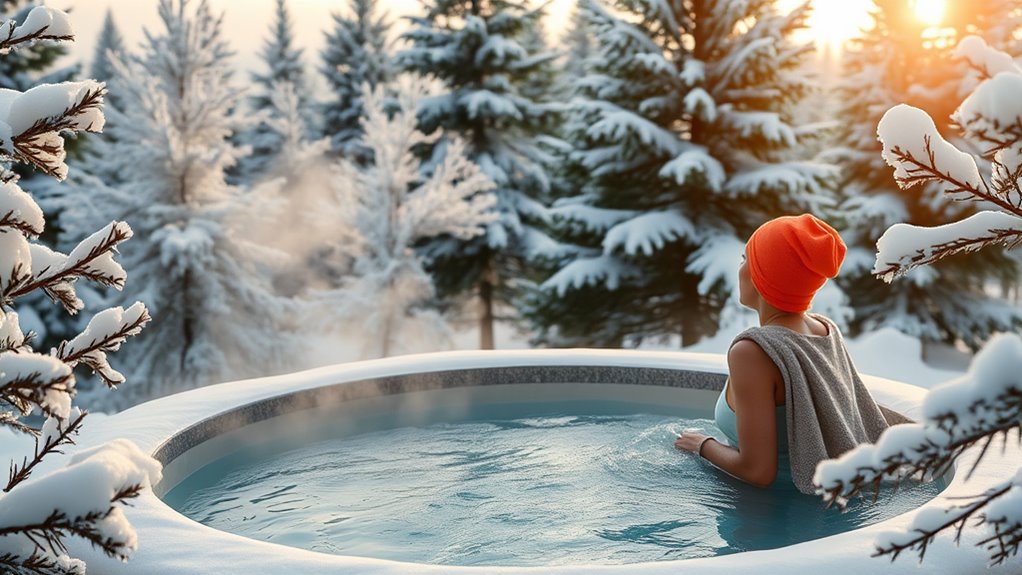
Safety precautions are equally important when using your swim spa in winter. Always enter and exit carefully, as icy or wet surfaces around the spa can be slippery. Consider installing non-slip mats or textured steps to prevent falls. Before stepping into the water, check that the temperature is comfortable, ideally between 98°F and 104°F, but avoid exceeding this range to prevent overheating or dehydration. Remember, cold air can quickly sap your body heat once you leave the spa, so have a warm robe or towels ready nearby. If you’re planning to use the spa for an extended period, take breaks to rehydrate and cool down slightly, especially if you start feeling too warm or dizzy.
Another essential safety tip is to be cautious about the use of covers and insulation. A well-insulated cover retains heat, reducing energy costs and preventing the water from freezing. When removing or replacing the cover, do so carefully to avoid injury, as covers can be heavy. Keep the area around your swim spa clear of snow, ice, or clutter that could cause slips or falls. It’s also wise to limit use if you’re feeling unwell or if the weather conditions are particularly harsh, such as during a snowstorm or icy wind.
Frequently Asked Questions
How Often Should I Replace My Swim Spa’S Water During Winter?
You should replace your swim spa’s water every 3 to 4 months to maintain ideal water quality. During winter, regular filtration maintenance is essential to keep the water clear and safe. Check the water’s chemical balance weekly, and run the filtration system daily. If the water looks cloudy or develops an odor, it’s time for a full water change. Proper maintenance ensures a warm, clean, and enjoyable swim experience all winter long.
Can I Use a Floating Heater or Solar Cover for Extra Warmth?
Imagine turning a chilly winter day into a warm retreat—yes, you can with floating heaters and solar covers. Floating heaters provide targeted heat right where you need it, while solar covers trap heat and reduce heat loss. Using both together creates a cozy oasis, making your swim spa inviting despite the cold. Embrace these tools and transform your winter dip into a warm, relaxing escape.
What Safety Precautions Are Recommended for Winter Swim Spa Use?
When using your swim spa in winter, prioritize safety by wearing proper winter clothing and a safety mask if needed. Always check water temperature to prevent hypothermia, and avoid prolonged exposure in cold conditions. Keep the area well-lit and clear of ice to prevent slips. Make sure your spa’s cover and heaters are functioning properly, and never swim alone. These precautions help you enjoy your spa safely during chilly months.
How Does Cold Weather Affect My Swim Spa’S Equipment Longevity?
Think of your swim spa as a brave explorer facing winter’s icy grip. Cold weather can put extra strain on your equipment, causing parts to wear faster if not properly maintained. Regular equipment maintenance becomes your shield against winter weather’s harsh effects, ensuring your spa stays resilient. By winterizing your system and checking for leaks or corrosion, you protect your investment and extend your swim spa’s lifespan through the cold months.
Are There Specific Clothing Recommendations for Winter Swim Spa Sessions?
When you hit your swim spa in winter, wearing thermal clothing helps you stay warm without overheating. Layering with insulating accessories like hats, gloves, and waterproof boots keeps your extremities cozy, especially if you step out of the water. Opt for moisture-wicking fabrics to stay dry and comfortable. These clothing tips make your winter swim spa experience more enjoyable, ensuring you stay warm and protected from the cold environment.
Conclusion
As you embrace winter dips, remember that staying warm isn’t just about the right gear or heater settings—sometimes, a cozy towel or a warm drink nearby makes all the difference. You might find that a sudden snowfall or a chilly breeze adds to the thrill of your swim, reminding you how fortunate you are to enjoy your swim spa year-round. So, keep these tips in mind, and let each winter swim surprise you with its invigorating charm.