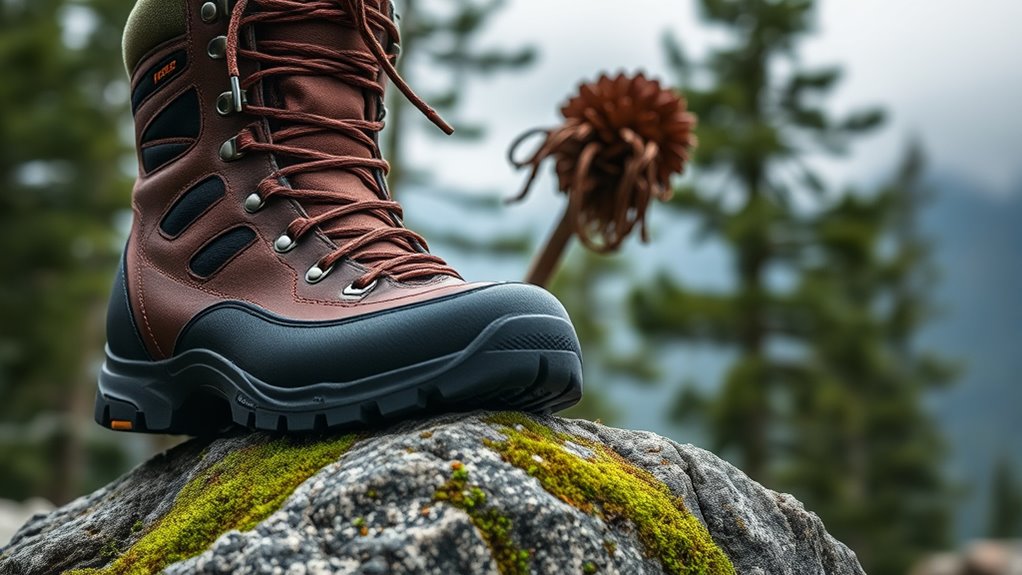

For most hikers seeking premium hiking boots, I’d start with the Salomon Quest 4 GTX as the best overall choice for demanding trails where support and waterproof protection matter. The Salewa Mountain Trainer Mid GTX is a standout for technical terrain, while the La Sportiva Makalu suits hikers who need a more rugged, mountaineering-oriented boot. The main tradeoffs are weight, stiffness, weather protection, and how much break-in a boot may require. A lighter boot can feel easier on long walking days, while a sturdier build may pay off with a heavy pack or rough ground. Read on for how all 12 options compare and which type of hiker each suits best.

Get pool and patio gear delivered free with Prime
- Fast, free delivery on millions of items
- Prime Video, Amazon Music and more included
- Member-only deals all year
Complete the kit


Key Takeaways
- The Salomon Quest 4 GTX leads as the most balanced pick for hikers who want trail support and waterproof construction without moving into a specialized mountaineering boot.
- The Salewa Mountain Trainer Mid GTX and La Sportiva mountaineering models serve more technical needs; their rugged designs make the most sense when terrain, pack weight, or alpine use calls for added structure.
- The Moab 3 Mid lineup favors approachable everyday hiking, while the Kenetrek Mountain Extreme 400 adds insulation for cold-weather trips rather than warm-season versatility.
- Waterproofing appears across several options, but it does not make a boot suitable for every climate; membrane protection can be less appealing when heat and moisture management are priorities.
- Similar names do not mean identical buying decisions: the two listed Merrell Moab 3 Mid Waterproof entries are the same model, so compare fit and availability carefully rather than treating them as distinct designs.
| Merrell Men’s Moab 3 Mid Hiking Boot |  | Best Overall | Upper: Pigskin leather and mesh | Lining: Recycled mesh | Shaft: Mid | VIEW ON AMAZON | See Our Full Breakdown |
| Kenetrek Men’s Hardscrabble Hiker Hiking Boots |  | Best for Rugged, Wet-Trail Durability | Material: 100% leather | Lining: Synthetic | Shaft height: 7 inches | VIEW ON AMAZON | See Our Full Breakdown |
| Merrell Men’s Moab 3 Mid Waterproof Hiking Boots |  | Best for Wet-Weather Day Hikes | Upper: Pigskin leather and mesh | Shaft height: Mid | Waterproofing: Waterproof membrane | VIEW ON AMAZON | See Our Full Breakdown |
| Salewa Mountain Trainer Mid GTX Men’s Hiking Boots |  | Best for Technical Alpine Terrain | Upper: 1.6 mm suede leather and abrasion-resistant fabric | Lining: GORE-TEX Performance Comfort | Sole: Vibram Wrapping Thread Combi rubber | VIEW ON AMAZON | See Our Full Breakdown |
| Salomon Quest 4 GTX® |  | Best for Supported Backpacking Treks | Sole material: Rubber | Shaft height: Ankle | Shaft circumference: 10.5 inches | VIEW ON AMAZON | See Our Full Breakdown |
| Timberland Men’s White Ledge Mid Waterproof Hiking Boots | 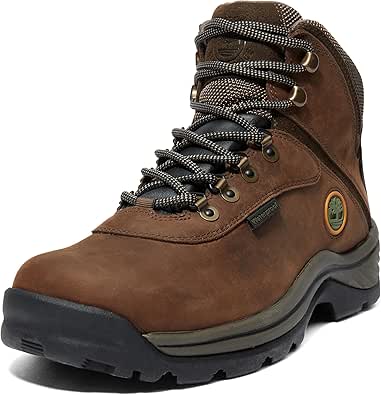 | Best for Everyday Waterproof Hiking | Upper: Waterproof premium Timberland leather | Construction: Seam-sealed | Lining: ReBOTL fabric | VIEW ON AMAZON | See Our Full Breakdown |
| Danner Mountain 600 Men’s Hiking Boots |  | Best for Wet-Trail Grip | Upper: Waterproof suede and full-grain leather | Waterproof barrier: Danner Dry | Outsole: Vibram Fuga | VIEW ON AMAZON | See Our Full Breakdown |
| La Sportiva Karakorum Mountaineering and Hiking Boots |  | Best for Heavy Hiking and Mountaineering | Weight: 30.97 oz (878 g) | Upper: 2.8 mm Idro-Perwanger roughout leather with Vibram rubber rand | Cuff: Cordura | VIEW ON AMAZON | See Our Full Breakdown |
| Danner 453 5.5″ Waterproof Hiking Boots for Men |  | Best for Abrasion-Prone Trails | Upper material: Nubuck leather | Lining: Gore-Tex | Outsole: TFX Traction Outsole | VIEW ON AMAZON | See Our Full Breakdown |
| Kenetrek Men’s Mountain Extreme 400 Insulated Hiking Boots |  | Best for Cold-Weather Loads | Fabric: 100% leather | Sole material: Rubber | Shaft height: 10 inches | VIEW ON AMAZON | See Our Full Breakdown |
| La Sportiva Makalu Mountaineering and Hiking Boots |  | Best for Crampon-Ready Alpine Use | Leather: 3.0 mm Idro-Perwanger roughout leather | Shank: Full steel; accepts automatic crampons | Toe protection: Vibram rubber rand | VIEW ON AMAZON | See Our Full Breakdown |
| Merrell Men’s Moab 3 Mid Waterproof Hiking Boots |  | Best for Cushioned Waterproof Day Hiking | Shaft height: Mid | Waterproof: Yes; waterproof membrane | Upper material: Pigskin leather and mesh | VIEW ON AMAZON | See Our Full Breakdown |
| premium hiking boot | Shaft height | Outsole | Upper | Lining |
|---|---|---|---|---|
| Merrell Men’s Moab 3 Mid Hikin | — | Vibram TC5+ rubber | Pigskin leather and mesh | Recycled mesh |
| Kenetrek Men’s Hardscrabble Hi | 7 inches | — | — | Synthetic |
| Merrell Men’s Moab 3 Mid Water | Mid | Vibram TC5+ rubber | Pigskin leather and mesh | — |
| Salewa Mountain Trainer Mid GT | Ankle-high | — | 1.6 mm suede leather and abrasion-resistant fabric | GORE-TEX Performance Comfort |
| Salomon Quest 4 GTX® | Ankle | — | — | — |
| Timberland Men’s White Ledge M | Ankle | Solid rubber with multidirectional lugs | Waterproof premium Timberland leather | ReBOTL fabric |
| Danner Mountain 600 Men’s Hiki | Ankle | Vibram Fuga | Waterproof suede and full-grain leather | — |
| La Sportiva Karakorum Mountain | — | Vibram Couloir | 2.8 mm Idro-Perwanger roughout leather with Vibram rubber rand | Dry-Best |
| Danner 453 5.5" Waterproof Hik | — | TFX Traction Outsole | — | Gore-Tex |
| Kenetrek Men’s Mountain Extrem | 10 inches | — | — | — |
| La Sportiva Makalu Mountaineer | — | — | — | — |
| Merrell Men’s Moab 3 Mid Water | Mid | Vibram TC5+ rubber | — | — |
More Details on Our Top Picks
Merrell Men’s Moab 3 Mid Hiking Boot
I’d put the Merrell Moab 3 Mid first for hikers who want a capable, versatile boot without stepping up to the more specialized construction of the Salewa Mountain Trainer Mid GTX. Its Vibram TC5+ outsole, protective toe cap, and molded nylon arch shank provide grip and support for varied day hikes, while the cushioned EVA midsole and heel Air Cushion focus on comfort over long stretches on foot. The pigskin leather-and-mesh upper gives it a sturdier feel than a lightweight hiking shoe, but the tradeoff is extra weight and a break-in period. This version does not list a waterproof membrane, unlike the Moab 3 Mid Waterproof, so I’d choose that sibling for persistently wet trails. The removable insole is useful for hikers who want to adjust the fit or substitute an orthotic.
Pros:- Vibram TC5+ outsole provides dependable traction on varied trails.
- Cushioned EVA midsole and heel Air Cushion support comfort over long walks.
- Molded nylon arch shank and protective toe cap add support and protection.
- Removable contoured insole allows fit customization.
Cons:- No waterproof membrane is listed, limiting its appeal for consistently wet conditions.
- Heavier than lightweight hiking shoes.
- May need a break-in period before it feels comfortable on longer hikes.
Best for: Day hikers seeking a supportive, grippy mid-height boot for mixed trails and who do not need a waterproof membrane.
Not ideal for: Hikers regularly crossing wet terrain, or anyone prioritizing the lightest possible footwear; the waterproof Moab or a lighter shoe is a better match.
- Upper:Pigskin leather and mesh
- Lining:Recycled mesh
- Shaft:Mid
- Outsole:Vibram TC5+ rubber
- Midsole:Lightweight EVA foam
- Support:Molded nylon arch shank
- Insole:Removable, contoured, with reinforced heel cushioning
- Additional features:Protective toe cap, bellows tongue, Merrell Air Cushion
Our verdict“Choose the Moab 3 Mid for versatile trail support and traction, but pick the waterproof Moab version if wet-weather protection is a priority.”
Kenetrek Men’s Hardscrabble Hiker Hiking Boots
The Kenetrek Hardscrabble Hiker is the durability-first choice here: its full-grain leather build and waterproof construction suit long days on rough trails better than the lighter, more flexible Salewa Mountain Trainer Mid GTX. The 7-inch shaft offers more coverage than the ankle-high Salewa, while the supportive midsole and rubber outsole are aimed at stability when the route gets demanding. At 3.5 pounds, though, this is not the pair I’d choose to keep pack weight or foot fatigue to a minimum. Its leather construction also makes it a more substantial commitment than the Merrell Moab 3 Mid, which is the easier fit for general day hiking. I’d reserve the Hardscrabble for hikers who value protective, waterproof leather over low weight, easygoing versatility, or a broad choice of colors.
Pros:- Full-grain leather construction is suited to demanding trail use.
- Waterproof design helps keep feet dry in wet conditions.
- Seven-inch shaft offers more coverage than ankle-high options such as the Salewa Mountain Trainer Mid GTX.
- Supportive midsole and rubber outsole are geared toward stability and traction.
Cons:- Listed weight of 3.5 pounds makes it a heavier choice for long-distance walking.
- Its substantial leather construction may feel excessive for casual hikes.
- Limited color options reduce choice.
Best for: Backpackers and rugged-trail hikers who need waterproof leather construction, added shaft coverage, and stable support.
Not ideal for: Casual day hikers, weight-conscious trekkers, or buyers seeking a lighter, more flexible boot for frequent everyday use.
- Material:100% leather
- Lining:Synthetic
- Shaft height:7 inches
- Weight:3.5 pounds
- Water resistance:Waterproof
- Sole:Rubber
- Closure:Lace-up
- Toe style:Round toe
Our verdict“Pick the Hardscrabble when waterproof leather and rugged-trail support matter more than keeping your footwear light.”
Merrell Men’s Moab 3 Mid Waterproof Hiking Boots
I’d choose the Moab 3 Mid Waterproof over the standard Moab 3 Mid when rain, damp brush, or wet trail conditions make a membrane worth the tradeoff. Both share a Vibram TC5+ outsole, cushioned EVA midsole, removable contoured insole, and molded nylon arch shank, so the waterproof version keeps the familiar support-focused setup while adding a waterproof membrane. That added protection makes it less appealing for hikers who prioritize ventilation or the lowest possible weight; the standard Moab avoids the membrane, while the Salewa Mountain Trainer Mid GTX offers a more technical alpine-oriented design. Recycled laces, webbing, and mesh lining add material-conscious details, but the boot can still need breaking in. For general wet-weather hiking, it is a more practical pick than the specialized Salewa, though it is not the choice I’d make for maximum lightness.
Pros:- Waterproof membrane adds protection for wet trail conditions.
- Vibram TC5+ outsole supports traction across varied surfaces.
- Cushioned EVA midsole, heel Air Cushion, and nylon arch shank provide supportive comfort.
- Recycled laces, webbing, and mesh lining use recycled materials.
Cons:- May feel heavier than non-waterproof hiking boots.
- Can require a break-in period.
- The waterproof build may be more than dry-weather hikers need.
Best for: Day hikers who want mid-height support and waterproof protection for rainy trails, damp vegetation, and changeable weather.
Not ideal for: Hikers in consistently hot, dry conditions or those who prefer the lighter, potentially less insulated feel of a non-waterproof boot.
- Upper:Pigskin leather and mesh
- Shaft height:Mid
- Waterproofing:Waterproof membrane
- Outsole:Vibram TC5+ rubber
- Midsole:Lightweight EVA foam
- Insole:Removable, contoured, with reinforced heel cushioning
- Support:Molded nylon arch shank
- Additional features:Bellows tongue and Air Cushion in heel
Our verdict“Choose this Moab when you want the standard model’s supportive trail setup with added waterproof protection.”
Salewa Mountain Trainer Mid GTX Men’s Hiking Boots
For steep, technical routes, the Salewa Mountain Trainer Mid GTX makes more sense to me than the general-purpose Merrell Moab 3 Mid. Its GORE-TEX Performance Comfort lining adds waterproof, breathable coverage, while the Vibram wrapping-thread outsole and dual-density Bilight midsole are built around mixed terrain and alpine trekking. The Flex Collar and 3F System are intended to support movement and fit on ascents and descents, a more specialized focus than the Merrell’s comfort-oriented day-hiking setup. At 23.6 ounces, the listed weight is relatively light, but that does not make this a casual all-purpose boot: its technical design and leather upper call for a more specific use case and more care than a straightforward mesh-and-leather option. I’d choose the Merrell for ordinary trails and this Salewa for demanding alpine routes.
Pros:- GORE-TEX Performance Comfort lining provides waterproof, breathable protection.
- Vibram outsole and dual-density Bilight midsole suit mixed and technical terrain.
- Flex Collar and 3F System are designed to support movement and fit on ascents and descents.
- Interchangeable footbeds allow fit adjustment.
Cons:- Technical alpine design may be excessive for casual or easy-trail hiking.
- Leather upper needs more care than a primarily synthetic build.
- Its specialized use makes it less versatile for everyday walking than the Merrell Moab 3 Mid.
Best for: Experienced hikers and alpine trekkers tackling steep, technical routes who want waterproof construction and structured support.
Not ideal for: Casual walkers or day hikers mostly on easy trails; the technical design and leather upper are unnecessary for that use.
- Upper:1.6 mm suede leather and abrasion-resistant fabric
- Lining:GORE-TEX Performance Comfort
- Sole:Vibram Wrapping Thread Combi rubber
- Midsole:Dual-density Bilight Technology
- Shaft height:Ankle-high
- Weight:23.6 oz (670 g)
- Intended uses:Mountaineering, alpine climbing, alpine trekking, and glacier travel
- Fit features:Flex Collar, 3F System, and interchangeable footbeds
Our verdict“Choose the Salewa for demanding alpine trekking and technical terrain, not as a general-purpose everyday hiking boot.”
Salomon Quest 4 GTX®
The Salomon Quest 4 GTX is the backpacking-oriented choice in this group, with a stated focus on cushioning, stability, and reducing fatigue over long treks. That makes it a better fit for extended walking than the more technical, alpine-specific Salewa Mountain Trainer Mid GTX if your main goal is supported comfort on a backpacking route. The listed specifications are limited, however: they identify a rubber sole, ankle shaft, and 10.5-inch shaft circumference, but do not detail its GTX lining construction, weight, or other support components. Compared with the Merrell Moab 3 Mid, the Quest is positioned more squarely around long-distance backpacking, yet there is less product detail here to compare exact materials or construction. I’d shortlist it for cushioned trekking support, while buyers prioritizing documented rugged build details may prefer the Kenetrek Hardscrabble.
Pros:- Cushioned design is intended to reduce fatigue on long treks.
- Support and stability are geared toward backpacking.
- Rubber sole provides a durable outsole material.
- Ankle-height shaft suits buyers seeking more coverage than a low-cut shoe.
Cons:- The supplied specifications do not detail the GTX lining construction or waterproof performance.
- Limited construction information makes direct comparison with the Merrell and Kenetrek harder.
- The product description notes potentially lower durability on rugged terrain.
Best for: Backpackers seeking a cushioned, supportive boot for long treks and extended days on foot.
Not ideal for: Buyers who need detailed, listed construction specifications before choosing, or hikers focused on rugged-terrain durability over cushioning.
- Sole material:Rubber
- Shaft height:Ankle
- Shaft circumference:10.5 inches
- Intended use:Backpacking and long treks
- Comfort focus:Lightweight and cushioned
- Support:Designed for support and stability
Our verdict“Consider the Quest 4 GTX for cushioned backpacking support, but choose a better-documented, rugged-focused boot if durability details are your priority.”
Timberland Men’s White Ledge Mid Waterproof Hiking Boots
The White Ledge Mid suits hikers who want straightforward waterproof protection and a familiar ankle-height design rather than a specialized boot for technical terrain. Its seam-sealed leather upper and fully gusseted tongue help keep water and trail debris out, while the EVA footbed and midsole provide cushioning without a rigid mountaineering feel. Compared with the Danner Mountain 600, this Timberland emphasizes simple, practical construction over a more elaborate footbed and named Vibram outsole. The tradeoff is that the supplied specs identify multidirectional lugs but do not establish the same wet-and-dry grip claims as the Danner’s Vibram Fuga. I’d shortlist it for established trails and wet-weather day hikes, but not for buyers seeking substantial cold-weather insulation or crampon-ready support.
Pros:- Seam-sealed waterproof leather upper and gusseted tongue help block water and debris.
- EVA footbed and midsole provide cushioning for everyday trail use.
- Multidirectional rubber lugs offer traction across varied trail surfaces.
- Rustproof speed-lace hardware and top hooks make lacing adjustments practical.
Cons:- No insulation is specified for cold-weather hiking.
- The listed outsole details do not establish the specialized grip features named for the Danner Mountain 600.
- Its ankle-height build is less suited to buyers seeking the extended coverage and support of a tall boot.
Best for: Day hikers who want a leather, seam-sealed boot for wet trails and prefer a conventional ankle-height design.
Not ideal for: Mountaineers and winter hikers who need crampon compatibility, heavy insulation, or the specialized support of the La Sportiva Karakorum or Kenetrek Mountain Extreme 400.
- Upper:Waterproof premium Timberland leather
- Construction:Seam-sealed
- Lining:ReBOTL fabric
- Footbed and midsole:EVA
- Outsole:Solid rubber with multidirectional lugs
- Shaft height:Ankle
- Shaft circumference:9.75 inches
- Lacing:Rustproof speed lace hardware with top lace hooks
Our verdict“Choose the White Ledge Mid for practical waterproof day hiking, but look to the Danner Mountain 600 for a more specifically documented grip package.”
Danner Mountain 600 Men’s Hiking Boots
The Danner Mountain 600 earns its place for hikers who put traction and cushioned support ahead of the lightest possible build. Its Vibram Fuga outsole is specified for grip on wet and dry surfaces, a clearer traction proposition than the multidirectional-lug outsole listed for the Timberland White Ledge Mid. A waterproof Danner Dry barrier works with leather-and-suede uppers, while the triple-density Ortholite footbed and rubberized EVA midsole add cushioning underfoot. That package makes more sense for long days on varied trails than the simpler White Ledge, though it may feel heavier than a lightweight hiking shoe. The durable materials may also start out stiff, so buyers wanting a forgiving feel straight from the box may prefer to compare the fit carefully. It’s a comfort-and-grip pick, not a cold-weather insulated boot like the Kenetrek Mountain Extreme 400.
Pros:- Vibram Fuga outsole is specified for grip on wet and dry surfaces.
- Waterproof Danner Dry barrier helps keep feet dry.
- Triple-density Ortholite footbed and rubberized EVA midsole provide cushioning and support.
- Two lace options allow some adjustment to the lacing setup.
Cons:- May feel heavier than lightweight hiking shoes.
- Durable leather and suede construction may feel stiff during initial wear.
- No insulation is listed for cold-weather use.
Best for: Hikers covering wet, mixed-surface trails who want a waterproof barrier, specified all-surface grip, and a cushioned footbed.
Not ideal for: Minimalist hikers prioritizing low weight or buyers needing the 400-gram insulation and tall shaft of the Kenetrek Mountain Extreme 400.
- Upper:Waterproof suede and full-grain leather
- Waterproof barrier:Danner Dry
- Outsole:Vibram Fuga
- Shaft height:Ankle
- Insole:Triple-density Ortholite polyurethane
- Midsole:Rubberized EVA
- Lace options:Two sets included
Our verdict“Pick the Mountain 600 for waterproof comfort and explicitly specified wet-and-dry traction, rather than for minimal weight or winter insulation.”
La Sportiva Karakorum Mountaineering and Hiking Boots
The La Sportiva Karakorum is the most specialized choice here: it is built for heavy hiking, backpacking, outdoor work, and light-duty mountaineering rather than casual trail walks. Its 2.8 mm leather upper, rubber rand, anti-torsion plate, and aggressive Vibram Couloir outsole point to a supportive, protective boot for rough terrain. Unlike the ankle-height Danner Mountain 600, this model’s construction is aimed at demanding use and can work with some non-automatic and semi-automatic crampons. That compatibility needs to be checked for the specific boot-and-crampon pairing, and its 30.97-ounce listed weight makes it a substantial choice. The water-repellent leather is not described as a waterproof membrane, so the Danner Mountain 600 or Gore-Tex-lined Danner 453 is a more direct match for buyers who prioritize specified waterproofing.
Pros:- Thick roughout leather and a Vibram rubber rand offer a protective upper build.
- Anti-torsion plate supports the boot on uneven terrain.
- Aggressive Vibram Couloir outsole is designed for varied terrain.
- Resole compatible through a La Sportiva approved cobbler.
Cons:- At 30.97 ounces, it is a substantial boot for routine day hiking.
- Water-repellent leather is not listed as a waterproof membrane.
- Crampon compatibility must be checked for each boot-and-crampon pairing.
Best for: Experienced hikers and outdoor workers who need a supportive leather boot for heavy loads, rough terrain, and occasional light-duty mountaineering.
Not ideal for: Day hikers seeking a lighter boot with a specified waterproof membrane, or anyone relying on crampons without checking the exact boot-and-crampon fit.
- Weight:30.97 oz (878 g)
- Upper:2.8 mm Idro-Perwanger roughout leather with Vibram rubber rand
- Cuff:Cordura
- Lining:Dry-Best
- Insole:8 mm high-density nylon with anti-torsion plate
- Midsole:SBR Aircushion
- Outsole:Vibram Couloir
- Crampon compatibility:Some non-automatic and semi-automatic crampons; inspect boot-crampon fit
- Resole compatibility:Yes, through a La Sportiva approved cobbler
Our verdict“Choose the Karakorum for demanding, supportive use and potential crampon pairing, not for lightweight hiking or membrane-backed waterproofing.”
Danner 453 5.5″ Waterproof Hiking Boots for Men
The Danner 453 prioritizes weather protection and durability in a taller-than-ankle 5.5-inch build. Its Gore-Tex liner is specified as waterproof and breathable, while a nubuck leather upper and abrasion-resistant toe cap suit routes where the front of the boot may take repeated knocks. Compared with the ankle-height Danner Mountain 600, the 453 offers a stated height and added toe protection; the Mountain 600, by contrast, names its Vibram Fuga outsole and cushioned triple-density footbed. The 453’s TFX outsole is described as slip-resistant, but the provided details do not specify a particular compound or terrain advantage. A break-in period may be needed, and the build can feel heavy beside lighter hiking footwear. I’d favor it for rugged, damp outings over buyers who want an especially nimble boot.
Pros:- Gore-Tex liner provides specified waterproof and breathable protection.
- Nubuck leather upper is built for durability.
- Abrasion-resistant toe cap adds protection where the boot meets trail obstacles.
- TFX outsole is specified as slip-resistant.
Cons:- May require a break-in period.
- Can feel heavier than lightweight hiking shoes.
- The supplied specs do not detail the TFX outsole’s performance across specific terrain types.
Best for: Hikers and outdoor workers on damp, abrasion-prone routes who value a Gore-Tex liner and reinforced toe.
Not ideal for: Fast-and-light hikers or buyers who want the specified Vibram Fuga grip and triple-density footbed of the Danner Mountain 600.
- Upper material:Nubuck leather
- Lining:Gore-Tex
- Outsole:TFX Traction Outsole
- Height:5.5 inches
- Waterproof:Yes
- Traction feature:Slip-resistant
- Toe protection:Abrasion-resistant toe cap
Our verdict“Choose the Danner 453 for waterproof coverage and toe protection on rough, damp routes, but compare the Mountain 600 if cushioning and named outsole details matter more.”
Kenetrek Men’s Mountain Extreme 400 Insulated Hiking Boots
The Kenetrek Mountain Extreme 400 is the lineup’s cold-weather specialist, pairing full-grain leather with 400-gram Thinsulate insulation, a 10-inch shaft, and supportive 7 mm nylon midsoles. That combination is aimed at prolonged outings in cold conditions and carrying heavier loads, not warm-weather day hiking. Compared with the La Sportiva Karakorum, which is built around a torsion plate and crampon compatibility, the Kenetrek emphasizes insulation and tall coverage; the Karakorum is the more clearly specified mountaineering option. The rugged construction may feel heavy, and insulation can be excessive for milder seasons or high-output hikes. The supplied details describe waterproof, breathable insulation but do not name a membrane, so buyers seeking a specifically identified waterproof liner may prefer the Gore-Tex-lined Danner 453.
Pros:- 400-gram Thinsulate insulation is suited to cold-weather use.
- Full-grain leather construction is built for durability.
- 10-inch shaft provides more coverage than the ankle-height Danner Mountain 600.
- 7 mm nylon midsoles and supportive footbeds are intended to support demanding terrain and loads.
Cons:- Rugged construction may feel heavy for routine hiking.
- Insulation may be too warm for mild weather or high-output hikes.
- The supplied specs do not name a waterproof membrane, unlike the Gore-Tex-lined Danner 453.
Best for: Cold-weather hikers and hunters carrying substantial loads who need insulation, tall coverage, and supportive midsoles.
Not ideal for: Warm-weather hikers, fast-moving day hikers, or mountaineers who need the Karakorum’s stated crampon compatibility.
- Fabric:100% leather
- Sole material:Rubber
- Shaft height:10 inches
- Insulation:400-gram Thinsulate
- Support:7 mm nylon midsoles and supportive footbeds
- Waterproofing:Waterproof, breathable insulation
- Origin:Imported
Our verdict“Pick the Mountain Extreme 400 for cold outings with heavy loads, but choose a less insulated boot for warm seasons or faster hiking.”
La Sportiva Makalu Mountaineering and Hiking Boots
The La Sportiva Makalu is the most mountaineering-focused option here: its full steel shank accepts automatic crampons and supports kicking steps in snow, while the aggressive sole helps on rugged approaches. Its 3.0 mm Idro-Perwanger leather and Vibram toe rand favor protection and long-term toughness over the lighter, more flexible feel of the Merrell Moab 3 Mid Waterproof. The resole-compatible construction also makes it a stronger choice for buyers who want to extend a boot’s working life, though resoling requires a La Sportiva-approved cobbler. The tradeoff is substantial weight at 34.57 oz / 980 g; for ordinary day hikes or frequent fast-paced walking, the Moab is the more practical fit. I’d choose the Makalu for snow travel and demanding mountain terrain, not as an everyday hiking boot.
Pros:- Full steel shank supports automatic crampons and step-kicking in snow
- Thick Idro-Perwanger leather and Vibram rubber rand protect against rough terrain
- Aggressively lugged sole provides traction on rugged approaches
- Resole-compatible construction can extend the boot’s working life
Cons:- At 34.57 oz / 980 g, it is heavy for routine hiking
- Resoling must be handled by a La Sportiva-approved cobbler
- Its stiff, mountaineering-oriented construction is less suited to casual or fast-paced trails
Best for: Mountaineers and experienced hikers who need a durable leather boot with automatic-crampon compatibility and support for snow travel.
Not ideal for: Day hikers and fast-moving trekkers who prioritize low weight, flexible comfort, or a simple routine resole option.
- Leather:3.0 mm Idro-Perwanger roughout leather
- Shank:Full steel; accepts automatic crampons
- Toe protection:Vibram rubber rand
- Sole material:Rubber
- Inner material:Leather
- Weight:34.57 oz / 980 g
- Lacing hardware:EZ rollerball
- Resole compatible:Yes, through a La Sportiva-approved cobbler
Our verdict“Choose the Makalu for rugged alpine routes and crampon use; skip it if your hikes rarely demand that level of support.”
Merrell Men’s Moab 3 Mid Waterproof Hiking Boots
The Merrell Moab 3 Mid Waterproof is the approachable all-day choice in this group, pairing a waterproof membrane with an EVA midsole, heel air cushion, and removable contoured insole. That cushioning makes it a better match than the stiff La Sportiva Makalu for everyday trails and long walks where crampon support is unnecessary. A Vibram TC5+ outsole and protective toe cap add useful grip and coverage, while the bellows tongue helps keep trail debris out. The pigskin leather-and-mesh upper trades the Makalu’s heavy-duty all-leather build for a more comfort-led construction, so it is not the pick for technical snow travel or automatic crampons. It may also feel heavier than a lightweight hiking shoe, and the listed break-in period means buyers seeking immediate out-of-the-box comfort may want to allow time before a long trip.
Pros:- Waterproof membrane helps keep feet dry in wet trail conditions
- EVA midsole, heel air cushion, and contoured insole support cushioned walking
- Vibram TC5+ outsole provides durable trail traction
- Bellows tongue and protective toe cap help limit debris entry and toe impacts
Cons:- Heavier than lightweight hiking shoes
- May require a break-in period before extended outings
- Does not offer the Makalu’s steel shank or automatic-crampon support
Best for: Day hikers and weekend backpackers who want mid-height support, waterproof protection, and cushioning for extended trail days.
Not ideal for: Mountaineers who need automatic-crampon compatibility, a steel shank, or a stiff boot for kicking steps in snow.
- Shaft height:Mid
- Waterproof:Yes; waterproof membrane
- Upper material:Pigskin leather and mesh
- Midsole:EVA foam
- Outsole:Vibram TC5+ rubber
- Insole:Removable contoured insole with reinforced heel cushioning
- Additional cushioning:Air Cushion in heel
- Laces:Recycled laces
- Toe and tongue protection:Protective toe cap and bellows tongue
Our verdict“Pick the Moab 3 Mid Waterproof for cushioned, wet-weather day hiking, but choose a mountaineering boot for snow travel or crampons.”

How We Picked
I ranked these boots by how well their design matches the demands of premium hiking: dependable support, useful protection, durable construction, and a fit-for-purpose balance of weight and stiffness. I also considered whether a boot appears suited to general trail use, rough or technical terrain, mountaineering, or cold-weather hiking. A premium label alone does not earn a high placement; a specialized boot ranks lower for broad use if its stiffness, insulation, or intended terrain limits its versatility.
The order favors boots that can serve a wider range of serious hiking needs without pushing buyers into unnecessary bulk or specialization. The Quest 4 GTX takes the lead for its broadly useful support-and-protection profile, while technical and mountaineering options rank well for narrower, demanding use cases. More accessible trail-oriented models remain useful picks, but they sit lower for buyers specifically seeking premium-level structure. The repeated Merrell Moab 3 Mid Waterproof listing is treated as a duplicate, not a separate design distinction.
| premium hiking boot | Lining | Outsole | Midsole |
|---|---|---|---|
| Merrell Men’s Moab 3 Mid Hikin | Recycled mesh | Vibram TC5+ rubber | Lightweight EVA foam |
| Kenetrek Men’s Hardscrabble Hi | Synthetic | — | — |
| Merrell Men’s Moab 3 Mid Water | — | Vibram TC5+ rubber | Lightweight EVA foam |
| Salewa Mountain Trainer Mid GT | GORE-TEX Performance Comfort | — | Dual-density Bilight Technology |
| Salomon Quest 4 GTX® | — | — | — |
| Timberland Men’s White Ledge M | ReBOTL fabric | Solid rubber with multidirectional lugs | — |
| Danner Mountain 600 Men’s Hiki | — | Vibram Fuga | Rubberized EVA |
| La Sportiva Karakorum Mountain | Dry-Best | Vibram Couloir | SBR Aircushion |
| Danner 453 5.5" Waterproof Hik | Gore-Tex | TFX Traction Outsole | — |
| Kenetrek Men’s Mountain Extrem | — | — | — |
| La Sportiva Makalu Mountaineer | — | — | — |
| Merrell Men’s Moab 3 Mid Water | — | Vibram TC5+ rubber | EVA foam |
Factors to Consider When Choosing Premium Hiking Boots
Choosing premium hiking boots is less about collecting the most protective features and more about matching the boot to your terrain, load, climate, and foot shape. I’d settle those questions before comparing brand names, since a boot built for cold alpine travel can be an awkward choice for warm day hikes.
Match Support to Pack Weight and Terrain
Boot stiffness and ankle structure matter most when your route is uneven or your pack is heavy, not simply because a boot is labeled premium. A supportive design can help your footing feel more controlled over loose rock, but it may also feel restrictive on smooth trails. For day hikes with a light load, a less rigid boot may be easier to walk in. Avoid choosing the stiffest option by default; excess structure can add fatigue if your routes do not call for it. Think about the roughest terrain you regularly hike, rather than buying solely for a rare extreme trip. If your plans include technical mountain travel, check that the boot’s intended use matches your equipment and route requirements.
Treat Waterproofing as a Climate Choice
Waterproof membranes can help in persistent rain, wet brush, and muddy conditions, but they do not make a boot equally comfortable in every climate. Warm weather and sustained high-output hiking can leave feet hot, even when the outside stays dry. A common mistake is assuming waterproofing is automatically an upgrade for every trip. Consider how often you encounter wet conditions and whether your usual trails allow boots to dry between outings. Also remember that water can enter over the collar, so boot height and gaiter use affect protection. Choose a waterproof model for the conditions you actually face, not as a substitute for managing wet feet and socks.
Check Fit Under Real Hiking Conditions
Boot fit should account for swelling, downhill movement, and the socks you plan to wear, not just how the shoe feels while standing in a shop. A toe box that seems roomy on level ground may still let your foot slide forward on descents. Try boots later in the day when feet are more likely to be expanded, and test them on an incline if possible. Lace tension can improve heel hold, but it cannot fix a shape mismatch. Pay attention to pressure across the instep and at the sides of the forefoot, where a long walk can turn a minor fit issue into a blister. When comparing models, prioritize the one that holds your heel securely without squeezing your toes.
Account for Break-In, Weight, and Intended Use
More structured boots can need more time to feel natural, while lighter trail-oriented designs may feel comfortable sooner. That difference matters if you have a trip scheduled soon: buying a rugged boot just before a long hike leaves little time to identify pressure points. Break in new boots gradually with short walks and progressively longer outings. Do not assume that a stiff boot will become a perfect fit with use; persistent pinching or heel slip is a fit problem, not a break-in milestone. Weight also compounds over a full day, so added material should earn its place through support, protection, or warmth you genuinely need. Match the boot’s build to your regular hiking rather than your most ambitious imagined itinerary.
Choose Insulation Only for Cold-Weather Priorities
Insulated boots such as the Kenetrek Mountain Extreme 400 address a different problem from general hiking boots: keeping feet warm in cold conditions. That warmth can become uncomfortable during mild-weather hikes or steep climbs that generate substantial heat. Before choosing insulation, think about typical temperatures, time spent standing still, and whether your trips involve snow or cold camps. Thick socks are not a reliable substitute for a boot that fits properly, and adding them can make a close-fitting boot too tight. Cold-weather footwear also needs room for circulation, since a cramped fit can undermine warmth. If most of your hiking takes place in temperate conditions, a non-insulated model will usually be easier to use across seasons.
Look Beyond the Boot at Care and Repair
Premium boots are a longer-term purchase, so their upkeep should fit your habits as well as your budget. Dirt, salt, and prolonged damp can wear down materials; cleaning and drying boots properly helps preserve their condition. Check the care guidance for the specific materials, since aggressive heat can damage footwear. Before a major trip, inspect the sole, seams, laces, and waterproof lining rather than waiting for a failure on trail. A boot that is difficult to dry or maintain may be a poor match for frequent wet outings, even if its construction looks rugged. Think about how often you hike and how much maintenance you are willing to do before choosing a heavily built pair.
Frequently Asked Questions
Which of these boots makes the most sense for one pair covering varied hikes?
I’d begin with the Salomon Quest 4 GTX because this roundup places it ahead of more specialized mountaineering and cold-weather designs for broad hiking use. The right choice still depends on fit and the terrain you hike most often. If your routes are mainly easy day trails, the Merrell Moab 3 Mid options may feel less specialized than a stiffer boot. If you regularly carry a heavy pack over rough ground, the added structure of a more technical model may be worth prioritizing. Try your leading options with your usual hiking socks and check heel hold before deciding.
Should I choose a waterproof boot if I hike in warm weather?
Not automatically. Waterproof construction can be helpful in rain, wet vegetation, and muddy conditions, but it can feel warmer during hot, high-effort hikes. Think about whether your routes are regularly wet or whether dry conditions are more common. If heat management is your main concern, compare non-waterproof options rather than treating a membrane as a standard premium feature. No boot can prevent water from entering over the top, so gaiters and route conditions still matter. The best choice follows your local weather patterns and hiking pace.
Are mountaineering boots a good choice for ordinary hiking trails?
They can work on trails, but they may be more boot than a typical hiker needs. The La Sportiva Karakorum and Makalu are aimed at more rugged, mountaineering-oriented use than everyday walking. That added structure can be useful on demanding terrain, yet it may feel unnecessarily stiff on groomed paths or casual day hikes. Consider how often you face technical ground before accepting the weight and break-in demands of a specialized design. For mixed, less technical hiking, a broadly capable option such as the Quest 4 GTX may be easier to use regularly.
Is an insulated boot worth choosing if I only hike in winter occasionally?
The Kenetrek Mountain Extreme 400 is the purpose-specific option here, but insulation makes the most sense when cold conditions are a regular part of your hiking. For occasional winter trips, consider whether your existing footwear, socks, and route choices can meet your needs before buying a dedicated insulated boot. Insulation can feel too warm during mild weather or strenuous climbs, which narrows a boot’s year-round use. Fit is especially important because cramped toes can reduce comfort and warmth. Choose the insulated model when cold-weather performance is a recurring need, not just a rare possibility.
Why are two Merrell Moab 3 Mid Waterproof entries listed, and should I compare them as different boots?
The roundup includes the same Merrell Men’s Moab 3 Mid Waterproof Hiking Boots name twice, so I would not treat the entries as separate designs based on this information. Confirm the exact model details, size, and listed version when comparing listings, since a repeated product name alone does not establish a feature difference. The non-waterproof Merrell Men’s Moab 3 Mid Hiking Boot is a distinct option in this lineup and may suit a different climate preference. If you are choosing between the waterproof and non-waterproof versions, focus on how often you hike in wet conditions and how much breathability matters to you. Compare fit and construction details before treating any listing variation as a genuine upgrade.
Conclusion
For a single pair aimed at varied, demanding hikes, I’d choose the Salomon Quest 4 GTX as best overall. Hikers focused on more technical terrain should look closely at the Salewa Mountain Trainer Mid GTX, while the La Sportiva Makalu is the best premium specialist for mountaineering-oriented use. For a more accessible trail option, I’d point beginners toward the Merrell Moab 3 Mid, with the waterproof version making more sense for consistently wet routes. The Timberland White Ledge Mid Waterproof is the lineup’s value-minded choice for straightforward hiking, while the Kenetrek Mountain Extreme 400 is the specific pick for cold-weather needs. Start with fit, then choose the boot whose protection and structure match the trails you actually hike.