
A strong chlorine smell in your water usually signals elevated chloramine levels, which are used to disinfect water but can affect its taste, odor, and safety. Chloramines form when chlorine reacts with ammonia and are more stable than free chlorine, providing long-term disinfection. While they help keep water safe, high levels can cause unpleasant odors and potential health concerns. Understanding what chloramines are and how to manage them can help guarantee your water remains clean and tasty—learn more to protect your drinking water.
Key Takeaways
- A strong chlorine smell indicates high disinfectant levels, often due to elevated chloramine or residual chlorine in water.
- Persistent odors suggest chemical imbalance or excess disinfection byproducts, which can impact water safety.
- The smell may result from chloramines reacting with organic matter, indicating the need for treatment or filtration.
- Elevated chloramine levels can cause taste issues and potential health concerns if not properly managed.
- Monitoring and removing chloramines through proper filtration ensures safer, odor-free drinking water.

Pentair Pentek ChlorPlus 10 Carbon Water Filter, 10-Inch, Chloramine and Chlorine Reduction Carbon Block Replacement Cartridge, 10" x 2.5", 1 Micron
- Reduces Chloramine and Chlorine: Improves taste and odor for drinking and cooking
- Sediment Filtration: Removes particles down to 1 micron
- Bonded PAC Technology: Solid carbon block minimizes carbon fines
As an affiliate, we earn on qualifying purchases.
As an affiliate, we earn on qualifying purchases.
What Are Chloramines, and Why Are They Used in Water Treatment?
Chloramines are chemical compounds formed when chlorine reacts with ammonia in water. This process, known as chloramine formation, occurs during water treatment processes to disinfect drinking water. Unlike free chlorine, chloramines are more stable and last longer, providing continuous disinfection as water travels through pipes. Water treatment facilities prefer chloramines because they effectively reduce microbial growth while producing fewer undesirable byproducts, such as trihalomethanes. Using chloramines helps maintain water safety over extended periods without the need for frequent chlorination, which can cause taste and odor issues. By choosing chloramines, treatment plants ensure a consistent, long-lasting disinfectant that protects your water supply from bacteria and viruses, all while minimizing common chlorine-related problems. Additionally, innovative European cloud servers are increasingly being used to monitor and optimize water treatment processes, ensuring higher efficiency and environmental sustainability. These advanced monitoring systems help detect chloramine levels in real-time, ensuring water quality remains safe for consumers.
What Does a Strong Chlorine Smell Mean for Your Water Quality?
A strong chlorine smell in your water often signals a higher level of disinfectant, which can indicate the presence of potential contaminants. While it may be a sign of effective treatment, it also suggests you should be cautious about what’s lurking in your water. Understanding what this smell means helps you better assess your water quality and whether additional testing is needed. Recognizing the signs of chemical imbalance can help you maintain a safe and healthy swimming environment. Additionally, being aware of art care and living principles can support your overall water safety practices. Staying informed about water testing procedures ensures you can respond appropriately to any detected issues, and adopting curiosity-driven habits can encourage proactive water management and safety. Monitoring disinfection byproducts is also crucial, as they can form when chlorine reacts with organic matter in water, potentially impacting health.
Chlorine Odor Indicators
A strong chlorine smell in your water can be a clear sign that the chlorine levels are higher than they should be, which might affect its taste and safety. This odor results from chemical reactions between chlorine and organic matter or contaminants in the water. When chlorine reacts with impurities, it produces compounds that emit that characteristic smell. While some level of chlorine is necessary for water disinfection, an overpowering odor suggests excessive amounts. Water filtration systems can help reduce this smell by removing residual chlorine and its reaction byproducts, improving water quality and taste. Understanding chloramines can help you grasp why these compounds sometimes contribute to persistent odors. If you notice a strong chlorine smell, it’s a good idea to test your water and consider filtration options to ensure safety and better flavor.
Potential Water Contaminants
When you notice a strong chlorine smell in your water, it often indicates the presence of contaminants beyond just disinfectant residuals. These contaminants can include organic compounds, bacteria, or chemicals that threaten water quality. A strong odor suggests that your water may contain substances that require better water filtration or treatment. Contaminant detection becomes vital in identifying these pollutants early, helping you decide if further treatment is needed. Relying solely on smell isn’t enough; testing your water can reveal hidden risks and guarantee safety. Upgrading your filtration system or using specialized filters can effectively reduce harmful contaminants. Additionally, employing fabric decorating markers or other creative tools can help you identify and label different treatment stages or filter types for better maintenance. Taking these steps ensures your water remains clean, safe, and free from unseen threats associated with a strong chlorine smell.
How Do Chloramines Affect Water Taste, Odor, and Safety?
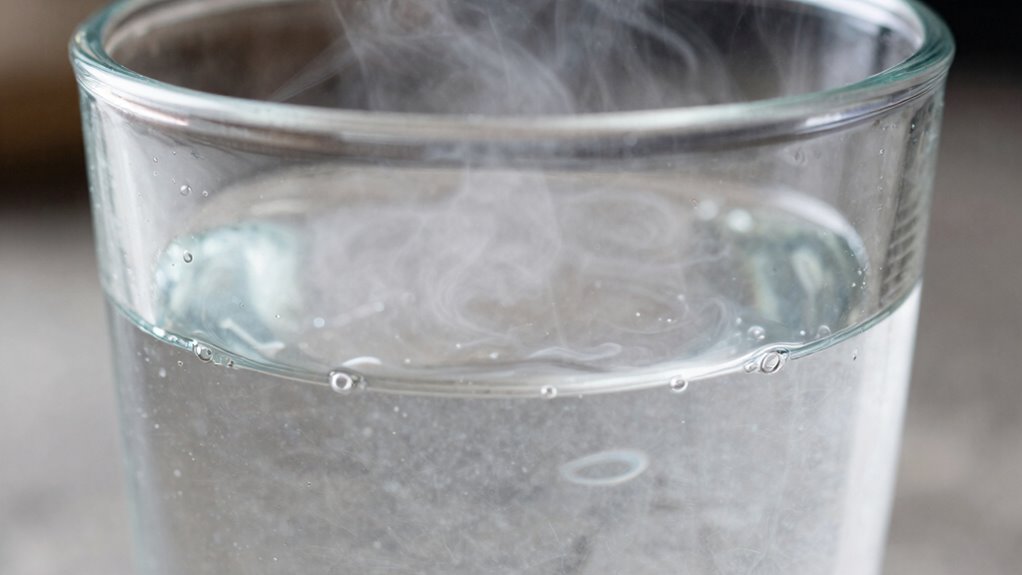
Chloramines can change the way your water tastes and smells, often resulting in a dull or chemical-like flavor. These compounds also pose health concerns if consumed in large amounts or over long periods. Understanding how chloramines impact water safety helps you make informed choices about your drinking water. Additionally, filtration systems can help reduce chloramine levels and improve water quality. Proper sizing and load‑planning tools are essential for ensuring effective water treatment and maintaining safe water standards. Awareness of water treatment methods can further assist in managing chloramine concentrations effectively.
Altered Water Flavor
Have you ever noticed a slight chemical or medicinal taste in your tap water? That altered flavor often results from chloramines reacting with your water’s pH balance and mineral content. Chloramines can change the water’s taste by imparting a faint, lingering chemical aftertaste, making it less invigorating. The pH level influences how chloramines interact with minerals, which can intensify or diminish the flavor. If your water has a high mineral content, the taste may become more pronounced, resulting in a metallic or earthy flavor. These changes don’t necessarily affect safety but can make drinking water less pleasant. Understanding how chloramines influence your water’s flavor helps you identify when adjustments or filtration might be necessary to restore its natural taste. Additionally, using air purifiers with appropriate filters can help reduce residual chemical odors in indoor environments. Recognizing the chemical interactions between chloramines and water components can guide effective treatment solutions. Proper water testing can also help determine if your water chemistry is contributing to undesirable tastes. Being aware of chloramine levels in your water can assist in choosing the right filtration method to improve flavor and odor.
Health and Safety Risks
Although chloramines are commonly used disinfectants, they can pose health and safety concerns if not properly managed. Exposure to chloramines can cause health implications, especially for sensitive populations like children or those with weakened immune systems. Drinking water with high chloramine levels may lead to skin or eye irritation and gastrointestinal issues. These compounds can also react with organic matter, forming disinfection byproducts that may pose additional risks. To minimize these risks, you should consider water filtration systems designed to remove chloramines effectively. Proper treatment helps ensure your water remains safe, reducing health concerns and improving taste and odor. Staying informed about your water quality and implementing appropriate filtration safeguards your health and enhances your water safety.
How Can You Tell If Your Water Has Too Much Chloramines?
Wondering if your water contains too many chloramines? The best way to tell is through proper water filtration and chemical monitoring. If you notice a persistent chemical or chlorine-like smell, it could indicate elevated chloramine levels. You might also experience a slight taste difference, especially if your water has a strong chemical odor. Testing kits are available for home use, allowing you to monitor chloramine concentrations yourself. Regular testing helps you stay aware of your water quality and whether your filtration system effectively reduces chloramines. Keep in mind, untreated chloramines can cause health issues, so early detection is key. By paying attention to these signs and monitoring your water, you can better ensure it’s safe and properly treated. Water quality monitoring can help you make informed decisions about your home’s water safety.
How Do You Test for Chloramines in Drinking Water?
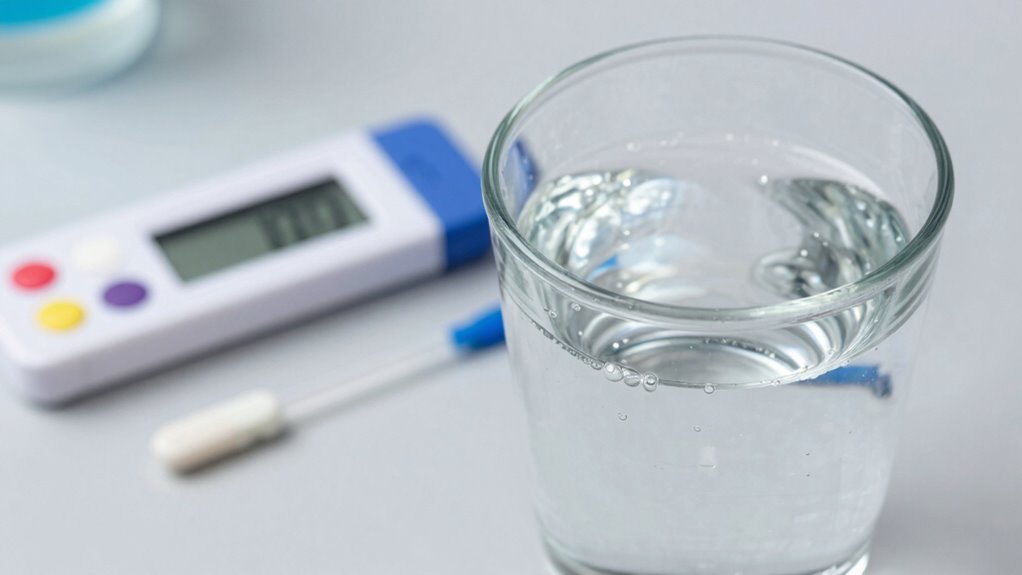
Testing for chloramines in your drinking water is straightforward with the right methods. You can use water testing kits or professional testing services to detect chloramine levels. Testing methods vary from simple test strips to more advanced chemical analysis. Test strips are affordable and easy to use; just dip them into your water and compare the color change to a chart. For more accuracy, lab-based testing can provide detailed results. Here’s a quick overview:
| Testing Method | Description |
|---|---|
| Water Testing Kits | Affordable, quick, suitable for home use |
| Chemical Test Strips | Easy, immediate visual results |
| Laboratory Testing | Precise, detailed analysis, professional service |
Choose the method that fits your needs for reliable chloramine detection. Understanding testing accuracy helps ensure you select the most effective method for your situation.
What Are the Best Ways to Remove Chloramines From Your Water?
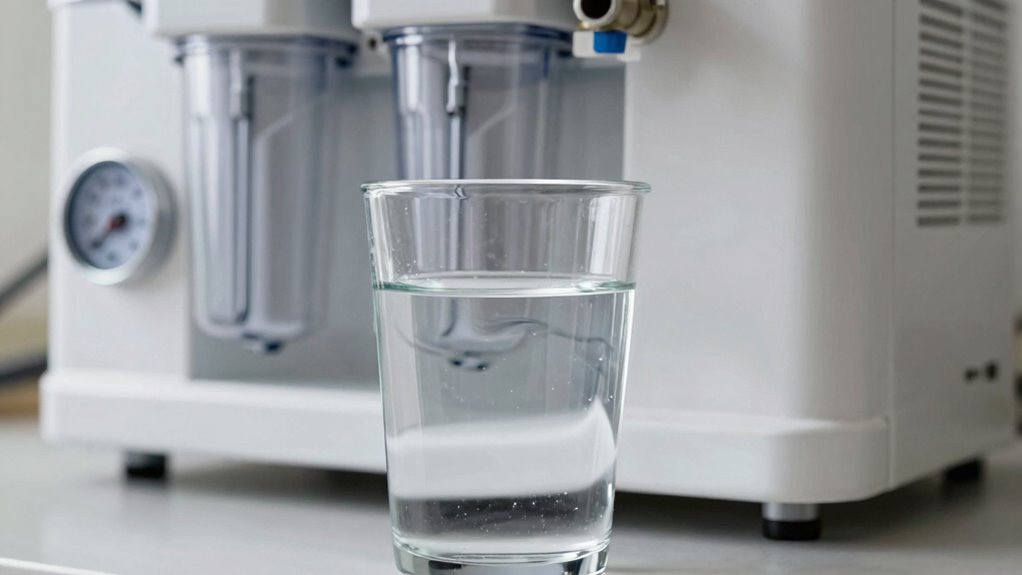
Looking for effective ways to remove chloramines from your water? The best approach is through proper water filtration and chemical removal methods. Using activated carbon filters is highly effective, as they absorb chloramines during water filtration. You can also opt for catalytic carbon filters, which specifically target chloramine compounds. Chemical treatments, like adding specific dechlorinating agents, can neutralize chloramines quickly. Reverse osmosis systems are another excellent option, providing thorough chemical removal alongside filtration. Regular maintenance of your filtration system ensures continued effectiveness. Keep in mind, not all filters remove chloramines equally, so choose one designed for chemical removal. Additionally, understanding the chemical composition of chloramines helps in selecting the most efficient removal method. Employing water treatment techniques suited for chloramine removal can significantly improve water quality. These methods help eliminate the strong smell and reduce health concerns associated with chloramines, ensuring your water is cleaner and safer to drink. Proper filter maintenance and monitoring can also extend the lifespan of your filtration system and maintain its effectiveness over time. Being aware of chloramine levels in your water supply can help you determine the most appropriate removal strategy.
Tips for Ensuring Safe, Odor-Free Drinking Water at Home
To guarantee your drinking water remains safe and free of unpleasant odors, start by installing a reliable filtration system designed to target contaminants like chloramines and other chemicals. Regular water filtration ensures that harmful substances are removed, improving taste and safety. Additionally, perform routine home testing to monitor water quality and detect any lingering chloramine traces. Consider testing kits or professional services for accurate results. Here’s a quick overview:
| Tip | Action |
|---|---|
| Install | Use certified water filtration systems suited for chloramines |
| Test | Conduct home testing regularly for contaminants |
| Maintain | Replace filters as recommended |
| Ventilate | Ensure proper ventilation to reduce odors |
| Flush | Run tap water before use to clear residual chemicals |
Ensuring your system is properly maintained can also help prevent buildup and odors over time.
Frequently Asked Questions
Are Chloramines More Harmful Than Chlorine in Drinking Water?
Chloramines can be more harmful than chlorine in drinking water because they pose unique health concerns, like skin and eye irritation, and may cause long-term issues. They’re chemically more stable, meaning they linger longer in water, which increases exposure risks. If you notice a strong chlorine smell, it’s a sign to contemplate water testing, as chloramines may be present and could impact your health over time.
How Long Does It Take to Eliminate Chloramines From Water?
Chloramines removal typically takes 24 to 48 hours through proper water treatment. Did you know that standard household activated carbon filters can reduce chloramines by up to 97%? The water treatment duration depends on factors like water volume and filtration method. To speed up the process, you can increase contact time with the filter or use specialized chemical treatments, ensuring safer, clearer water faster.
Can Household Filters Completely Remove Chloramines?
Household filters can effectively remove chloramines, but not all filters are equal. Look for filters specifically designed for chloramine removal, which use activated carbon or catalytic media. These removal methods are more effective at breaking down chloramines than standard filters. To guarantee complete removal, check the filter’s effectiveness and replace it regularly. Proper filtration provides safer, better-tasting water by effectively eliminating chloramines.
Do Chloramines Affect Water Pipes and Plumbing Systems?
An ounce of prevention is worth a pound of cure. Chloramines can cause corrosion risks and pipe degradation over time, so they do affect your water pipes and plumbing systems. You might notice leaks, reduced water flow, or discolored water as signs. To protect your plumbing, consider installing proper filtration systems or using corrosion-resistant pipes. Staying proactive helps prevent costly repairs and keeps your water quality high.
Are There Health Risks Associated With Long-Term Chloramine Exposure?
Long-term chloramine exposure can pose health risks, especially through chronic exposure. You might experience skin or eye irritation, respiratory issues, or even more serious health implications over time. It’s important to monitor your water quality and consider filtration if you’re concerned. Reducing your exposure helps protect your health and minimizes potential risks associated with prolonged contact with chloramines in your water supply.
Conclusion
When you notice that sharp, chemical scent lingering in your water, it’s like a warning sign shining through a foggy window—your water’s telling you something’s off. By understanding chloramines and how to test and remove them, you can restore clarity and freshness to every glass. Imagine turning on your tap and being greeted by pure, clean water—crisp and inviting—free from that overpowering, medicinal smell. That’s the true taste of safe, odor-free drinking water.