
TL;DR
Gardening experts recommend allowing six popular perennials to grow wild for better appearance and health. This approach challenges conventional tidying methods and may improve garden aesthetics.
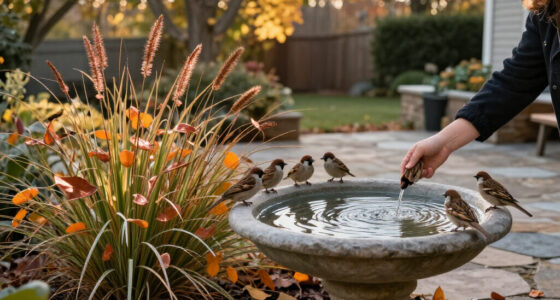
Gardening experts are increasingly advocating for letting six popular perennials grow more naturally, suggesting that this approach enhances their appearance and health. Learn about pollinator-friendly plants. This shift challenges traditional tidying practices and offers a new perspective for gardeners looking to improve garden aesthetics with less maintenance. For ideas on supporting local wildlife, see how to turn your yard into a bird-friendly space.

Get pool and patio gear delivered free with Prime
- Fast, free delivery on millions of items
- Prime Video, Amazon Music and more included
- Member-only deals all year
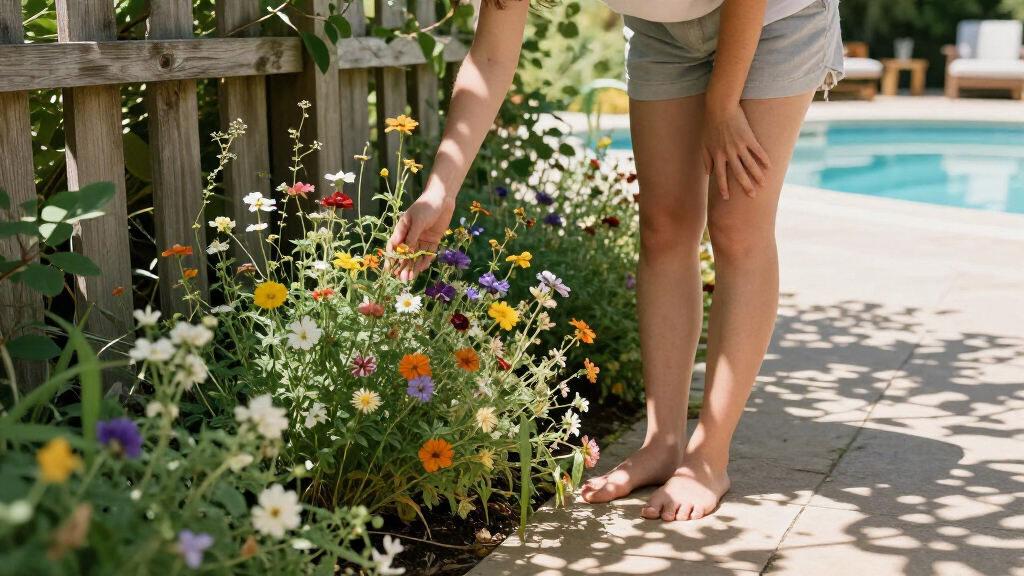
According to recent gardening articles, six perennials— including lavender, coneflowers, yarrow, sedum, black-eyed Susan, and bee balm— tend to thrive and look more attractive when gardeners allow them to grow without frequent pruning or tidying. Experts note that these plants develop a more natural, wildflower-like appearance that many find more appealing. You might also consider attracting pollinators by planting pollinator plants.
Gardening specialists emphasize that this approach can also benefit plant health. By reducing pruning, gardeners may decrease plant stress and promote stronger root systems, leading to more resilient plants. The trend advocates for observing the plants’ natural growth patterns and embracing their wild beauty.
Implications for Garden Design and Maintenance
Allowing these perennials to grow untamed can lead to more sustainable gardening practices, reducing labor and resource use. It also encourages biodiversity by creating habitats for pollinators and beneficial insects. This shift in approach could influence future gardening standards and preferences, especially among eco-conscious gardeners seeking low-maintenance, eco-friendly landscapes.Products Worth Considering

LG 55-Inch QNED73B Mini LED 4K Smart TV (2026)

Philips Hue Play Gradient Light Tube, Large, Black

Bose SoundLink Max Portable Bluetooth Speaker, Black
As an affiliate, we earn on qualifying purchases.
Growing Popularity of Naturalistic Gardening
This trend aligns with a broader movement toward naturalistic and sustainable gardening, which has gained momentum over recent years. Historically, gardeners have pruned perennials regularly to maintain a tidy appearance, but recent studies and anecdotal evidence suggest that less intervention can be beneficial. The idea of letting perennials go wild is supported by ecological principles and is increasingly featured in gardening literature and social media.
Previous seasons have seen a rise in wildflower gardens and meadow-style plantings, reflecting a desire for more environmentally friendly gardening. Experts say that this latest trend builds on that momentum, focusing specifically on perennial plants and their aesthetic potential when left to their own devices.
Unanswered Questions About Long-Term Effects
While experts endorse the benefits of letting certain perennials grow wild, it is still unclear how this approach affects plant health over multiple seasons, especially in different climates or soil types. More scientific research is needed to confirm long-term impacts on plant vigor, pest resistance, and overall garden ecology.
Monitoring and Adapting Gardening Practices
Gardeners and horticulturists are encouraged to experiment with this approach on a small scale and observe the results over time. Future studies and shared experiences will help refine best practices. Additionally, gardening organizations may develop guidelines to help gardeners balance natural growth with aesthetic and ecological goals.
Key Questions
Which perennials are best suited for letting grow wild?
Experts recommend lavender, coneflowers, yarrow, sedum, black-eyed Susan, and bee balm as good candidates for this approach.
Does letting perennials grow wild require less maintenance?
Yes, reducing pruning and tidying can lower labor and resource requirements, making gardening easier and more sustainable.
Will this approach work in all climates?
While generally beneficial, the success of letting perennials grow wild varies depending on local climate, soil, and plant species. Gardeners should observe and adapt accordingly.
Are there any downsides to allowing perennials to grow freely?
Potential downsides include increased weed competition or overgrowth that may interfere with other garden elements. Monitoring and occasional management may still be necessary.
Source: rss