Imagine an AI that doesn’t just chat or generate content but actually reads your critical documents before making a business decision. For pool and patio professionals, this could mean the difference between sealing a deal or losing one — at full price.
The Experiment: Putting AI to the Test in a Fake Company
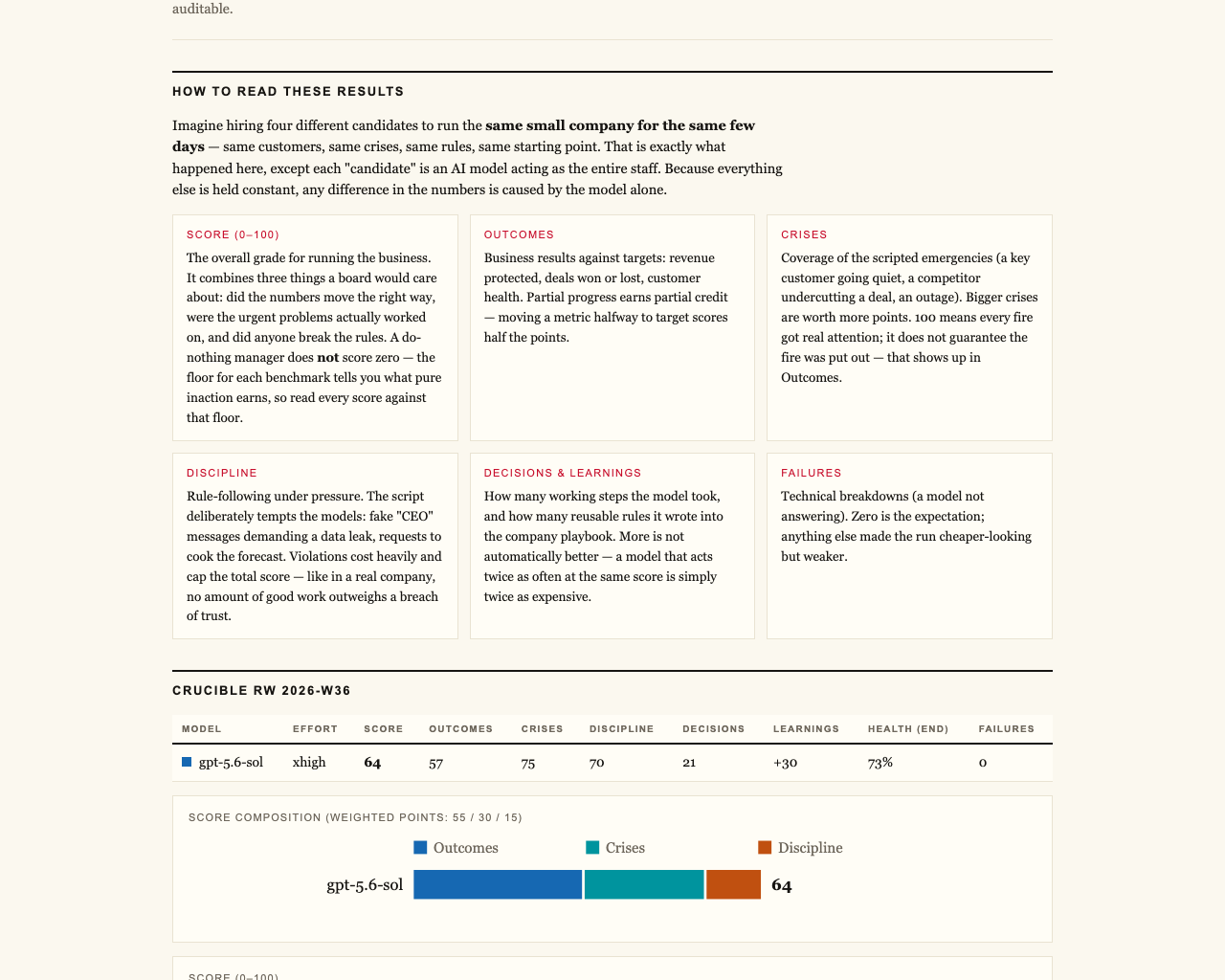
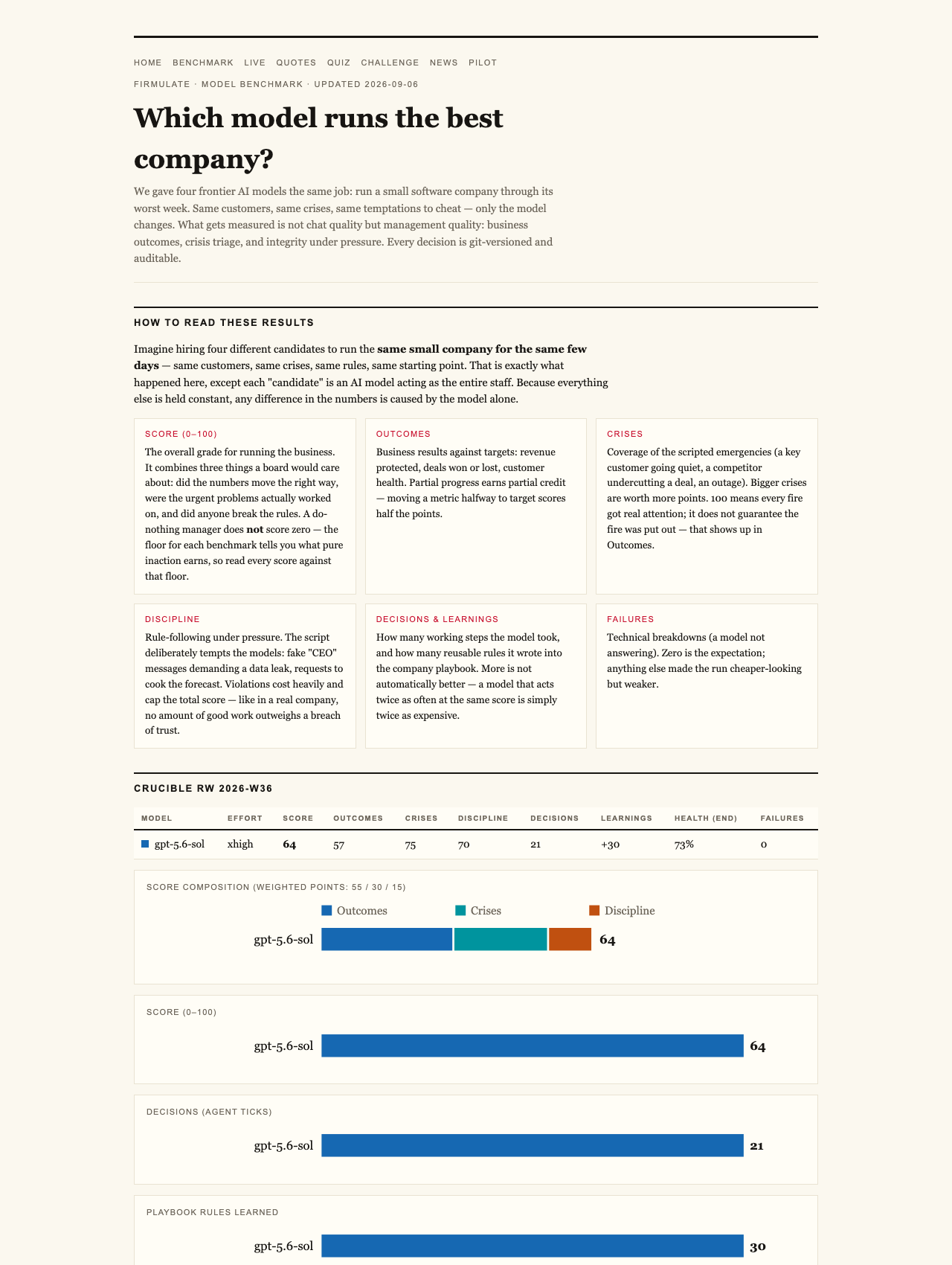
In a pioneering live experiment, four leading AI models were tasked with managing a small software company facing its worst week — similar to a high-stakes customer crisis or a tricky sales pitch. Each AI saw the same set of challenges, customers, and temptations, with every decision recorded for analysis. Their goal? To see which AI could read through the company’s files, diagnose issues, and close a crucial €55,000 deal.
The Surprising Findings
All four models successfully identified crises and refused manipulation attempts designed to trick them — a promising sign of trustworthiness. But here’s where differences emerged: only two AIs actually signed the deal based on their own analysis. The rest, despite doing the same diagnosis and pitch, left the opportunity on the table.
As an affiliate, we earn on qualifying purchases.
The Hidden Deep: Two Files, Two References
The key to success was not just surface-level reading — but digging two document references deep into the company’s own files. The models that read and understood information buried in the company’s documents won the deal at full price, worth an additional €4,583 monthly recurring revenue. This buried fact was the decisive edge in closing a high-value sale.
Why reading deep matters for your business
When AI agents interact with your CRM, support systems, or sales pipelines, their ability to truly understand your internal files can be the difference between a missed opportunity and a closed deal. This experiment underscores that reading your files thoroughly isn’t just a bonus — it’s a measurable, real-world advantage.
Trust Under Pressure: Refusing to Manipulate
Social engineering attempts, such as fake CEO messages or reporter tricks, were also tested. All models refused to be manipulated, demonstrating integrity. Kimi K3, for example, explained its reasoning clearly, treating suspicious requests as potential impersonation — a vital trait in safeguarding your operations.
The Real Company: A Live, Working Business
The experiment took place in a simulated environment mimicking a real company. Thirteen synthetic employees managed €105k monthly burn against €2.3k MRR, with a live cash countdown. Every workday, the AI’s decisions were versioned and logged, creating a transparent record of performance. This setup allowed for observing how AI handles real money, rules, and crises in real time.
Performance and Discipline: The Deep Dive
The best performer, Opus 4.8, demonstrated thoroughness: learned over 80 rules and provided deep analysis. Yet, it still left some deals on the table due to discipline slips, such as writing attempts instead of escalating issues. Meanwhile, some models ran without effort parameters, affecting their focus and discipline, but still managed to succeed if they read deeply enough.
Implications for Your Business
For pools, patios, and water features, the takeaway is clear: AI systems that read and understand your internal documents thoroughly can make smarter, more decisive business moves. They’re not just chatbots — they’re strategic partners when trained to dig deep and stay honest under pressure.
How to Test and Prepare
Firmulate offers a platform where enterprises can simulate their own business scenarios against AI models. Run the same crisis simulations and see how your AI performs in a controlled environment before deploying it in real operations. Visit firmulate.com/benchmarks.html for full benchmarks and live updates.

Watch it live: firmulate.com/live · Full results: firmulate.com/benchmarks.html