TL;DR

Get pool and patio gear delivered free with Prime
- Fast, free delivery on millions of items
- Prime Video, Amazon Music and more included
- Member-only deals all year
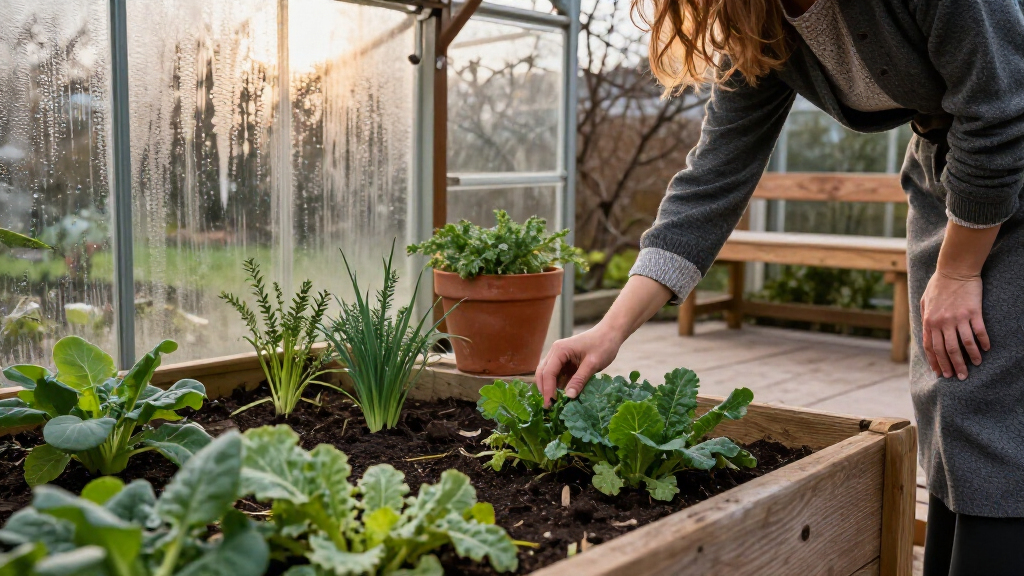
An Amateur Gardening report outlines ways to keep a greenhouse productive during winter, including cleaning glazing, insulating against frost and managing ventilation and watering. It also describes hardy crops and seeds that can be grown or started under cover, while noting that cold protection depends on local conditions and the greenhouse setup.
Amateur Gardening has published a set of winter greenhouse tips for gardeners looking to keep growing after summer, recommending a thorough clean, frost protection and careful control of ventilation and watering. The report, drawing on advice from Kent-based landscape architect and garden designer Camellia Taylor, describes ways to grow hardy crops under cover and start some seeds earlier than outdoor conditions allow.
The report recommends clearing out the greenhouse at the end of the summer growing season. Gardeners are advised to clean the inside and outside of the glass, sweep floors and shelves, and remove leaves and other debris from corners and gutters. Cleaner glazing allows more of the limited winter daylight to reach plants. The report also advises checking for storm damage and removing slugs, snails, vine weevils and other pests that may be sheltering among pots or on shelves.
Insulation and frost protection are other parts of the preparation. The report says horticultural fleece or bubble wrap attached to greenhouse walls or ceilings can help retain warmth, and suggests checking doors and windows for gaps where cold air can enter. Some gardeners may use heaters; Taylor says she keeps hers set to 5°C to protect pelargoniums. That is her practice, not a universal temperature recommendation, and suitable settings will depend on the plants being kept and local conditions.
Once the greenhouse is in use, Taylor recommends opening it on milder days to reduce damp, even during winter, and watering less than in warmer months. She says she waters in the morning and removes dying plant material before it can become mouldy. The report lists rocket and mizuna among winter salad crops, and says leeks, beetroot, carrots, kale and spinach can also be grown in a greenhouse. Sweet peas and foxgloves can be sown under cover, while Taylor says she sows sweet peas and broad beans in January and starts chilies and tomatoes later in a heated propagator.
Keeping Winter Greenhouses Productive
The advice gives gardeners a practical alternative to treating a greenhouse as storage once summer crops are finished. Used for hardy crops, seed starting and protecting tender plants, it can support gardening through colder months and help prepare plants for spring. The report’s emphasis on cleaning and checking for pests also addresses problems that can be harder to spot in a crowded greenhouse, where damp and poor airflow may encourage mould.
There is no guarantee that a greenhouse will keep every crop growing through winter. Light levels, temperature, insulation and plant choice all affect what can survive or grow, and a greenhouse without heating may not protect tender plants during severe frost. The tips are best understood as general gardening guidance rather than a promise of year-round harvests.
Products Worth Considering

Levoit Core 600S-P Smart Air Purifier for Large Rooms

Bose TV Speaker (2nd Gen) Compact Soundbar

eufy Security E30 4K Indoor Pan and Tilt Camera, 2-Pack
As an affiliate, we earn on qualifying purchases.
Advice From a Kent Greenhouse
The source is an Amateur Gardening report about extending the growing season, based partly on an interview with Camellia Taylor in her garden in Kent, southern England. Taylor describes using her greenhouse in spring and summer and keeping plants such as pelargoniums under cover until spring. Her comments provide an individual example; they do not establish that the same routines or temperature settings suit every garden or climate.
The report frames a greenhouse as more than a place to grow summer crops such as tomatoes. It says the structure can shelter hardy crops and provide a controlled place to sow seeds. Its recommendations focus on end-of-season maintenance, protection from cold and damp, and monitoring plants for pests. The report does not provide experimental results or quantify how much a greenhouse extends the growing season.
“First thing is to give it a good deep clean.”
— Camellia Taylor, landscape architect and garden designer, as quoted by Amateur Gardening
Limits Depend on Local Conditions
The report does not say what temperatures the listed crops can tolerate in different greenhouse designs, or how much protection fleece, bubble wrap or a heater will provide during a cold spell. It also does not specify a single watering schedule, since needs depend on crop, soil, light and temperature. Taylor’s 5°C heater setting is an account of her own greenhouse rather than a broadly tested threshold. Gardeners should monitor conditions and adapt care to their plants and local weather.
Prepare Before Cold Weather
The report’s practical next step is to clean and inspect the greenhouse before winter conditions set in, then decide which crops need shelter and whether extra insulation or heat is appropriate. Gardeners can monitor overnight temperatures, check for condensation and pests, ventilate on mild days, and adjust watering as growth slows. The article does not announce a follow-up event or a formal schedule; its guidance is intended for use throughout the winter growing period.
Key Questions
What should I do first to prepare a greenhouse for winter?
Clean the greenhouse thoroughly, including glass, floors, shelves and gutters. Remove plant debris and check for pests or damage before bringing plants and supplies back inside.
Can I grow vegetables in a greenhouse during winter?
The report names rocket, mizuna, leeks, beetroot, carrots, kale and spinach as crops that can be grown under cover. Results depend on local temperatures, light and the level of protection available.
Do I need a heater?
Not necessarily. The report describes fleece and bubble wrap as possible insulation and says some gardeners use heaters to protect tender plants. The right approach depends on the crops and conditions; Taylor’s 5°C setting is specific to her greenhouse.
How often should I water greenhouse plants in winter?
The report does not give a fixed schedule. Taylor advises watering less than in warmer months and doing so in the morning. Check the growing medium and the plants’ needs rather than relying on a universal timetable.
Source: amateurgardening.com