
For effective training in an endless pool, keep the water temperature between 78°F and 82°F. This range boosts performance, reduces fatigue, and guarantees good water chemistry without overexertion. For muscle recovery, higher temperatures around 85°F to 92°F promote muscle relaxation and faster healing. Maintaining consistent temperatures is key, and understanding how to fine-tune your pool’s settings can optimize both workout and recovery sessions. If you want to learn more, you’ll find helpful tips below.

Get pool and patio gear delivered free — and shop member deals
- Fast, free delivery on millions of items
- Access to Prime Big Deal Days deals on October 6–7
- Prime Video, Amazon Music and more included
Key Takeaways
- Ideal training water temperature ranges from 78°F to 82°F to optimize muscle function and prevent fatigue.
- For recovery and muscle relaxation, warmer water between 85°F and 92°F enhances blood flow and speeds healing.
- Maintaining proper insulation and regular heater checks ensures consistent temperature for both training and recovery.
- Water temperature management should consider activity purpose, adjusting within recommended ranges for optimal performance.
- Avoid extreme temperatures to prevent discomfort, skin irritation, dehydration, or reduced endurance during swimming sessions.
As an affiliate, we earn on qualifying purchases.
What Factors Influence the Ideal Pool Temperature for Swimmers?
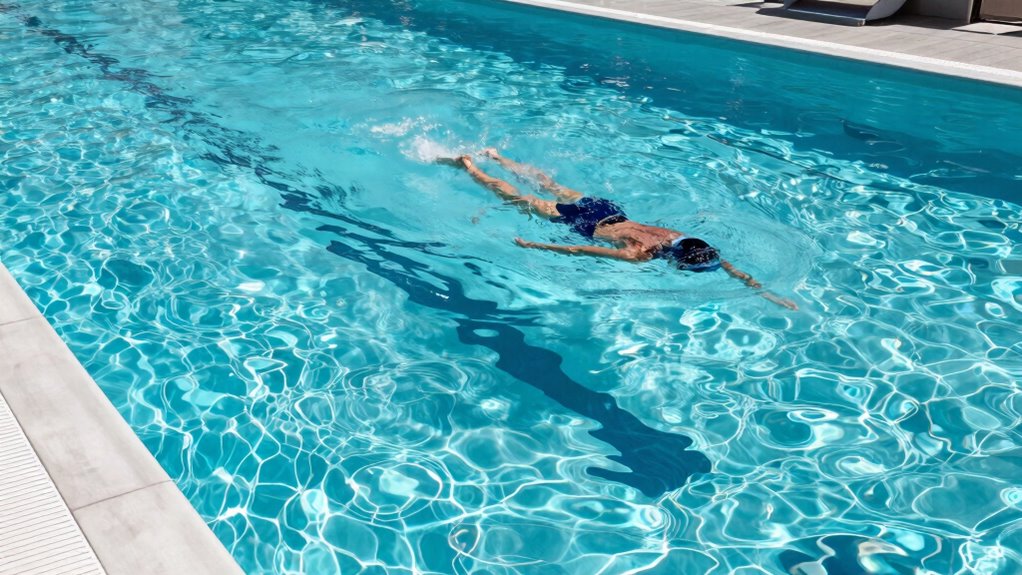
When determining the ideal pool temperature for swimmers, several key factors come into play. Water circulation is essential because it ensures consistent temperature throughout the pool, preventing cold spots that can affect comfort and performance. Proper circulation also helps distribute chemicals evenly, maintaining a stable chemical balance that’s indispensable for safe, clean water. If circulation slows down or is uneven, temperature fluctuations and imbalanced chemicals can occur, making the pool uncomfortable or unsafe. Keep your filtration system well-maintained to promote prime water movement. Additionally, consider the pool’s size and usage patterns, as these influence how effectively water circulation and chemical balance are maintained. Addressing these factors helps you achieve a stable, comfortable swimming environment tailored to your needs. For optimal results, integrating ventilation considerations can further enhance comfort and safety around the pool area. Proper temperature regulation also plays a vital role in supporting both training performance and recovery, especially when combined with smart thermostats that can optimize settings automatically. Ensuring consistent water flow is also crucial for maintaining a stable and enjoyable temperature environment. Regularly monitoring water quality parameters ensures that temperature and chemical levels remain within desired ranges for optimal swimming conditions.
What Is the Best Water Temperature for Training in an Endless Pool?

Finding the right water temperature is key to effective training in your endless pool. The ideal range generally falls between 78°F and 82°F, depending on your goals. Understanding how temperature affects performance can help you customize your workouts for better results. Additionally, maintaining a consistent temperature can prevent discomfort and ensure safety during prolonged sessions safety considerations. Proper temperature regulation can also help prevent overexertion and performance declines, ensuring you get the most out of each session. For optimal training efficiency, monitoring and adjusting water temperature based on your activity level is essential. Recognizing the importance of water temperature management can enhance both safety and workout effectiveness, especially as environmental conditions fluctuate.
Optimal Temperature Range
Maintaining the right water temperature in your endless pool is essential for effective training and comfort. The ideal temperature range typically falls between 78°F and 82°F (25.5°C to 28°C). Staying within this range helps keep water chemistry stable, preventing issues like algae growth or bacteria that thrive in imbalanced conditions. Proper pool insulation also plays a crucial role by maintaining consistent temperatures and reducing energy costs. When the water is too warm, it can cause fatigue faster, while colder water might hinder mobility and performance. Keeping your pool within this ideal range ensures you stay comfortable, focused, and safe during workouts. Regularly checking and adjusting your pool’s temperature and insulation will maximize your training experience. Additionally, understanding the contrast ratio of your pool’s lighting can help create a more inviting environment for post-workout relaxation.
Temperature for Performance
For ideal performance during your training sessions, the water temperature in your endless pool should be carefully set within a specific range—typically between 78°F and 82°F (25.5°C to 28°C). This range helps optimize your muscle function and endurance while minimizing fatigue. Maintaining proper hydration strategies is essential, so drink plenty of fluids before, during, and after your workout. Additionally, a balanced pool chemical environment guarantees comfortable, safe water and prevents irritations or infections that could hinder your performance. Regularly check and adjust your pool’s chemical levels, especially pH and chlorine, to keep the water clean and stable. Proper pool maintenance is crucial for sustaining optimal conditions and ensuring longevity of your equipment. Glycolic acid can be used to exfoliate and improve skin texture, which may be beneficial for post-workout skin care. By controlling temperature, hydration, and chemical balance, you create the ideal conditions for peak performance during your training sessions, and understanding smart technology can help you monitor these factors remotely for improved consistency and safety. Additionally, employing backup systems can ensure your pool remains operational during power outages, maintaining consistent training conditions.
How Does Water Temperature Affect Swimming Performance and Endurance?

Water temperature considerably impacts how well you perform and how long you can swim comfortably. When the water is too cold or too hot, your endurance drops and fatigue sets in faster. Understanding this relationship helps you optimize your training and improve your overall swimming stamina. Maintaining an optimal water temperature range can enhance your performance and recovery. Properly managing water temperature also reduces the risk of hypothermia or overheating, ensuring safer training sessions. Additionally, using appropriate water purifier maintenance techniques can help maintain a consistent temperature and quality of the water, supporting better training conditions. Monitoring and controlling the hydraulics and circulation systems can further help sustain a stable water temperature for optimal swimming conditions.
Impact of Water Temperature
When the water temperature isn’t just right, your swimming performance and endurance can take a hit. Temperature directly impacts buoyancy and how your skin reacts. Here’s how:
- Warmer water increases buoyancy, making you feel lighter and potentially improving glide.
- Cooler water can decrease buoyancy, requiring more effort to stay afloat.
- Hot water might cause skin irritation and dehydration, reducing comfort and stamina.
- Cold water can numb your skin, impairing sensory feedback and muscle response.
- Maintaining optimal water temperature aligns with the principles of haute couture, emphasizing the importance of precise craftsmanship and attention to detail for the best results.
Temperature and Endurance Levels
The temperature of your pool considerably influences your endurance by affecting how efficiently your body can perform and recover. Cooler water increases hydrodynamic resistance, making each stroke more challenging, which can boost strength but tire you faster. Conversely, warmer water enhances water buoyancy, reducing resistance and easing movement, allowing longer, sustained swims. This balance impacts your endurance levels by either pushing your limits or aiding recovery. Consider this: You can also modify natural pool features to optimize your swimming environment based on your training needs. Additionally, understanding water temperature effects can help tailor your workouts for specific endurance goals. Maintaining an optimal training environment can further improve performance and recovery outcomes.
What Is the Recommended Water Temperature for Recovery and Muscle Relaxation?
To promote recovery and relax your muscles effectively, maintaining a water temperature between 85°F and 92°F (29°C to 33°C) is generally recommended. This range helps you achieve ideal muscle relaxation and supports injury prevention. Consider these key points:
- Keep the water warm enough to soothe tense muscles without causing overheating.
- This temperature encourages blood flow, aiding in faster recovery.
- Staying within this range reduces the risk of muscle strains or cramps.
- Adjust slightly based on personal comfort, but avoid dropping below 85°F or exceeding 92°F for best results.
Maintaining this temperature ensures your muscles relax properly and decreases the chance of injury, making your recovery sessions safer and more effective.
How to Adjust and Maintain Your Pool’s Water Temperature Effectively
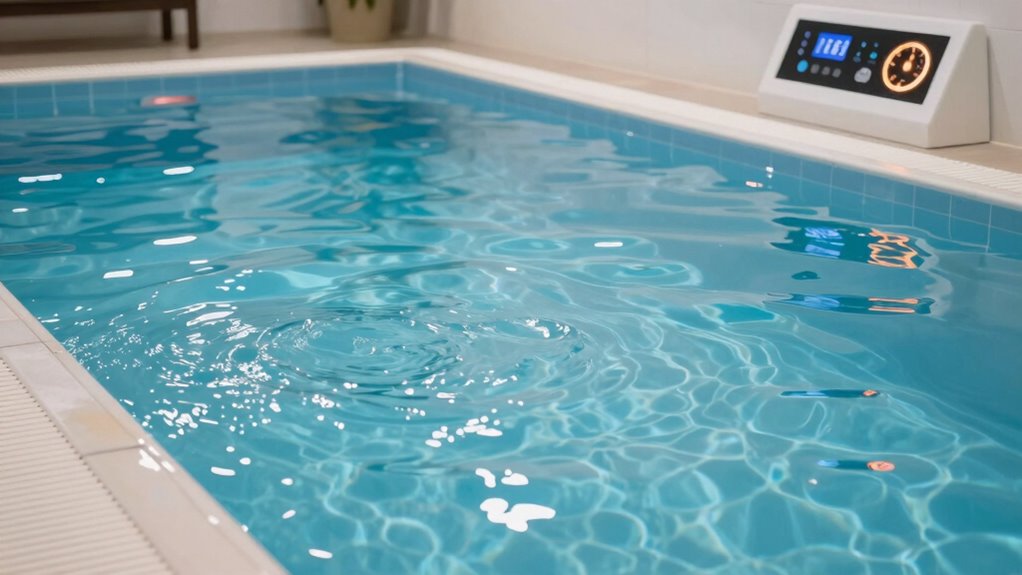
Adjusting and maintaining your pool’s water temperature requires a combination of proper equipment and regular monitoring. Start by ensuring your pool is well-insulated; good insulation minimizes heat loss and keeps your desired temperature stable. Use a reliable heater and schedule regular heater maintenance to prevent efficiency issues. To fine-tune the temperature, check it daily with a waterproof thermometer and adjust your heater’s settings accordingly. Keep the following in mind:
| Action | Benefit |
|---|---|
| Improve pool insulation | Reduces energy costs, maintains warmth |
| Schedule heater maintenance | Ensures consistent performance |
| Monitor temperature regularly | Keeps water within your preferred range |
Common Mistakes When Setting Your Pool Temperature: and How to Avoid Them
Many pool owners make the mistake of setting the temperature too high or too low without considering their actual needs or energy efficiency. This can lead to increased costs and compromised water quality. To avoid these errors, keep in mind:
- Neglecting to use a pool cover, which helps maintain temperature and reduces heat loss.
- Ignoring the importance of maintaining proper chemical balance, as imbalance can affect water temperature and clarity.
- Setting the temperature without considering whether you’re training or recovering, which impacts comfort and effectiveness.
- Forgetting to check and adjust the thermostat regularly, leading to unnecessary energy consumption or unsafe water conditions.
Frequently Asked Questions
How Quickly Can I Change My Pool’s Water Temperature?
You can usually change your pool’s water temperature within a few hours, depending on your heater’s size and efficiency. To speed this up, make certain your pool has good insulation, which retains heat better, and that your heater is properly calibrated for accurate control. Keep in mind that adjusting the thermostat gradually prevents stress on the system, helping you reach your desired temperature safely and efficiently.
What Equipment Is Best for Maintaining Consistent Temperature?
A stitch in time saves nine, so choosing the right equipment keeps your pool at the perfect temp. For consistency, opt for reliable heater options like electric or gas heaters, and enhance insulation techniques to minimize heat loss. A quality cover also helps preserve temperature overnight. Regularly checking and maintaining your heater ensures steady, comfortable water, whether you’re training or recovering. This combo keeps your pool ready when you need it most.
Can Temperature Fluctuations Affect Swimmer Safety?
Temperature fluctuations can definitely affect your safety by disrupting thermal comfort and increasing hypothermia risk. When water gets too cold, you might experience shivering or numbness, making it harder to swim safely. Conversely, if it’s too warm, you risk overheating. Maintaining a stable temperature helps keep you comfortable and safe, ensuring you can train or recover effectively without the dangers associated with sudden changes in water temperature.
How Often Should I Test Water Temperature Accuracy?
You should test your water temperature accuracy at least once a week, especially if you use your pool frequently. Use a reliable thermometer and make sure it’s properly calibrated for precise readings. Regularly check your temperature sensors for any malfunctions or inconsistencies. This routine helps you maintain safe, ideal conditions for training or recovery, preventing temperature fluctuations that could impact your safety or performance.
Are There Specific Temperature Recommendations for Different Age Groups?
Follow age-specific guidelines to determine the ideal water temperature for your needs and comfort. For children, keep the water between 82-86°F to ensure safety and comfort. For adults, a range of 78-82°F often promotes effective training and recovery. Seniors may prefer slightly warmer temperatures, around 84-88°F, to support joint comfort and mobility. Always prioritize temperature comfort and modify based on individual health and activity level.
Conclusion
Balancing your pool temperature is key—you want it warm enough for recovery but not so hot it hampers performance. Remember, comfort fuels consistency, yet pushing too far can lead to fatigue. By fine-tuning your endless pool’s settings, you create a space that supports both training and recovery. It’s a delicate dance: too cold, and you risk stiffness; too warm, and you could overtrain. Master this balance, and your swimming will improve naturally.
Fall Picks
fall essentials
As an affiliate, we earn on qualifying purchases.