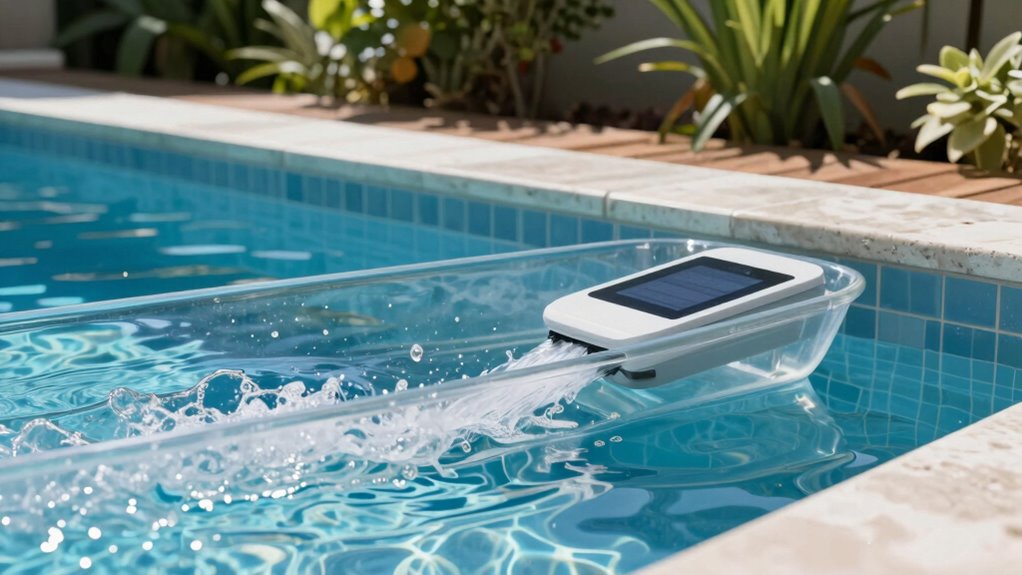
To address flow problems in your Endless Pool, start by checking the water level—make sure it’s at the recommended mark for proper skimming. Inspect the pump and filter for blockages or unusual noises, and clean or replace filters if needed. Look for debris or mineral buildup in jets and outlets. Adjust your pump and filter settings to ideal levels, and if issues persist, consider seeking professional help. Keep going, and you’ll discover more solutions to restore your pool’s flow.
Key Takeaways
- Check water levels and skimmer positioning to ensure proper debris removal and optimal flow.
- Inspect the pump, filter, and connections for leaks, blockages, or unusual noises.
- Clean or replace dirty filter cartridges and remove debris from jets and intake areas.
- Verify pump settings, flow controls, and water chemistry to maintain correct circulation rates.
- Seek professional help if issues persist after troubleshooting, indicating possible system or plumbing problems.
How to Check Your Water Level in Your Endless Pool
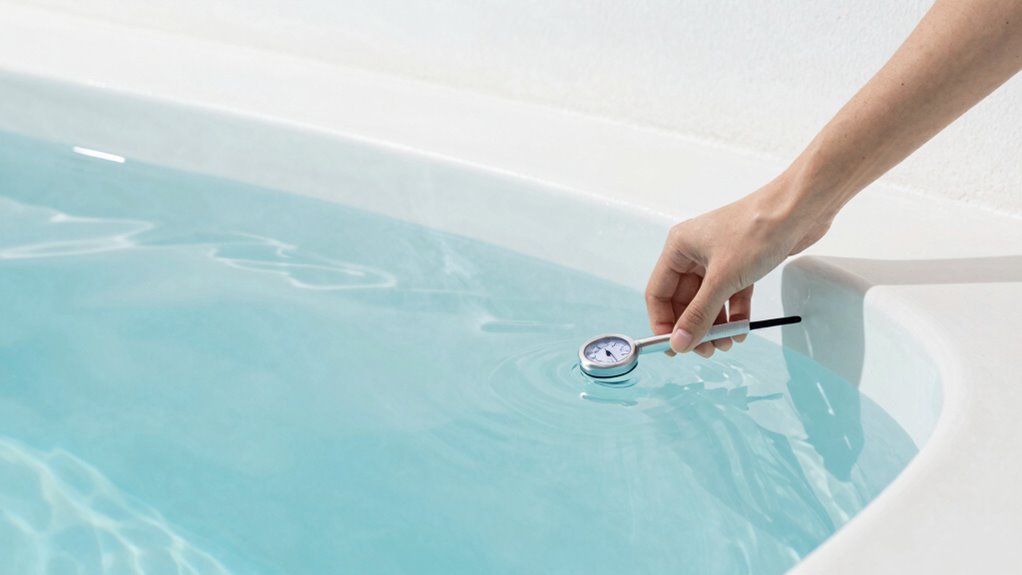
Ensuring the water level in your Endless Pool is correct is essential for peak performance. Start by checking the water level against the manufacturer’s recommended mark, usually on the side of the pool. If the water is too low, it can cause flow issues or damage the pump. If it’s too high, debris may not be properly skimmed, affecting circulation. Adjust the skimmer by positioning it so it’s just beneath the water surface, ensuring effective debris removal and proper water flow. Regularly monitoring the water level helps prevent flow problems and keeps your pool functioning smoothly. Remember, maintaining the right water level supports ideal skimmer adjustment, which in turn maintains proper circulation and prevents unnecessary strain on your pool’s system. Additionally, using a water level indicator can make it easier to keep track of the correct level without frequent manual checks. Proper water level management is also part of pool maintenance that ensures longevity and optimal operation of your Endless Pool. To further prevent flow problems, consider inspecting the water circulation system periodically for any potential blockages or malfunctions. Checking the flow rate regularly can also help identify issues early before they become major problems.
Inspect Your Pump and Filter for Blockages or Malfunctions

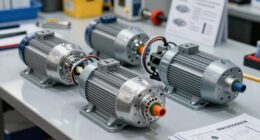
To keep your Endless Pool running smoothly, you need to regularly inspect your pump and filter for blockages or malfunctions. Start with pump maintenance by checking for unusual noises, leaks, or vibrations that could indicate issues. Ensure the pump’s impeller spins freely and isn’t obstructed. For filter troubleshooting, remove and clean or replace the filter cartridge if it appears dirty or clogged. A dirty filter restricts water flow, causing flow problems. Check for debris or buildup that might hinder proper filtration. Confirm all connections are secure and there are no cracks or damage. Regular inspections help prevent minor issues from escalating, maintaining ideal flow. Being aware of filter maintenance schedules and proper cleaning techniques can further improve your pool’s performance. Staying proactive with pump maintenance and filter troubleshooting keeps your Endless Pool functioning efficiently and reduces the risk of unexpected flow disruptions. Additionally, inspecting the pump motor for signs of wear can help identify potential failures before they happen. Incorporating local automation controls for your pool system can facilitate easier monitoring and maintenance routines. Remember that proper lubrication and timely replacements can extend the lifespan of your components and ensure consistent performance. Regularly checking the pressure gauge can also provide early indications of filter clogging or flow restrictions.
How to Clear Clogged Jets and Return Outlets
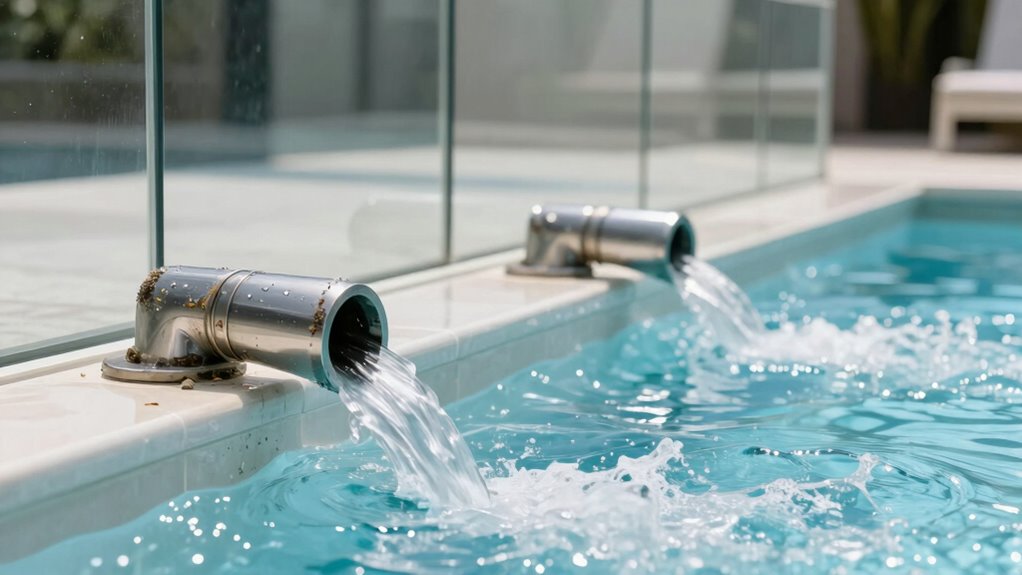
Clogged jets and return outlets can considerably reduce water flow and disrupt your pool’s performance. To fix this, start with jet cleaning and outlet clearing. Remove the jets or outlets and inspect for debris or mineral buildup. Use a brush or a pin to clear any blockages carefully. Soak the parts in vinegar if mineral deposits are stubborn. Regular maintenance, including preventative care, can help avoid recurring clogs and keep your water circulation optimal. Incorporating water flow management techniques can further improve circulation efficiency. Additionally, monitoring system components regularly can help catch issues early before they impact performance. Implementing proper sanitation procedures can also minimize mineral buildup that causes clogs. Reassemble once clean, then run your pump to check flow. If flow remains weak, repeat the process or consider replacing damaged parts. Incorporating smart monitoring can help detect flow issues early, ensuring your pool stays in top condition.
Look for Debris or Buildup That Could Disrupt Flow
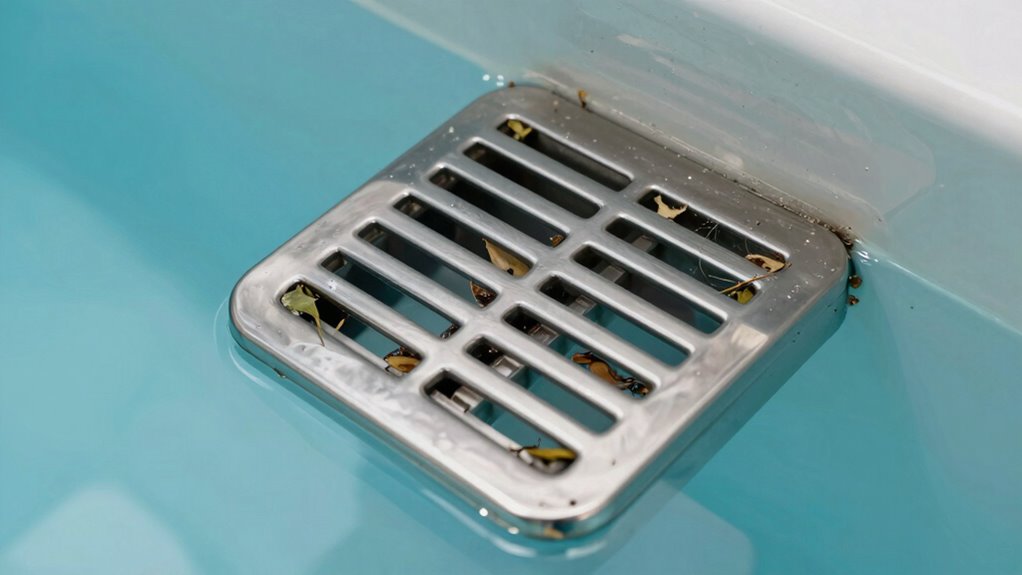
Debris and mineral buildup are common culprits that can block water flow in your pool’s jets and outlets. Over time, debris accumulation from leaves, dirt, or algae can clog pipes, leading to reduced circulation. Mineral deposits from hard water can also form inside pipes, creating obstructions that hinder flow. To check for these issues, inspect the intake and return areas for visible debris or buildup. If you notice any obstructions, carefully remove debris and flush the system to clear mineral deposits. Regular maintenance, including cleaning intake screens and monitoring water quality, helps prevent pipe obstructions. Being aware of filtration systems and their maintenance needs can further help you prevent flow issues. Additionally, inspecting and maintaining water chemistry ensures minerals do not precipitate inside pipes, reducing the risk of blockages. Proper system cleaning and routine inspections can significantly reduce the chances of flow disruptions. Addressing debris accumulation early ensures smooth water flow and ideal pool performance, reducing the risk of more serious flow problems. Regularly checking and adjusting pool water chemistry can also help prevent mineral buildup from forming inside pipes. Performing periodic system flushes can help dislodge accumulated debris and mineral deposits before they cause significant flow restrictions.
Are Your Filter and Pump Settings Correct?
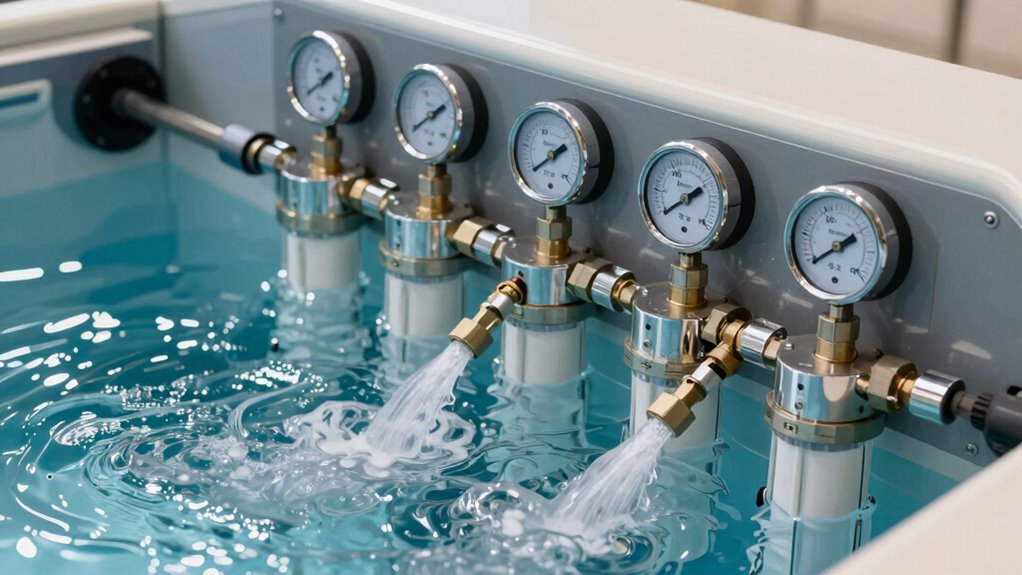
Make certain your pump power settings are appropriate for your pool size to maintain proper flow. Check that your filter cartridge is correctly placed and not clogged, as this can restrict water movement. Finally, adjust your flow rate to ensure it matches recommended levels for ideal circulation and performance. Additionally, using a high-quality filter can significantly improve water flow and clarity, especially when combined with proper thermal management techniques for your pool system. Ensuring your filter maintenance routine is up-to-date can also help prevent flow issues and keep your pool functioning smoothly. Regularly inspecting your pool system components can help identify potential problems early before they cause flow disruptions.
Verify Pump Power Settings
Ensuring your pump and filter are set to the correct power levels is essential for ideal pool performance. Proper pump calibration ensures your system runs efficiently, avoiding flow issues. First, check that the power supply delivers consistent voltage; fluctuations can impair pump function. Next, verify that your pump’s settings match manufacturer recommendations. If your pool has adjustable flow controls, ensure they’re correctly positioned. For a deeper check, compare the pump’s current draw against specifications. Use this table as a quick reference:
| Setting Aspect | Recommended Action | Potential Issue |
|---|---|---|
| Power supply | Confirm stable voltage with multimeter | Power fluctuations cause flow drops |
| Pump calibration | Follow manufacturer instructions | Incorrect calibration reduces flow |
| Flow controls | Adjust to specified settings | Misadjusted controls hinder flow |
Check Filter Cartridge Placement
Proper placement of your filter cartridge is essential for peak flow and pump performance. A misplaced filter cartridge can restrict water flow, causing flow issues. To perform a placement check, follow these steps:
- Remove the filter cartridge and inspect it for proper orientation and seating.
- Ensure the cartridge is fully inserted into the filter housing without gaps or misalignment.
- Confirm the cartridge is clean and free of debris that could block water flow.
If the filter isn’t seated correctly, water might bypass it or flow unevenly, reducing circulation. Always double-check the filter cartridge placement after cleaning or replacing it. Correct placement guarantees ideal filtration and flow, preventing unnecessary flow problems in your Endless Pool. A quick placement check can save you hours of troubleshooting later.
Adjust Flow Rate Properly
After confirming your filter cartridge is correctly placed, the next step is to verify that your pump and filter settings are properly adjusted. Guarantee the flow rate matches the pool’s size and intended use; too high can cause turbulence, while too low may hinder filtration. Check that your water temperature remains within the ideal range, as improper temperature can affect water flow and chemical balance. Maintaining proper chemical balance is vital; imbalances can cause clogging or reduced flow. Adjust your pump settings accordingly, and run it for a few minutes to observe flow consistency. Regularly monitor these factors to prevent flow issues. Properly calibrated flow rates, stable water temperature, and balanced chemicals ensure your Endless Pool runs smoothly without flow disruptions.
When to Call a Professional for Persistent Flow Problems
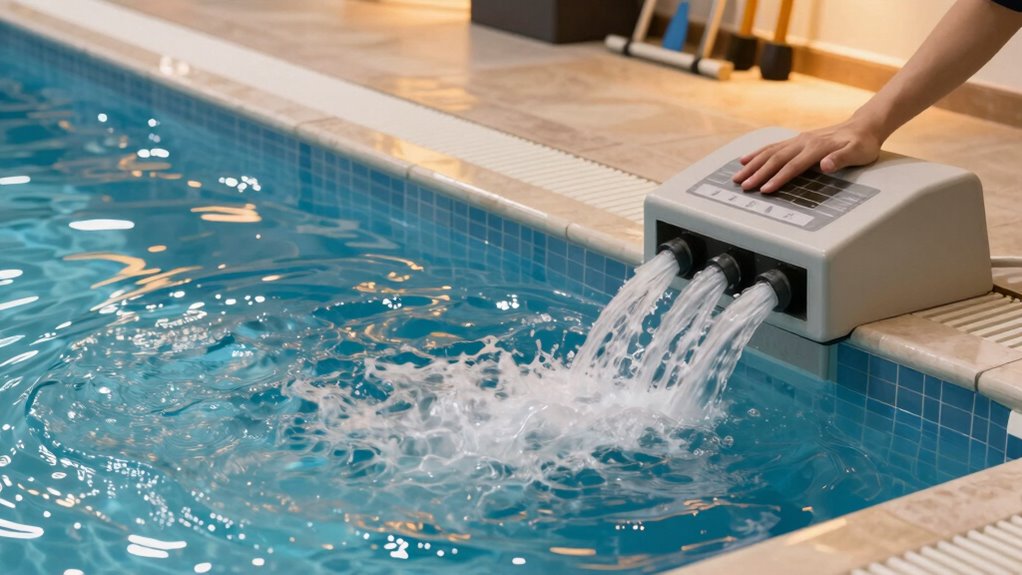
When flow problems in your Endless Pool persist despite basic troubleshooting, it’s a clear sign you should consult a professional. A professional inspection can identify underlying issues that aren’t obvious, ensuring your pool’s flow is restored efficiently. Here’s when to call in experts:
- If you notice inconsistent water circulation despite cleaning and adjustments.
- When your troubleshooting efforts don’t resolve the flow problem after checking filters and pumps.
- If you suspect a flow diagnosis requires specialized tools or knowledge beyond your experience.
A professional can perform a thorough flow diagnosis and pinpoint problems like hidden clogs, pump failures, or plumbing leaks. Don’t delay if basic fixes don’t work—expert intervention saves time, money, and your peace of mind.
Tips to Maintain Good Water Circulation in Your Endless Pool

Maintaining good water circulation in your Endless Pool is key to preventing persistent flow problems and guaranteeing your system runs smoothly. Regularly check your water chemistry, as imbalances can hinder flow and cause equipment strain. Keep pH, alkalinity, and sanitizer levels in the recommended range to promote efficient circulation. Additionally, ensure your pool lighting isn’t obstructing the skimmer or pump intake, as faulty or improperly positioned lights can disrupt flow. Clean filters frequently to remove debris that can block water movement. Consider running your circulation system during off-peak hours to keep water moving consistently. Proper water chemistry and well-functioning pool lighting work together to maintain ideal flow, reducing the likelihood of flow problems and prolonging your pool’s lifespan.
Frequently Asked Questions
Can Water Chemistry Affect Flow in My Endless Pool?
Yes, water chemistry can affect flow in your endless pool. If the chemical balance is off, such as high or low pH levels or improper sanitizer levels, it can cause buildup or corrosion that restricts water movement. Maintaining good water quality by regularly testing and adjusting chemicals ensures peak flow. Proper water chemistry keeps your pool’s equipment running smoothly, preventing flow issues caused by chemical imbalances.
How Often Should I Perform Flow System Maintenance?
Think of your pool’s flow system like a car engine—you need regular checkups to keep it running smoothly. You should perform filter maintenance every 3-6 months, depending on usage, and inspect the pump for signs of wear annually. Regular upkeep extends the pump’s lifespan and guarantees peak flow, preventing issues before they become costly or disruptive. Stay proactive, and your pool will stay in top shape longer.
Are Flow Problems More Common With Specific Pool Models?
Flow problems are more common with certain models that have unique design variations, which can lead to model-specific issues. Some pools may experience flow disruptions due to design features or component placements that aren’t as robust. To avoid these problems, you should research your specific pool model, follow manufacturer guidelines, and perform regular maintenance. Being aware of your model’s potential vulnerabilities helps you troubleshoot and prevent flow issues effectively.
What Are Signs of a Failing Pump Beyond Flow Issues?
Think of your pump as the heart of your pool’s circulation. When it starts failing, you might notice strange noises or overheating, like a tired dancer struggling to keep rhythm. Signs include reduced flow, increased filter clogging, and strange sounds. If your pump’s lifespan is nearing its end, these symptoms become more common, signaling it’s time for a check-up before a complete breakdown.
Can External Factors Like Weather Impact Pool Circulation?
Yes, external factors like weather can influence your pool circulation. Heavy rain or wind can disturb water flow, while a pool cover might restrict water movement if it’s too snug or dirty. Nearby electrical interference from outdoor equipment or power lines can also disrupt the pump’s operation, affecting circulation. Keep an eye on these factors, and make certain your pool cover is properly fitted and electrical sources are well away from your pool.
Conclusion
Don’t let flow issues turn your endless pool into a stagnant pond. Regular checks and simple fixes keep your water moving like a well-choreographed dance. Think of your pool’s circulation as its heartbeat—maintain it, and everything flows smoothly. When problems persist, don’t hesitate to call in a pro. Keep your pool’s flow steady, and you’ll enjoy endless days of invigorating fun, as effortless as a gentle breeze on a summer day.