The safe cold plunge temperature usually ranges between 50°F and 59°F (10°C to 15°C), while temperatures below 50°F (10°C) markedly increase hypothermia risk. Going too cold can cause dizziness, numbness, or unconsciousness, especially if exposure exceeds 10 to 15 minutes. Factors like personal tolerance, water conductivity, and environmental conditions affect safe levels. To avoid dangers, recognize symptoms early and gradually acclimate. If you want to learn how to stay safe, keep exploring these important guidelines.
Key Takeaways
- Water below 50°F (10°C) increases hypothermia risk and impairs core temperature regulation.
- Temperatures too cold can cause dizziness, fatigue, or unconsciousness, making safety critical.
- Excessively cold water accelerates heat loss, reducing recovery benefits and increasing tissue damage risk.
- Gradually acclimating to colder water and limiting sessions to 10-15 minutes helps prevent adverse effects.
- Monitoring symptoms like numbness or dizziness signals when water is too cold for safe immersion.
What Is the Safe and Effective Cold Plunge Temperature?
What is the safe and effective cold plunge temperature? It typically ranges between 50°F and 59°F (10°C to 15°C). This range allows water to efficiently transfer heat away from your body through thermal conductivity, maximizing benefits without risking harm. Water aeration plays a vital role here, as oxygenation helps maintain water quality and enhances the body’s response to cold exposure. Proper aeration prevents stagnation, ensuring the water remains consistent in temperature and safe for immersion. Staying within this temperature window balances safety and effectiveness, promoting circulation, reducing inflammation, and boosting recovery. Additionally, cloud computing infrastructure can support monitoring systems that help regulate water temperature and aeration for safer cold plunges. Remember, individual tolerance varies, so listen to your body and consult health professionals if you’re unsure. This temperature range offers a practical, safe starting point for cold plunges.
How Cold Is Too Cold for Safe Cold Water Immersion?

While staying within the recommended cold plunge temperature range is generally safe, going too cold can pose serious health risks. When water becomes too cold, your body’s hypothermia risk increases markedly, impairing your ability to generate heat and risking dangerous core temperature drops. Temperatures below 50°F (10°C) are often considered too cold for safe immersion without proper preparation. Additionally, water conductivity plays a role—salty or mineral-rich water conducts heat more efficiently, speeding up hypothermia onset. If you push beyond safe thresholds, your body may struggle to recover, leading to dizziness, fatigue, or even unconsciousness. To stay safe, keep your cold plunge above 50°F and be mindful of how water composition affects heat transfer.
What Factors Affect Safe Cold Plunge Temperatures?
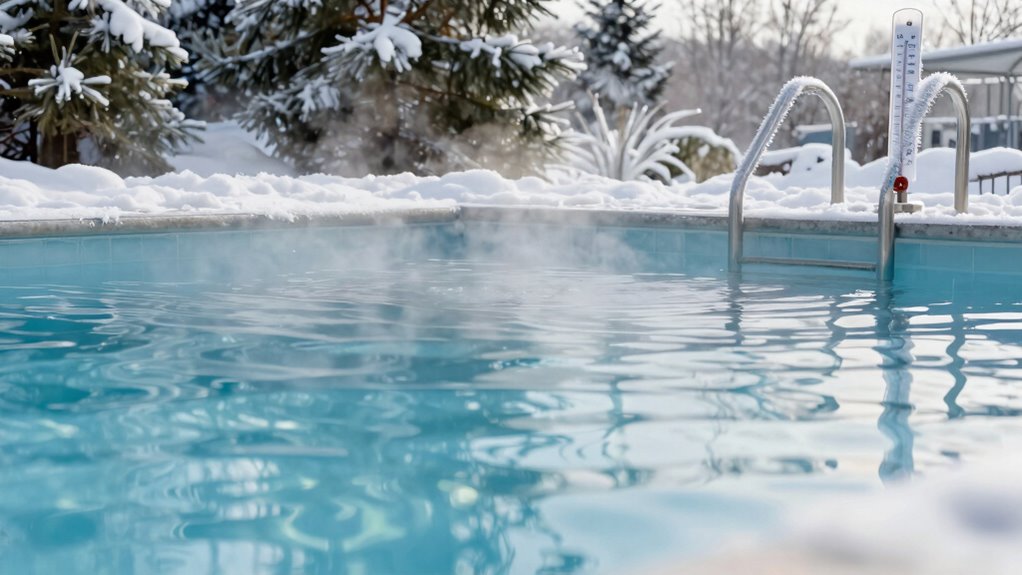
Your personal tolerance levels, water temperature variations, and how long you stay immersed all influence what’s safe for you. These factors can make a big difference in how your body responds during a cold plunge. Understanding them helps you avoid risks and optimize your experience. Additionally, being aware of precious metal investment options can inform your approach to health and wellness investments, emphasizing the importance of trusted resources. Recognizing the impact of temperature on the body can further tailor your cold plunge routine for safety and effectiveness. Monitoring water quality standards is also essential to ensure a safe and hygienic cold plunge environment. Considering the body’s natural responses can help you better prepare and adapt your routine for maximum safety.
Personal Tolerance Levels
Personal tolerance to cold plunges varies based on several key factors. Your mental resilience influences how well you manage discomfort, while physiological responses determine how your body reacts to cold exposure. If you have a strong mental game, you may handle colder temperatures safely. Conversely, weaker resilience can increase risk at higher temps. Your body’s adaptive responses, like blood flow and shivering, also affect your safety threshold. To better understand these influences, consider this table:
| Factor | Impact on Tolerance |
|---|---|
| Mental resilience | Enhances ability to endure cold |
| Physiological responses | Affects how your body reacts to cold |
Understanding pool terminology and how your body responds to cold exposure helps you set personalized, safe cold plunge temperatures aligned with your unique capacity. Additionally, awareness of thermal regulation mechanisms can assist in predicting your comfort and safety levels during cold exposure. Recognizing the importance of cold adaptation can further support your ability to safely extend your tolerance over time.
Water Temperature Variations
Several factors influence what constitutes a safe cold plunge temperature for you. Water temperature variations depend on several elements that affect how your body responds. Water density, which can be affected by temperature and impurities, influences heat transfer efficiency. Heavier, denser water conducts heat away from your body more efficiently, making colder temperatures feel more intense. Thermal conductivity, a property of water that determines how quickly heat is transferred, with high thermal conductivity causing rapid heat loss, so even small temperature drops can have a big impact. Environmental conditions such as air temperature, wind, and humidity can alter how cold the water feels and how quickly your body loses heat. Water sources and freshness also matter—natural bodies of water may have temperature fluctuations, while controlled pools maintain consistent temperatures, affecting safety levels. Additionally, Free Floating techniques can help your body adapt to temperature changes and improve safety during cold plunges. Understanding these factors helps you gauge safe cold plunge temps and avoid risks, especially considering water properties like thermal conductivity and density that influence heat transfer. Recognizing how water composition impacts temperature stability can also aid in maintaining safe and effective cold plunge practices.
Duration of Immersion
The length of time you can safely stay in a cold plunge depends on various factors that influence how your body responds to cold exposure. Key among these is your body’s ability to regulate temperature through temperature regulation mechanisms. As immersion duration increases, your body loses heat more rapidly, raising the risk of hypothermia or cold shock. To guarantee safety, limit your immersion based on your comfort level, experience, and the coldness of the water. Shorter durations are advisable when temperatures are very low, especially for beginners. Pay close attention to signs of cold stress, and don’t push beyond your limits. Properly managing immersion duration helps your body adapt gradually while minimizing the dangers associated with prolonged cold exposure. Additionally, understanding your cold tolerance can help you determine safe time limits for immersion. Recognizing individual differences in cold response is crucial for tailoring safe cold plunge practices, and being aware of cold adaptation can improve your safety and comfort during these activities. A good understanding of body response mechanisms can further aid in customizing your cold plunge routines effectively. For example, gradually increasing exposure time can help your body develop cold resilience, making future dips safer.
How to Recognize When You’re Too Cold During Your Plunge?
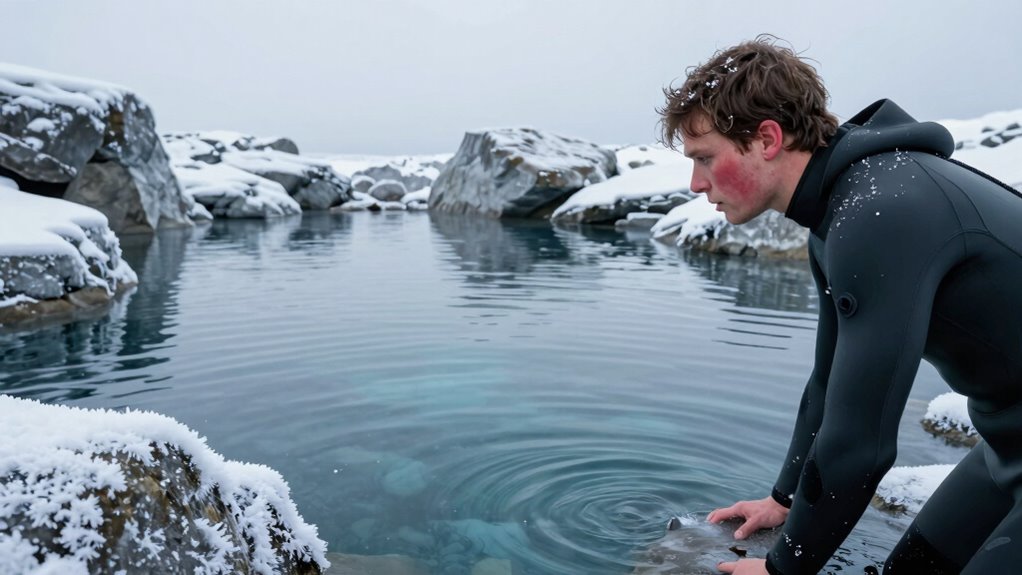
Recognizing when you’re too cold during your plunge is essential to guarantee safety and avoid hypothermia. If you push past your limits, you increase the hypothermia risk and risk frostbite warning signs. Watch for these signals:
- Shivering uncontrollably, which indicates your body struggles to maintain warmth.
- Numbness or tingling in fingers, toes, or lips, signaling early frostbite warning signs.
- Dizziness or disorientation, showing your core temperature may be dropping dangerously. Monitoring body temperature with a thermometer can provide more precise insights into your condition.
- Cold, pale, or mottled skin, which suggests tissue damage or severe cold exposure.
- Being aware of your home environment and safety measures can help prevent dangerous conditions during your plunge. Additionally, knowing how to monitor body temperature can aid in preventing hypothermia. Recognizing cold exposure symptoms is crucial for early intervention. Setting up emergency response procedures beforehand can further ensure your safety if conditions worsen.
If you experience any of these, exit the water immediately. Staying aware of these indicators keeps your plunge safe and prevents dangerous cold-related injuries.
Expert Tips on Safe Cold Plunge Temperature Ranges

Knowing safe temperature ranges helps make certain you enjoy cold plunges without risking harm. Your individual tolerance, however, can vary based on factors like health and experience. Always follow expert recommendations and take precautions to protect yourself during cold exposure. For example, being aware of piercing care and hygiene can prevent complications if you have body piercings that are exposed to cold water. Additionally, understanding individual tolerance levels can help you tailor your cold plunge experience safely.
Safe Temperature Benchmarks
While cold plunges can offer numerous benefits, it’s essential to stay within safe temperature ranges to avoid health risks. Maintaining proper benchmarks helps prevent thermal shock and hypothermia risk. Experts recommend:
- Keep water temperature between 50°F and 59°F (10°C to 15°C) for safe immersion.
- Avoid plunging below 50°F (10°C) unless experienced, as colder temps increase thermal shock risk.
- Limit initial sessions to 3-5 minutes to reduce hypothermia risk.
- Always monitor your body’s response and exit immediately if you feel dizzy or numb.
Sticking to these benchmarks ensures you enjoy the benefits while minimizing dangers. Proper temperature control helps prevent thermal shock and hypothermia, making your cold plunge experience safe and effective.
Individual Tolerance Factors
Your individual tolerance to cold plunges varies based on factors like age, fitness level, body composition, and prior experience. These differences create notable individual variations in how cold you can comfortably tolerate. Some people have higher tolerance variability, allowing them to handle colder temperatures with less discomfort, while others may find even mildly cold water challenging. Age can influence circulation and recovery, impacting comfort levels. Fitness and body fat percentage also play roles—more muscular or lean individuals might experience different sensations than those with higher body fat. Prior exposure and acclimation can increase your tolerance over time. Recognizing these individual differences helps you tailor cold plunge temperatures safely, avoiding discomfort or adverse reactions while maximizing potential benefits.
Precautions for Cold Exposure
To safely enjoy cold plunges, it’s important to understand proper temperature ranges and set limits that prevent adverse effects. Falling below recommended temperatures increases the hypothermia risk and can cause skin irritation. To stay safe:
- Never stay in water colder than 50°F (10°C) for extended periods.
- Limit your session to 10-15 minutes to avoid hypothermia.
- Always dry and warm your skin afterward to prevent skin irritation.
- Listen to your body—if you feel numbness, dizziness, or discomfort, exit immediately.
Taking these precautions helps you enjoy cold plunges without risking harm. Proper temperature management and awareness of your limits are essential for safe, effective cold exposure.
How to Gradually Get Used to Colder Water Safely
Adjusting to colder water safely requires a gradual approach that minimizes shock and discomfort. Start by incorporating breathing techniques, such as deep, slow breaths, to help calm your nervous system before entering the cold. Focus on mental preparedness by visualizing a positive experience and setting realistic goals. Begin with shorter dips in mildly cold water, gradually decreasing the temperature over days or weeks. Always listen to your body, and don’t push beyond your comfort zone too quickly. Practice controlled breathing during each immersion to prevent hyperventilation and reduce cold shock response. Consistency is key; over time, your body adapts, making colder water more tolerable and safer. Patience and mindfulness are essential to building resilience safely.
Frequently Asked Questions
How Does Individual Health Influence Cold Plunge Temperature Safety?
Your personal health and individual tolerance greatly influence cold plunge temperature safety. If you have heart issues, respiratory problems, or compromised immunity, colder temperatures may pose risks. You should listen to your body and adjust the temperature accordingly. Always start with milder temperatures to gauge your tolerance, and consult a healthcare professional if you’re unsure. Prioritizing your health ensures a safe and beneficial cold plunge experience.
Can Cold Water Immersion Have Long-Term Health Effects?
Cold water immersion can have long-term health effects, both positive and negative. Regular exposure might boost your immune response and improve circulation, but it also risks cold shock and hypothermia if not done safely. Over time, consistent cold plunges could enhance your resilience to cold and reduce inflammation. However, you should always listen to your body and consult a healthcare professional to prevent adverse effects.
Are There Specific Guidelines for Children or Seniors Regarding Cold Plunges?
Precautionary protocols promote proper temperature regulation for children and seniors during cold plunges. You should follow age-specific guidelines because their bodies respond differently to cold exposure. For kids, keep temperatures gentle and gradual, while seniors need careful, conservative cooling. Always consult healthcare providers before plunging, and pay attention to warning signs. Prioritizing safety guarantees you protect vulnerable ages while enjoying the benefits of cold water immersion.
How Does Acclimatization Impact Safe Temperature Thresholds?
Acclimatization improves your tolerance development, allowing you to handle colder temperatures safely over time. As you adapt, your body benefits from increased circulation and better heat regulation, which enhances safety during cold plunges. By gradually lowering the temperature and increasing exposure, you build adaptation benefits that make colder plunges more manageable. Remember, patience is key—rushing can increase risks, so listen to your body as you develop your cold tolerance.
What Are the Risks of Exceeding Recommended Cold Plunge Durations?
They say “better safe than sorry,” so avoid exceeding recommended cold plunge durations. If you push too long, you increase hypothermia risks and the chance of skin injury. Prolonged exposure can lower your body temperature dangerously, leading to numbness, shivering, and even more serious health issues. Stay within safe limits to enjoy the benefits without risking your health, and always listen to your body’s signals.
Conclusion
Remember, venturing into icy waters is like walking a tightrope between Hercules’ strength and Icarus’ folly. Stay within safe temperature ranges, listen to your body, and gradually build tolerance. By respecting the “too cold” threshold, you’ll harness the benefits of cold plunges without risking a fall from the heights of health. Embrace the chill wisely, and you’ll emerge stronger—like a modern-day Odysseus, resilient and wise on your icy journey.