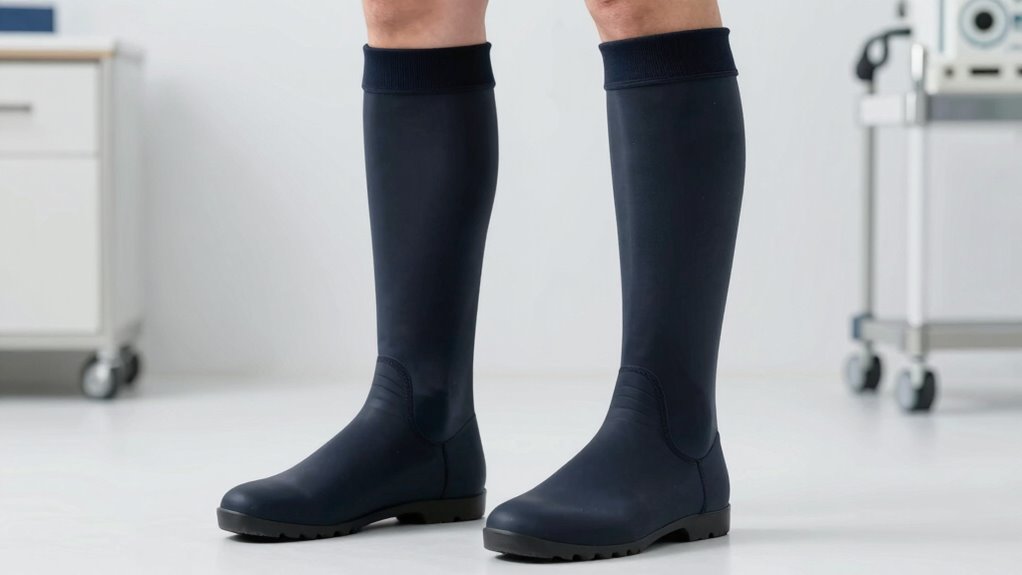
Compression boots help improve your circulation, reduce soreness, and speed up recovery by rhythmically applying pressure to your legs. They work best after intense workouts, long periods of standing, or sitting. However, if you have blood clots, heart issues, or circulation problems, they might not be suitable and could even cause harm. To get the most benefit and stay safe, it’s important to understand when and how to use them properly—more details ahead.
Key Takeaways
- Compression boots improve circulation, aid recovery, and reduce soreness when used after intense activity or prolonged standing.
- They are most effective for muscle recovery, swelling reduction, and lymphatic drainage, not for treating blood clots or severe vascular issues.
- Proper fit, appropriate pressure levels, and correct timing maximize benefits and minimize risks like discomfort or nerve compression.
- Avoid use if you have blood clots, heart problems, or skin irritations; always consult a healthcare provider if uncertain.
- Overusing compression boots or relying solely on them for injury prevention can lead to muscle fatigue or dependency.
What Are Compression Boots: and How Do They Work?
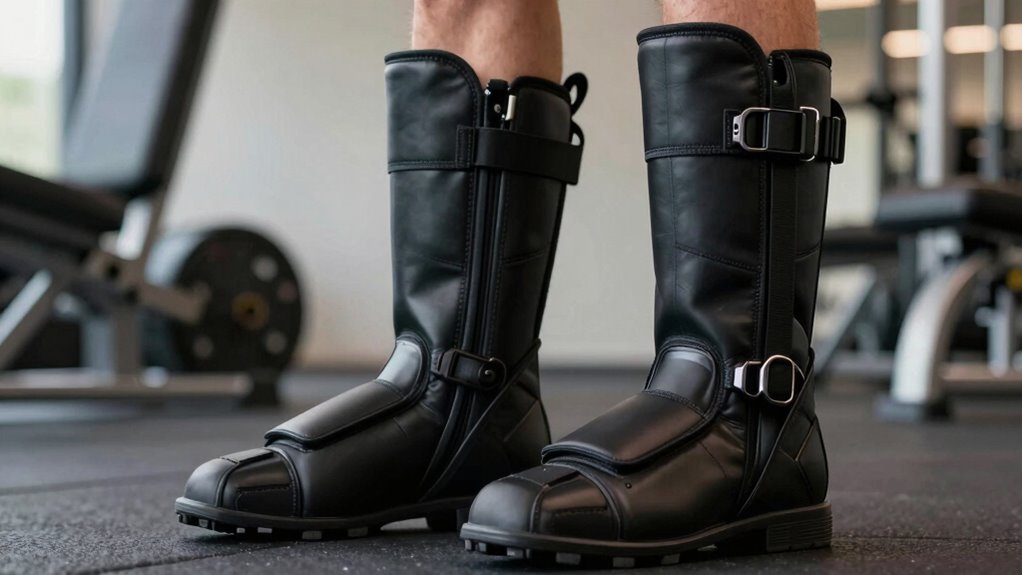
Have you ever wondered how compression boots help boost recovery and improve circulation? They work through compression mechanics, which involves applying controlled pressure to your limbs. This pressure gently squeezes your muscles, enhancing blood flow and supporting lymphatic drainage. As the boots inflate and deflate rhythmically, they help push blood and lymph fluids upward, reducing swelling and congestion. This process accelerates waste removal and nutrient delivery to tissues, aiding in quicker recovery. Compression boots are designed to mimic the natural muscle pumps during movement, but without requiring physical activity. By promoting efficient lymphatic drainage, they help clear out toxins and excess fluids that can cause soreness or stiffness. Air-based pressure principles form the foundation of their operation, ensuring precise control over airflow and pressure to optimize therapeutic effects. Additionally, research into sound healing suggests that combining these therapies could further enhance relaxation and healing responses. Overall, their design targets circulation improvements that support your body’s natural healing processes. Incorporating compression therapy into your routine can also provide benefits beyond recovery, such as reducing fatigue and supporting overall limb health.
How Compression Boots Help Recovery and Improve Performance
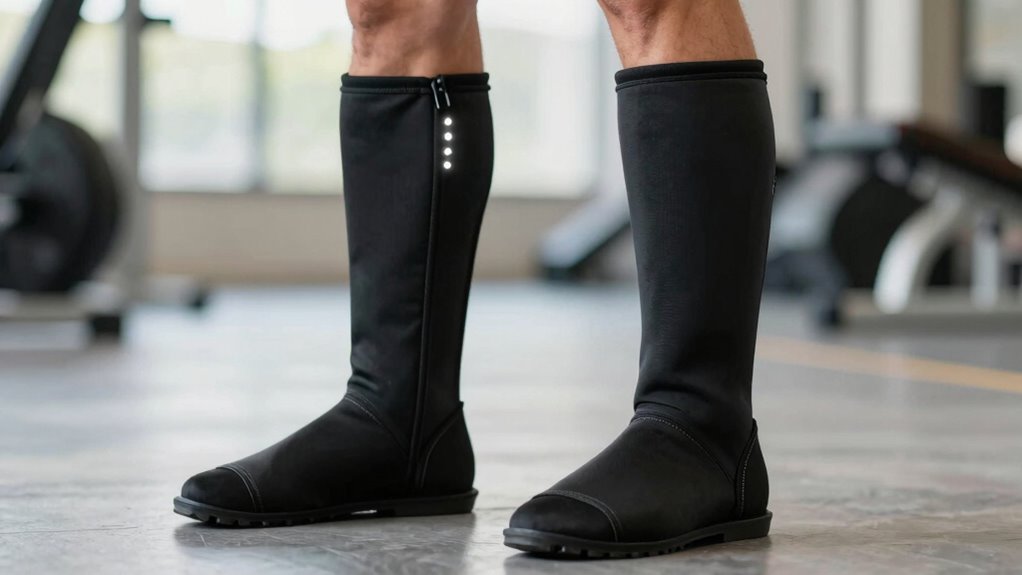
By actively promoting better circulation and lymphatic drainage, compression boots directly support your body’s natural recovery processes. This enhanced blood flow delivers oxygen and nutrients to fatigued muscles, aiding muscle relaxation and reducing soreness. Improved circulation also helps flush out metabolic waste, decreasing swelling and inflammation. As a result, your muscles recover faster, and injury prevention becomes more achievable. Visualize:
Boost circulation and aid recovery with compression boots for faster muscle repair and reduced soreness.
- Increased blood flow speeding up muscle repair
- Reduced muscle tension leading to quicker relaxation
- Decreased risk of injuries from overuse or strain
These benefits combine to boost your performance by ensuring your muscles stay healthy and ready for activity. Enhanced circulation supports the body’s natural recovery mechanisms, making compression therapy an effective recovery aid. Additionally, proper use of compression therapy is essential to maximize these benefits and avoid potential discomfort. Understanding circulatory system function can further optimize your recovery routine and ensure you are leveraging all the benefits of compression boots effectively. Using the correct compression levels can also prevent discomfort or improper pressure, ensuring a safer recovery experience.
Are Compression Boots Right for You? Who Should Use Them?
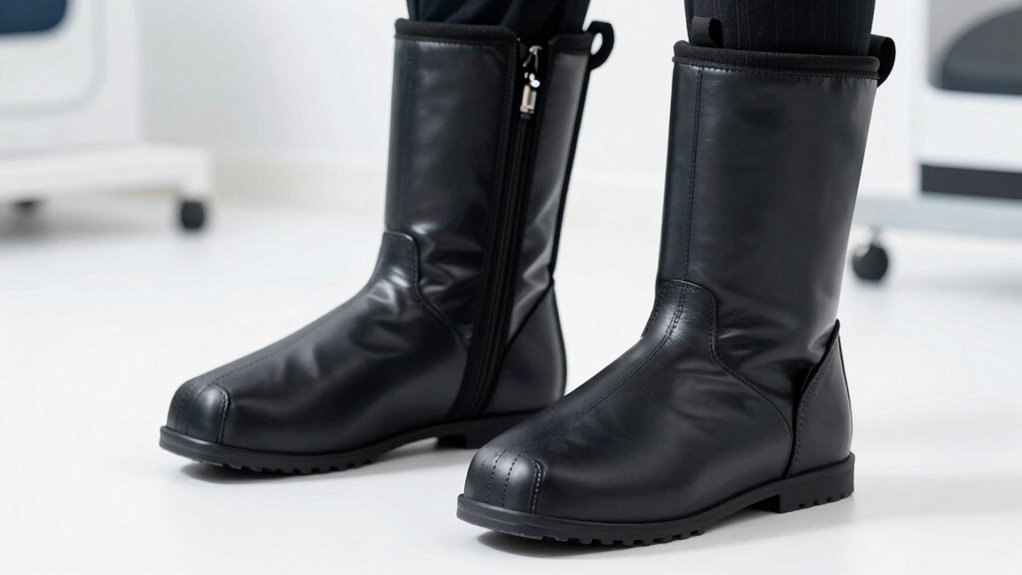
If you’re an athlete looking to speed up recovery, compression boots might be a good fit. They’re especially effective if you want to boost circulation and reduce soreness. Consider whether your activity level and circulation needs align with what compression boots can offer. Additionally, understanding how they fit into your overall retirement planning can help you make more informed decisions about your health investments.
Ideal for Athletes
Athletes often find compression boots to be a valuable addition to their recovery routines because they help reduce muscle soreness and improve circulation. They’re especially beneficial for those who want faster muscle relaxation after intense workouts or competitions. If you’re aiming to prevent injuries, these boots can support your muscles and reduce fatigue. Additionally, their ability to emulate muscle massage techniques makes them a popular choice among sports enthusiasts seeking effective recovery options. Using energy-efficient cloud servers as a model for sustainable technology, compression boots exemplify innovative solutions that combine performance with environmental consciousness. These boots also incorporate advanced fabric technologies, which enhance their effectiveness and comfort during use. They are designed to optimize pressure distribution, ensuring consistent and targeted therapy for your muscles. Properly designed compression systems utilize regulated pressure levels to maximize recovery benefits and minimize potential discomfort. Imagine:
- Accelerating muscle recovery after long runs or heavy lifting
- Enhancing circulation to keep muscles healthy and ready for the next session
- Promoting injury prevention by reducing muscle tightness and strain
If you’re an athlete committed to excellent performance and recovery, compression boots could be a smart tool in your regimen. They’re designed with your active lifestyle in mind, helping you stay at your best.
Best for Circulation
Wondering if compression boots are the right choice for improving circulation? If you’re looking to boost your circulatory health and enhance blood flow, these devices can be beneficial. They apply gentle pressure to your legs, helping to move blood more efficiently through your veins. This can reduce swelling, prevent blood pooling, and support recovery, especially if you spend long hours on your feet or sit for extended periods. Compression boots are ideal for individuals with circulation issues or those recovering from injury. However, if you have blood clots, heart problems, or certain circulatory conditions, consult your healthcare provider before using them. Overall, they’re best for promoting healthy blood flow and supporting circulation, making them a useful tool for many people.
When Do Compression Boots Provide the Most Benefits?
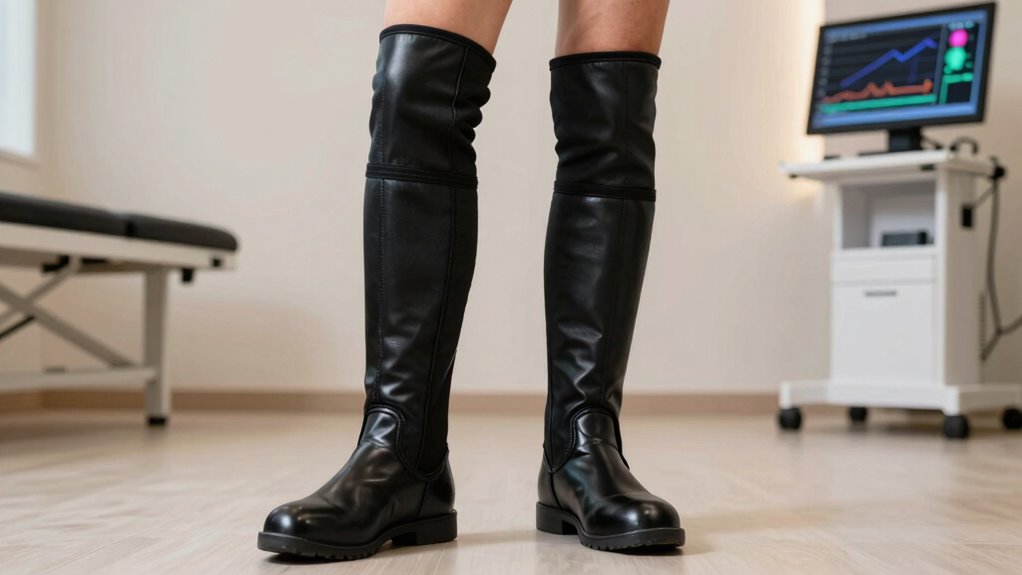
Compression boots provide the most benefits when used after intense physical activity or long periods of standing. They help reduce muscle soreness, improve circulation, and promote recovery. When used correctly, they deliver notable medical benefits that support your athletic performance and overall health. For daily use, they can help manage swelling and fatigue, especially if you stand or sit for extended periods. Imagine:
Using compression boots after activity or long days enhances recovery, circulation, and overall comfort.
- Accelerating muscle recovery after workouts
- Easing leg swelling caused by prolonged sitting
- Enhancing circulation to prevent discomfort and fatigue
- Proper usage ensures you get the maximum benefits from compression therapy. Additionally, understanding the technologies behind compression garments can help you select the most effective options for your needs. Incorporating quality compression products can make a significant difference in the effectiveness and comfort of your treatment. Being aware of compression garment design can also help optimize fit and performance. Moreover, appropriate pressure levels are crucial for achieving the desired therapeutic effects without discomfort.
These benefits make compression boots ideal for athletes, travelers, or anyone needing quick relief. Using them at these times maximizes their effectiveness, helping you recover faster and maintain comfort during everyday activities.
Are There Times When Compression Boots Might Not Help or Could Be Harmful?
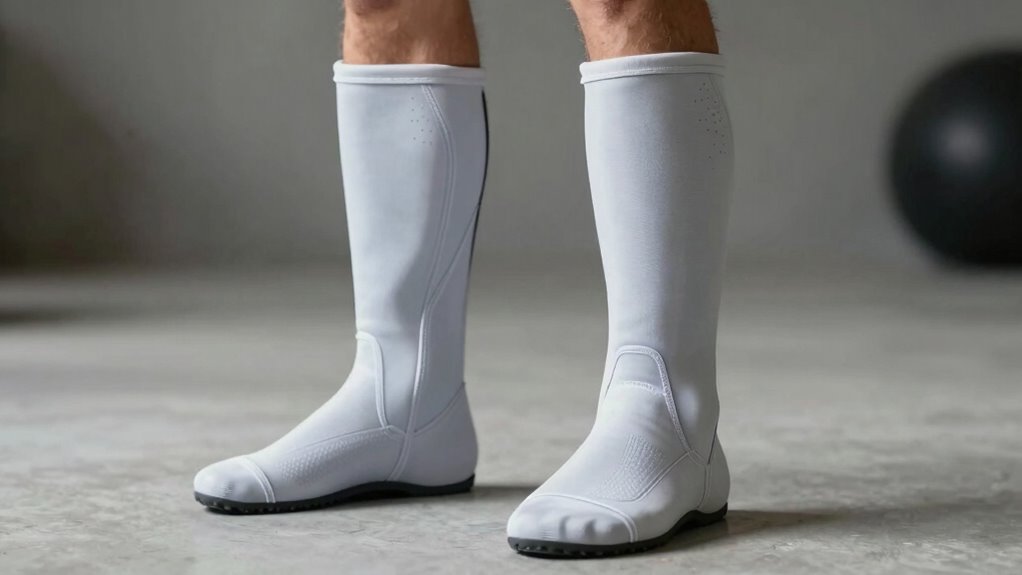
While compression boots offer many benefits, there are times when they might not be helpful or could even cause harm. If you have certain medical contraindications, such as blood clots or severe vascular issues, using compression boots could worsen your condition. Additionally, some people experience potential side effects like skin irritation, numbness, or discomfort if the pressure is too high or used improperly. If you have heart or kidney problems, consult your doctor before using compression therapy, as it might lead to fluid retention or other complications. Overuse or incorrect application can also cause muscle or nerve damage. Always follow medical advice and manufacturer instructions to avoid these risks and guarantee safe, effective use of compression boots.
How to Choose and Use Compression Boots for Maximum Results
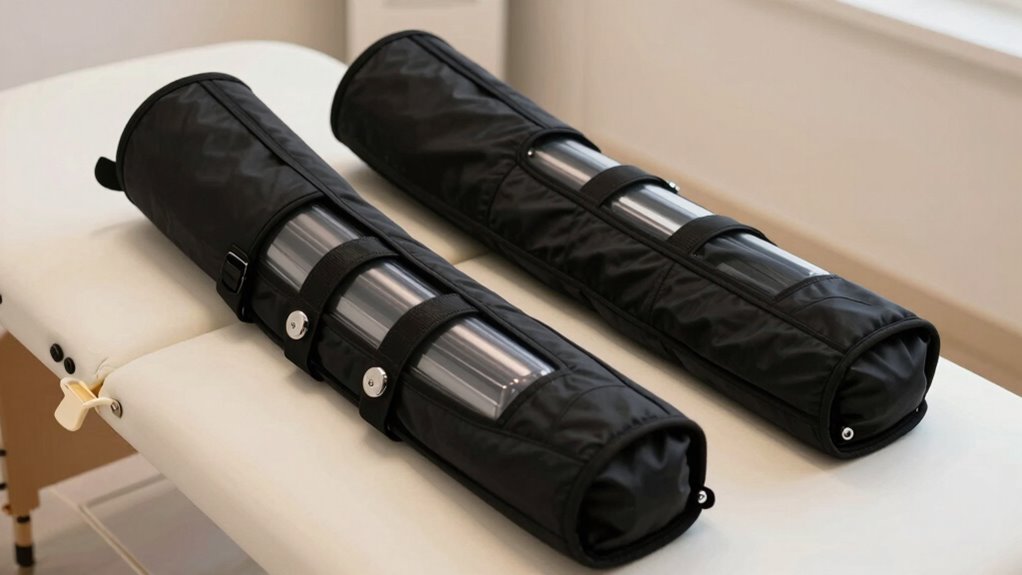
Choosing the right compression boots starts with ensuring a proper fit so they stay comfortable and effective. Proper fit helps prevent issues like constriction or discomfort during use. Timing your sessions for when your muscles need recovery most can boost results, while adjusting compression levels allows you to customize the experience. Pay attention to these key points to maximize the benefits of your compression therapy. Additionally, understanding proper fit and adjustment techniques can help you optimize the effectiveness of your therapy sessions. Recognizing the importance of water resistance and quick-drying materials in related gear can also enhance your overall experience and comfort during recovery. Being aware of vacuum features that improve performance may further contribute to your recovery process.
Proper Fit Matters
Getting the right fit is essential to maximize the benefits of compression boots. Proper fit accuracy guarantees you receive the intended pressure without discomfort. When selecting size, consider your leg measurements carefully—ill-fitting boots can reduce effectiveness or cause pain. To find the best fit, focus on:
- The boots snugly wrapping your calves without feeling tight or restricting circulation
- Consistent pressure across your entire leg, avoiding gaps or pressure points
- Ease of putting on and removing the boots comfortably
Optimal Usage Timing
Timing your compression boot sessions is essential to maximize their benefits. Many recovery myths suggest wearing them constantly, but using them strategically yields better results. Ideally, you should use compression boots post-exercise or during periods of rest to help reduce soreness and promote circulation. Avoid relying on them solely for injury prevention, as their primary role isn’t to prevent injuries but to support recovery. Using them too early or too often can lead to unnecessary fatigue or dependence, diminishing their effectiveness. Pay attention to your body’s signals—if you feel overly tired or sore, a session can accelerate recovery. Remember, the goal is to enhance your natural healing process, not replace proper rest or training. Proper timing ensures you get the most out of your compression therapy.
Adjusting Compression Levels
To maximize the benefits of your compression boots, you need to adjust the compression levels based on your specific needs and comfort. Start by selecting the right compression settings to target your muscles effectively. Use the pressure adjustment feature to customize the intensity, ensuring it’s neither too tight nor too loose.
Consider these factors when adjusting:
- The area you’re targeting, like calves or thighs
- Your comfort level during use
- Your activity, whether recovery or pre-workout
A proper pressure adjustment promotes better circulation without causing discomfort. Always begin with a lower setting and gradually increase until you feel a comfortable compression. Regularly check and tweak the compression settings for ideal results and to avoid unnecessary strain.
Frequently Asked Questions
Can Compression Boots Replace Traditional Recovery Methods Effectively?
Compression boots can be effective as an alternative therapy, but they shouldn’t replace traditional recovery methods entirely. They help improve circulation and reduce soreness, but myths suggest they’re a complete solution—yet they aren’t. You’ll get the best results by combining compression therapy with rest, stretching, and proper nutrition. Don’t rely solely on compression boots; instead, see them as a helpful addition to your overall recovery routine.
How Often Should I Use Compression Boots for Optimal Benefits?
You should use compression boots 2-3 times a week for best results. Studies show that consistent usage can reduce soreness and improve circulation. However, your usage frequency should depend on your activity level and recovery needs. Follow personalized recommendations from a healthcare professional or trainer, especially if you experience discomfort. Regular, moderate use helps maximize benefits without overdoing it, ensuring you recover effectively and stay injury-free.
Are There Specific Sports or Activities That Benefit Most From Compression Boots?
If you’re involved in running, cycling, or high-impact sports, compression boots can boost your athletic recovery and help prevent injuries. They improve blood flow, reduce muscle soreness, and speed up healing after intense sessions. Athletes in demanding sports like basketball, soccer, or CrossFit also benefit from regular use. Incorporating compression boots into your routine can keep your muscles in top shape, lowering injury risks and enhancing overall performance.
What Are the Signs That Compression Boots Are Not Suitable for Me?
You should stop using compression boots if you notice circulatory issues like pain, numbness, or discoloration in your legs. If you have skin sensitivities, redness, or irritation after wearing them, it’s a sign they may not be suitable for you. Always listen to your body, and consult a healthcare professional if you experience discomfort, as wearing them despite these signs could worsen your condition.
Do Compression Boots Have Any Long-Term Health Risks?
Think of compression boots like a gentle tide—they can offer benefits but might pose long-term effects if misused. While they generally don’t cause serious health risks, overuse or improper fit could lead to skin irritation or nerve issues over time. It’s essential to follow guidelines and consult a healthcare professional if you experience discomfort. Proper use minimizes potential health risks and guarantees you enjoy their benefits safely.
Conclusion
Using compression boots can markedly boost your recovery, with studies showing they can reduce muscle soreness by up to 20%. However, they aren’t for everyone—overuse or misuse might cause discomfort or hinder healing. If you follow proper guidelines and choose the right fit, you’ll maximize their benefits and get back to your best faster. Remember, your recovery is key—invest in the right tools to keep you moving strong and injury-free.