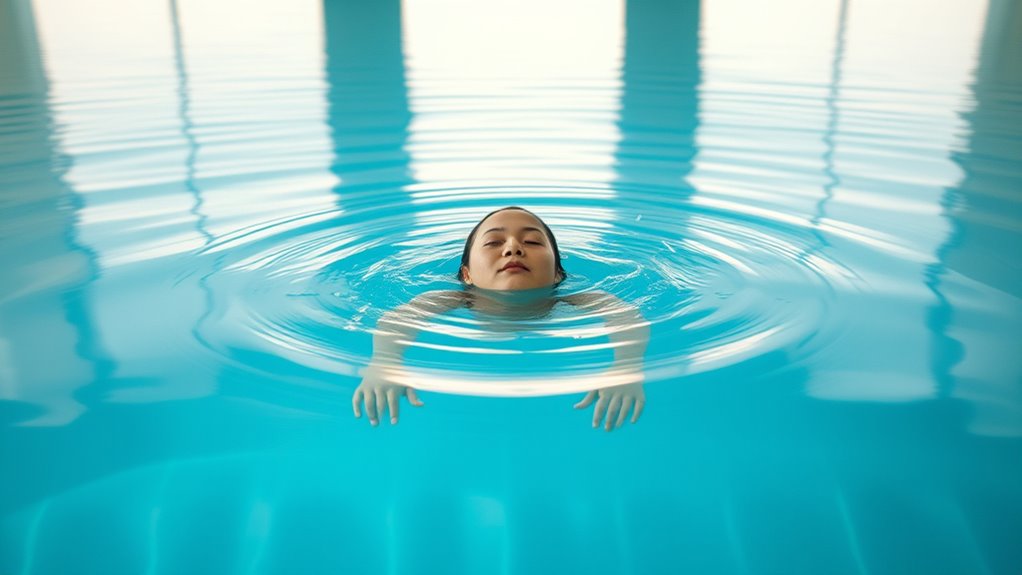

To practice mindfulness in the pool, focus on your breath, matching it with your strokes to create a calming rhythm. Swim slowly and intentionally, paying attention to each movement and sensation in the water. Find a steady tempo that helps you relax and feel present in the moment. As you master these elements, you’ll discover how flow and tranquility naturally emerge, leading to a more centered and peaceful experience—continue to explore how these techniques can transform your swim.
Key Takeaways
- Synchronize your breathing with strokes to establish a calming, rhythmic flow during swimming.
- Focus on slow, deliberate movements and steady tempo to promote mindfulness and mental clarity.
- Pay close attention to water sensations and muscle engagement to deepen awareness and presence.
- Maintain a gentle, sustainable pace to facilitate effortless, meditative flow in the water.
- Use swimming as a form of moving meditation, cultivating calmness and emotional balance through mindful practice.
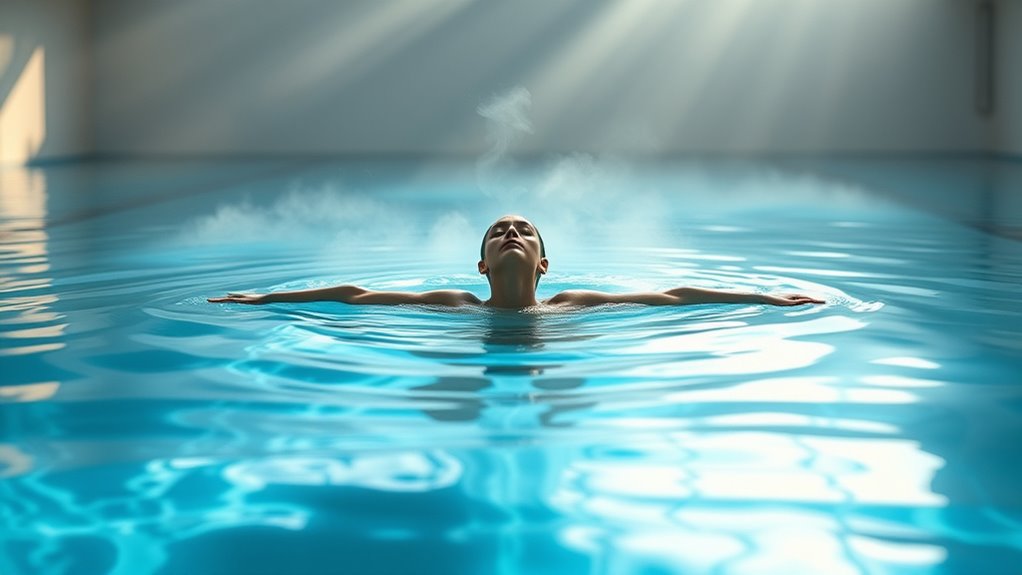
Swimming offers more than just physical exercise; it’s an ideal setting to practice mindfulness. As you move through the water, you have the opportunity to cultivate a deep sense of awareness by focusing on your breath, your movements, and the sensation of the water surrounding you. One effective way to do this is by incorporating meditative strokes into your routine. These strokes aren’t about speed or efficiency but about grounding yourself in the rhythm of your body and the water. You might choose to swim slowly, emphasizing each arm pull and glide, paying attention to how your muscles feel as they work. This gentle, deliberate style helps quiet your mind and brings your focus to the present moment.
Embrace mindful swimming by focusing on breath, movement, and water sensations to cultivate calm and presence.
Calming routines, such as slow, controlled laps, can serve as a form of meditation in motion. As you settle into a steady pace, you begin to synchronize your breathing with your strokes, creating a natural flow that calms your nervous system. To enhance this, consider consciously slowing your inhale and exhale, making each breath deliberate and smooth. This focus on breathing helps anchor your awareness, making it easier to stay present in the moment rather than getting lost in thoughts or worries. The rhythm of your breath, combined with the fluidity of your strokes, fosters a sense of harmony and tranquility that extends beyond the pool.
Flow is central to mindfulness in the water. When you’re fully engaged in your swimming, you experience a state of flow—where your movements feel effortless, and your mind is clear. This state emerges when your breathing, strokes, and pace are aligned, allowing you to be completely immersed in the activity. Practicing meditative strokes and calming routines helps you enter this flow state more easily. It’s not about pushing yourself to the limit but about finding a gentle, sustainable rhythm that keeps you present and focused. Over time, this mindful approach transforms swimming from a mere workout into a soothing practice that nurtures mental clarity and emotional balance.
In essence, by paying close attention to your breathing, maintaining a steady tempo, and engaging in calming routines, you turn each swim into an act of mindfulness. The water becomes your sanctuary, and your strokes become a form of meditation. Through consistent practice, you’ll discover that swimming isn’t just good for your body—it’s a powerful tool for cultivating inner calm and presence, helping you carry that serenity into everyday life.
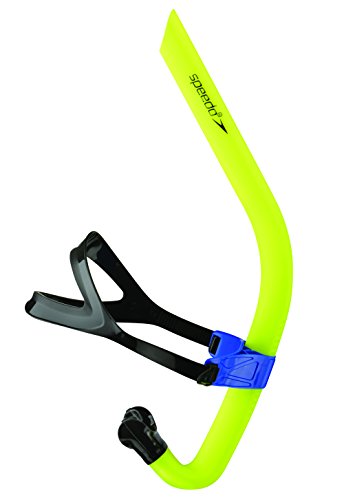
Speedo Unisex-Adult Swim Training Snorkel Bullet Head
- Hydrodynamic Design: Engineered for minimal water resistance
- Stable at High Speeds: Minimalist design ensures stability
- Comfortable Headband: Padded TPR headband prevents pinching
As an affiliate, we earn on qualifying purchases.
As an affiliate, we earn on qualifying purchases.
Frequently Asked Questions
Can Beginners Easily Practice Mindfulness While Swimming?
Yes, beginners can easily practice mindfulness while swimming by focusing on meditative strokes and sensory awareness. As you swim, pay close attention to your breath, the sensation of water on your skin, and the rhythm of your strokes. Keep your movements slow and deliberate, allowing your mind to stay present. This simple focus helps you stay centered, making mindfulness accessible even if you’re new to swimming.
How Does Mindfulness Impact Swimming Performance?
Mindfulness boosts your swimming performance by enhancing mental resilience and focus. When you practice meditative visualization, you stay calm and confident, even in tough conditions. This mental clarity helps you maintain a steady tempo, reduce anxiety, and improve your overall flow in the water. By staying present, you can better adapt to challenges, conserve energy, and ultimately swim more efficiently and with greater enjoyment.
Are There Specific Breathing Techniques for Pool Mindfulness?
Breath control in the pool is like steering a boat smoothly through water. You should focus on slow, deliberate inhalation techniques, such as inhaling steadily through your nose or mouth as you turn your head or roll onto your side. Exhale fully underwater to maintain a calm rhythm. These specific breathing techniques help you stay present, reduce stress, and improve your overall swimming flow, making each stroke more mindful and efficient.
What Are Common Challenges in Maintaining Flow During Laps?
You might struggle with maintaining flow during laps due to inconsistent stroke efficiency and mental resilience. Distractions or fatigue can disrupt your rhythm, making it hard to stay present. To overcome these challenges, focus on steady breathing and mindful pacing. Building mental resilience helps you stay calm when distractions arise, improving your flow. Consistent practice and awareness of your body’s movements are key to sustaining a smooth, focused lap.
Can Mindfulness in the Pool Help With Anxiety Outside Swimming?
Yes, practicing mindfulness in the pool can help with anxiety outside swimming. By cultivating mindful awareness during your swim, you learn to stay present and manage your emotions better. This emotional regulation translates to everyday life, helping you stay calm during stressful moments. The focus on breath and flow in the water trains your mind to remain grounded, reducing anxiety and fostering a sense of calm beyond the pool.
Conclusion
As you finish your swim, remember that mindfulness is all about being present in the moment. Focus on your breath, your tempo, and the flow of the water around you. Just like the saying goes, “Slow and steady wins the race,” embracing calm and consistency helps you find peace in every stroke. Keep practicing these mindful habits, and you’ll discover that swimming becomes not just exercise, but a soothing meditation in motion.