
TL;DR

Get pool and patio gear delivered free — and shop member deals
- Fast, free delivery on millions of items
- Access to Prime Big Deal Days deals on October 6–7
- Prime Video, Amazon Music and more included
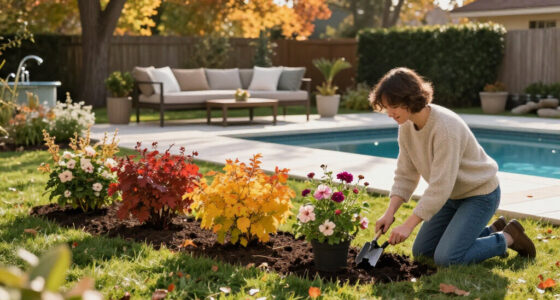
Country Living’s fall-garden guide recommends removing dead annuals and roots, loosening soil and working in compost before planting. It advises against fall pruning, which horticulture educator Nancy Kuhajda says can spur growth vulnerable to a cold snap.
Country Living’s fall-garden guide recommends three steps before planting: remove spent annuals and roots, loosen the soil, and add compost or manure. It also advises gardeners to skip pruning in fall, citing University of Illinois Extension horticulture educator Nancy Kuhajda’s warning that new growth prompted by pruning could be damaged by a cold snap.
The first task is to clear out dead or faded annuals, including their roots, and pull weeds. Perennials that are still growing may be trimmed if needed, but the guide suggests leaving their seedheads where possible. Kuhajda says birds and other wildlife can use seedheads and berries on dormant plants as a winter food source. Gardeners who want to limit self-seeding can instead cut flower heads with a sharp pruning tool.
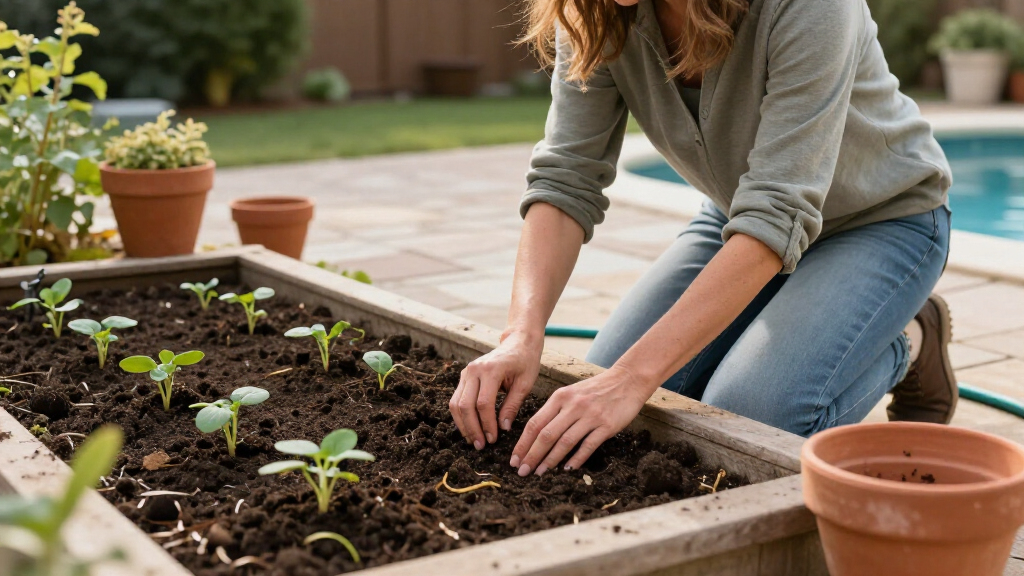
The report says summer heat can leave soil dry and compact. After weeding, gardeners can use a shovel to break up clumps and turn over the soil. It also recommends considering a soil test, especially if the garden has not been tested in several years, so nutrient needs can be identified before fertilizer is applied.
For the third task, the guide recommends mixing compost or manure into the top layer of soil. It says doing this a few weeks before planting is preferable, though adding organic matter closer to planting time can still be useful. Suggested fall plantings include mums and asters, along with vegetables such as kale, collards, beets and broccoli.
Prepare Beds for Fall Crops
These steps give gardeners a practical order of operations before they buy or set out fall plants: clear material that is finished, loosen the growing area, and add organic matter. A soil test can help avoid applying fertilizer without knowing what nutrients the bed needs. Kuhajda also points to a timing consideration for vegetable growers: preparing some soil in fall may help those in cold-weather regions plant early-season crops when spring conditions allow.
The advice also balances tidiness with wildlife habitat. Removing dead annuals clears space, but cutting every perennial seedhead is not necessary. Leaving some standing can provide food for birds, while cutting selected flowers may help prevent them from reseeding. The choice depends on the gardener’s priorities and the plants involved.
As an affiliate, we earn on qualifying purchases.
The Guide’s Four Fall Tasks
The source is a Country Living gardening report on fall bed preparation, not a new agricultural rule or a report of a specific local planting event. Its recommendations are attributed in part to Nancy Kuhajda, identified as a horticulture educator with the University of Illinois Extension.
Kuhajda says fall can be a useful time to prepare soil for crops such as leafy greens, radishes, onions, beets and carrots, particularly in cold-weather regions. Her point is that a long, cold, wet spring can delay planting. The article also frames composting as the decomposition of spent materials into organic matter that can serve as a natural fertilizer.
Local Conditions Shape Timing
The report does not provide region-specific planting dates, soil-test thresholds, or instructions for every plant variety. It also does not establish that all perennials should be left untouched or that every garden bed needs the same amount of compost. Planting windows and care needs vary with local climate, soil and crop, so the guide’s general advice may need to be adapted.
The source says fall pruning can prompt growth that may be killed in a cold snap; it does not claim that this outcome happens to every pruned plant. It also gives mid-winter as Kuhajda’s suggested pruning timing without detailing exceptions for particular species.
Plan Around Your Planting Window
Gardeners following the guide can begin by clearing finished annuals and weeds, then loosen the soil and add compost before planting. Those considering vegetables can check local planting guidance and use a soil test to identify nutrient needs. Where time permits, the report recommends adding compost a few weeks before planting.
The article offers no announced follow-up or scheduled update. Its practical next step is to match crop choices and planting dates to local conditions, while postponing routine pruning until the timing recommended for the plants in question.
Key Questions
What three tasks does the fall-garden guide recommend before planting?
It recommends removing dead or faded annuals and their roots, loosening and turning over the soil, and mixing compost or manure into the top layer.
Why does the guide advise against pruning in fall?
Kuhajda says fall pruning may encourage new growth that could be killed by a cold snap. She recommends leaving pruning until mid-winter, though the report does not give plant-specific exceptions.
Should gardeners remove perennial seedheads?
Not necessarily. Kuhajda says birds and wildlife can use seedheads and berries for food in winter. Gardeners who want to limit self-seeding may choose to cut some flower heads with a sharp tool.
Which vegetables does the report mention for fall or early-season beds?
It names kale, collards, beets and broccoli as fall planting options. Kuhajda also mentions leafy greens, radishes, onions, beets and carrots when discussing soil prepared in fall for early-season crops in cold-weather regions.
Source: rss
Halloween Picks
halloween
As an affiliate, we earn on qualifying purchases.