
TL;DR

Get pool and patio gear delivered free — and shop member deals
- Fast, free delivery on millions of items
- Access to Prime Big Deal Days deals on October 6–7
- Prime Video, Amazon Music and more included
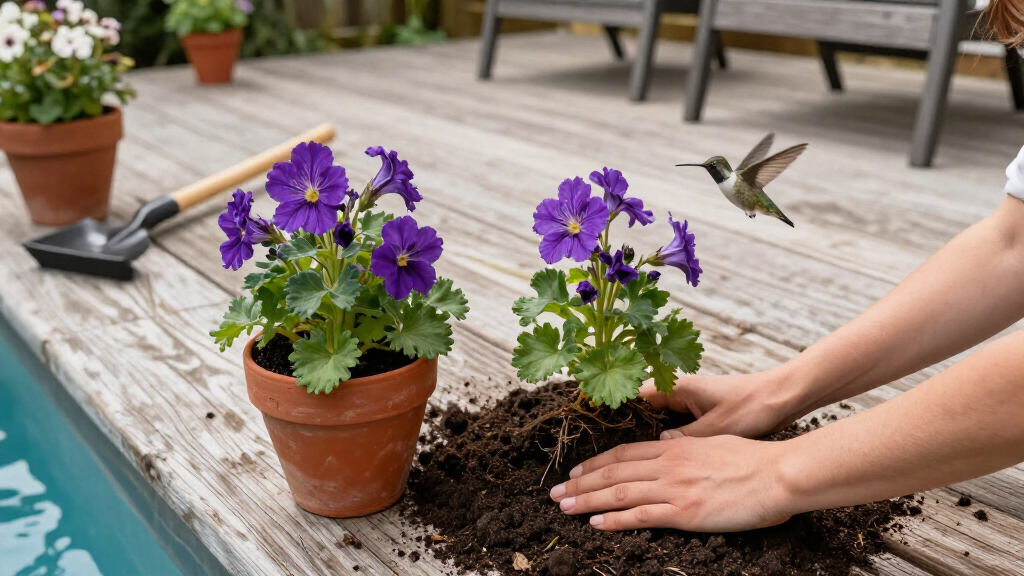
A Homes & Gardens gardening report recommends five purple-flowering plants that may provide nectar for hummingbirds during fall migration: Mexican bush sage, catmint, great blue lobelia, agastache and obedient plant. Bloom times and growing conditions vary by plant and location, and the report does not provide research data showing how many additional hummingbirds a garden will attract.
A Homes & Gardens report has highlighted five purple-blooming plants that may provide nectar for hummingbirds during fall migration, when some spring and summer flowers have faded. Its recommendations are Mexican bush sage, catmint, great blue lobelia, agastache and obedient plant; the report does not quantify how much planting them increases backyard visits.
The report describes fall flowers as a way to help fill a seasonal nectar gap as hummingbirds travel south. It says gardeners need not limit choices to red blooms: purple and blue-purple flowers can also be part of a planting plan. The article attributes hummingbirds’ interest in these colors to their tetrachromatic vision, which includes sensitivity to ultraviolet light.
Several of the recommended plants offer tubular flowers that the report says hummingbirds can feed from. Mexican bush sage blooms from late summer into fall and is listed for USDA hardiness zones 8–10. Catmint, listed for zones 3–9, can continue flowering into fall, with the timing depending on variety; removing spent flowers and leggy growth after its first flush may encourage another bloom.
Great blue lobelia (Lobelia siphilitica), listed for zones 4–9, typically flowers from July through October and does best in moisture-retentive soil, according to the report. Agastache, also called hummingbird mint or hyssop, is listed for zones 5–10 and may bloom from early summer until the first frost. Obedient plant (Physostegia virginiana), listed for zones 3–9, produces pink or lavender flower spikes and can continue blooming until frost.
Flowers for the Fall Nectar Gap
The recommendations address a practical seasonal problem for gardeners: flower availability can decline in fall, even as migrating hummingbirds still need food along their route. Plants with overlapping bloom periods may provide nectar later in the season than a garden reliant on flowers that peak in spring or midsummer.
The suggested plants also have different requirements, so a mix should be chosen for local conditions rather than color alone. The report advises full sun and well-draining soil for Mexican bush sage, catmint and agastache, while great blue lobelia prefers wetter ground. Obedient plant tolerates a broader range of conditions. These differences matter because a plant that does not suit a yard’s soil, moisture or climate may not establish or flower as expected.
The story’s headline promises more backyard visitors, but the source provides no measured visitor increase or comparison with unplanted gardens. The grounded takeaway is that these flowers can offer potential nectar sources; whether hummingbirds visit depends on factors such as location, bloom timing and available habitat.
As an affiliate, we earn on qualifying purchases.
Five Plants and Their Bloom Seasons
The Homes & Gardens report frames the list around late-season flowering, rather than treating every plant as a flower that begins blooming only in autumn. Catmint, for example, is described as a summer bloomer that may keep flowering into fall, while agastache can flower for much of the growing season. These distinctions affect when nectar may be available.
Its plant guidance includes hardiness-zone ranges, but those ranges are not a guarantee of performance in every garden. Local climate, cultivar and care can affect flowering. The report says Mexican bush sage should be planted in full sun and rich, well-draining soil, with plants spaced 3–5 feet apart. It recommends moisture-retentive soil for great blue lobelia and warns that too much fertilizer can make catmint growth flop.
The article also notes that Mexican bush sage dies back with the first hard frost. Agastache may need dividing as it matures, approximately every three to five years, according to the report. Those details make the list a starting point for choosing plants, not a promise that all five will bloom at the same time or suit every location.
What the Plant List Cannot Confirm
The source is a gardening report, not a controlled study. It gives no counts of hummingbird visits, no comparison between purple and red flowers, and no evidence that adding one of these plants will produce a specific increase in backyard sightings. Its statements about color attraction and nectar value should be read as the report’s gardening guidance, not as a measured outcome for an individual yard.
It is also unclear how reliably each plant will provide nectar in a particular place. Bloom periods can vary with cultivar, weather and local growing conditions, and the article does not identify the reader’s region or migration schedule. Its USDA zone ranges offer one selection guide, but gardeners may need local horticultural advice to determine whether a plant is appropriate and when to expect flowers.
Plan for Local Fall Blooms
Gardeners considering the recommendations can compare each plant’s hardiness zone and soil needs with conditions in their yard, then choose varieties whose bloom periods overlap the local migration season. The report’s advice points to planting for a sequence of flowers rather than relying on one species, although it does not specify a universal planting date or guarantee blooms for the current fall.
After planting, the next useful check is whether flowers are opening when hummingbirds are present. Catmint may benefit from trimming after its first flush, while agastache needs sufficient sun for strong growth, according to the article. Local bloom timing and bird activity remain the practical measures of whether a planting is supplying nectar in a given garden.
Key Questions
Which purple flowers does the report recommend for hummingbirds?
It lists Mexican bush sage, catmint, great blue lobelia, agastache and obedient plant. Their bloom periods and growing requirements differ.
Do purple flowers guarantee more hummingbird visits?
No. The report suggests the flowers can provide nectar, but it offers no measured increase in visits or guarantee that a particular garden will attract more birds.
Which of the listed plants prefers damp soil?
Great blue lobelia thrives in moisture-retentive soil and is described as suitable for wetter spots such as rain gardens.
Can catmint bloom in fall?
It can continue its summer display into fall, and the report says some varieties may bloom into October. Timing varies by variety and conditions; trimming spent flowers after the first flush may encourage more blooms.
When should I plant these flowers?
The source title advises planting now, but it does not give a universal planting date. Check local planting guidance, hardiness and current conditions before choosing a time, since the recommendations vary by plant and region.
Source: rss
Halloween Picks
halloween
As an affiliate, we earn on qualifying purchases.