TL;DR

Get pool and patio gear delivered free with Prime
- Fast, free delivery on millions of items
- Prime Video, Amazon Music and more included
- Member-only deals all year
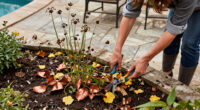
Arborists say exposed roots are common as trees mature and often reflect site conditions rather than a tree problem. Avoid cutting them or burying them deeply; a thin layer of suitable soil, organic mulch or carefully chosen shade plants can help protect and cover them.
A Country Living report citing arborists and university extension specialists advises homeowners not to cut exposed tree roots or cover them with deep soil, warning that those approaches can harm a tree. For roots that create a mowing or tripping concern, the experts describe alternatives including organic mulch, a light soil top-dressing and carefully selected shade plants.
Exposed roots are common in mature trees and do not, by themselves, show that a tree is unhealthy. Barbara Fair, a certified arborist and North Carolina State University landscaping and extension specialist, told Country Living that roots grow toward available oxygen, water and nutrients. Most tree roots, the report says, grow within the upper three feet of soil and extend laterally beyond the canopy’s drip line.
The report identifies compacted soil and frequent, shallow lawn irrigation as possible reasons roots remain near the surface. Some species, including maples, willows, sycamores, redwoods and Southern magnolias, are also known for shallow roots. Blake Watkins, a master arborist quoted in the report, said surface roots may reflect the growing site rather than a problem with the tree.
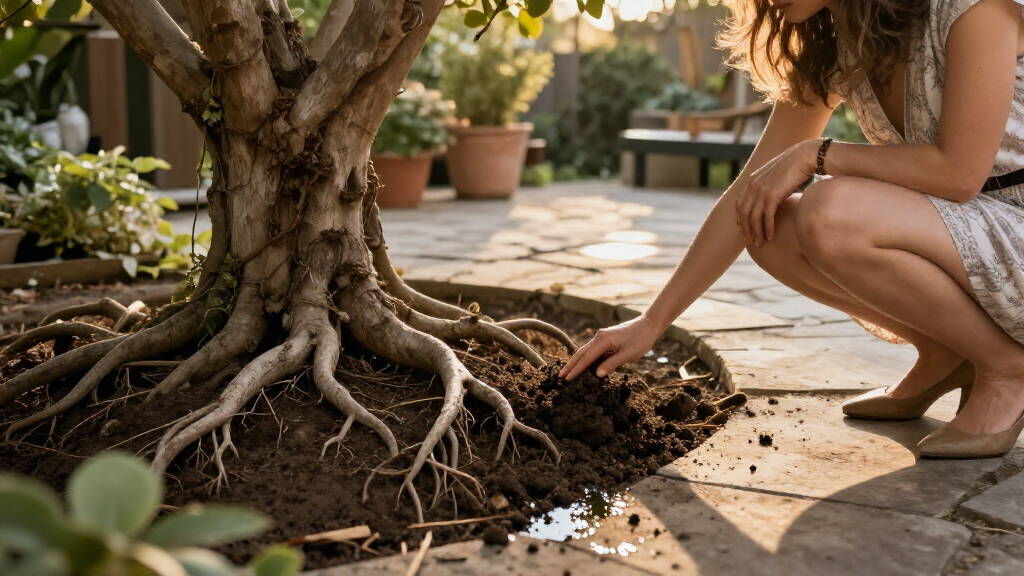
For a tidier surface, Fair recommends adding no more than two inches of sandy, loamy soil over exposed roots; she cautions that a deeper layer can suffocate them. The report also recommends spreading two to three inches of organic mulch, such as wood chips or pine straw, toward the drip line while keeping it a few inches from the trunk. It advises against rock mulch and warns that repeated mower contact can injure roots.
Protecting Roots and Yard Safety
The advice matters because exposed roots can interfere with mowing and walking, tempting homeowners to cut them back or bury them. The arborists cited in the report warn that cutting roots may affect a tree’s long-term health, while repeated mower injuries can leave it vulnerable to disease and pests. Deep soil coverage can also deprive roots of the conditions they need.
These choices involve more than appearance: large roots help support a tree, and damaging them may affect its health or stability. The report says homeowners can leave roots exposed if they can safely work around them. Where roots are lifting a sidewalk or creating another structural issue, it recommends consulting a certified arborist rather than attempting a major repair without professional advice.
Products Worth Considering

Ring Wired Doorbell Plus (2nd Gen) and Chime (3rd Gen), Nickel Silver and White

Ring Battery Doorbell (2nd Gen) and Indoor Cam Plus Bundle, Matte Mocha and Black

Roborock F25 Ultra Steam Wet Dry Vacuum Mop
As an affiliate, we earn on qualifying purchases.
Why Roots Reach the Surface
Roots spread through soil rather than simply growing straight down. Fair told Country Living that the root system forms a lateral root plate, with large roots helping support the tree. The report says many trees do not have taproots and that roots may extend two to three times beyond the canopy’s drip line.
According to Watkins, soil compaction—sometimes related to past construction—can limit downward growth. Frequent, shallow watering of a lawn may also encourage roots to stay close to the surface. Watkins said deeper watering during drought can help encourage deeper rooting, but the report does not present it as a way to reverse existing surface roots or as a guaranteed remedy.
Grass is not necessarily a practical solution beneath a large tree. Fair said turf and tree roots compete for water and nutrients, and that grass may not grow well there. The report suggests shade-tolerant groundcover or perennials instead, with careful planting to avoid damaging roots.
“It often says more about the soil and growing site than about the tree itself.”
— Blake Watkins, master arborist and plant health care director at Monster Tree Service, as quoted by Country Living
When Roots Signal a Problem
The report does not establish that exposed roots alone can diagnose a tree’s health, nor does it provide a single fix for every species or site. The effect of any root injury or soil change will depend on the tree and its conditions; the supplied material does not set out a case-by-case assessment. It also does not specify how much watering an individual tree needs beyond its general advice about deeper watering during drought.
Whether roots are causing a structural hazard, and what repair would preserve the tree’s stability, cannot be determined from the report alone. Watkins recommends seeking a certified arborist when roots are lifting sidewalks or causing similar concerns.
Choose a Site-Specific Fix
Homeowners can first avoid mowing over exposed roots and decide whether the area can be left as it is. For coverage, the reported options are a modest layer of suitable soil, two to three inches of organic mulch kept away from the trunk, or shade-tolerant plants installed without digging large holes. The report cautions that soil top-dressing may need to be repeated as roots grow.
If roots are damaging paving or creating a safety issue, the next step is to have a certified arborist assess the site before cutting roots or changing the ground around them. That assessment can help identify a response that addresses the hazard without needlessly compromising the tree.
Key Questions
Should I cut exposed tree roots?
The arborists cited in the report advise against it. Cutting roots can affect a tree’s long-term health, and repeated injuries from mowing can leave roots vulnerable to disease and pests.
Can I cover exposed roots with soil?
A light top-dressing may be used, but Fair recommends no more than two inches of sandy, loamy soil. The report warns that a deep layer can suffocate roots.
What is a suitable mulch for exposed roots?
The report recommends organic materials such as wood chips or pine straw, spread in a two- to three-inch layer toward the drip line. Keep mulch a few inches away from the trunk so the root flare remains visible; the report advises against rocks.
Do exposed roots mean my tree is unhealthy?
Not necessarily. The report says mature trees commonly develop surface roots, and species, soil compaction and watering patterns can all play a role. An arborist can assess a tree if there are other concerns or a structural hazard.
Can grass grow over exposed roots?
It may be difficult. Fair told Country Living that turf and tree roots compete for water and nutrients, so grass may not grow as well as hoped. Shade-tolerant groundcover or perennials are alternatives, but planting should avoid damaging the roots.
Source: countryliving.com