
TL;DR
A Grow Organic gardening guide describes yarrow as a sun-loving perennial grown for its finely divided leaves, flower clusters and value as a floral resource for visiting insects. It can tolerate dry conditions once established, but its underground stems can spread into neighboring plants; the guide also cautions that growing yarrow does not establish the safety or benefits of medicinal preparations.
Grow Organic’s yarrow guide describes the perennial as a low-maintenance option for sunny gardens, valued for its finely divided foliage and broad flower clusters that visiting bees, butterflies and other insects may use. It also warns that underground rhizomes can spread, making plant placement and ongoing control important for gardeners.

Get pool and patio gear delivered free with Prime
- Fast, free delivery on millions of items
- Prime Video, Amazon Music and more included
- Member-only deals all year
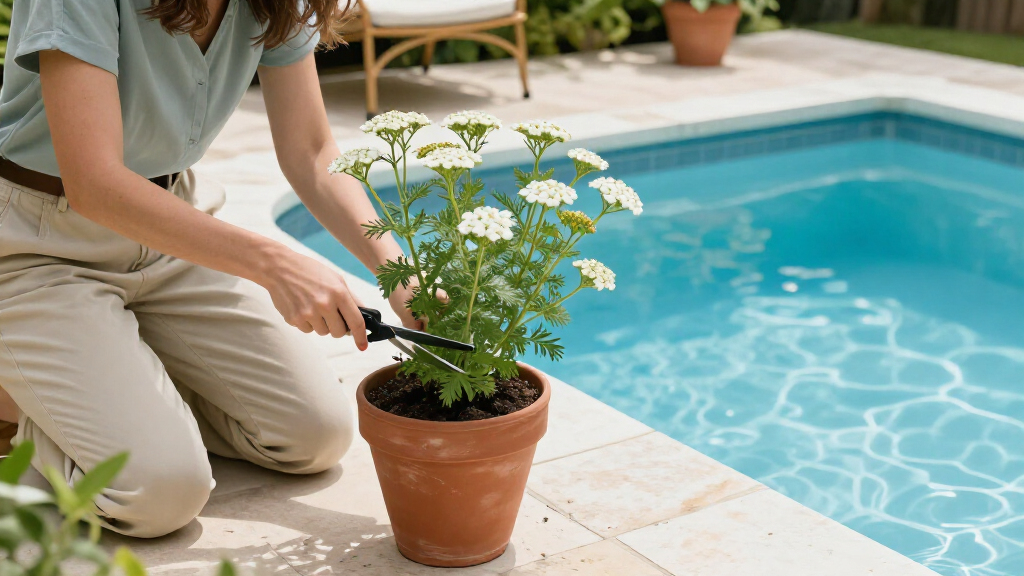
The guide identifies common yarrow as Achillea millefolium, a member of the daisy family, Asteraceae. Its deeply divided green leaves provide fine texture among broader-leaved plants and upright grasses. Numerous small flowers form larger clusters, with summer flowering typical in many regions, although timing depends on climate and plant selection.
Yarrow grows best in full sun and well-drained soil. According to Grow Organic, established plants tolerate dry conditions and generally need little fertilizer. Excess moisture can contribute to root problems, while overly rich soil may lead to weak, floppy growth. Young seedlings still need moisture as they establish, so watering should be adjusted as plants mature rather than stopped immediately.
The guide recommends following seed-packet sowing instructions and not burying tiny seeds deeply. Crowded clumps can be divided in early spring when local conditions allow. To limit spread, gardeners can remove unwanted shoots and cut faded flower clusters before seeds disperse. Gloves are advised for planting, pruning and dividing because contact may irritate skin or trigger an allergic reaction in some people.
Planning for Flowers and Spread
Yarrow offers a combination of garden texture, seasonal flowers and potential insect resources. Its blooms provide nectar and pollen for bees and butterflies, and hoverflies and lacewings may also visit, the guide says. Those visits do not guarantee pest control or increased vegetable yields, so the plant should be treated as one part of a varied garden rather than a stand-alone solution.
Its growth habit is just as relevant as its flowers. Rhizomes help yarrow patches expand, which can support persistent planting but may crowd less vigorous perennials or overwhelm small beds. Choosing a site with room to spread, then monitoring shoots and seed heads, can help gardeners gain the ornamental and insect-visitor benefits without losing control of neighboring plants.
The guide also distinguishes garden uses from health claims. Yarrow has a history in traditional medicinal practices, but growing it for flowers or foliage does not prove that extracts, essential oils or other preparations are effective or safe. People considering personal use should consult a qualified healthcare professional.
Products Worth Considering

Roborock Qrevo 2 Pro Robot Vacuum and Mop with 20,000 Pa Suction

Arlo Pro 2K HDR Wireless Security Camera, 6th Generation, 4-Camera Pack

iRobot Roomba Max 875 Robot Vacuum and Mop
As an affiliate, we earn on qualifying purchases.
Which Yarrow Is in the Garden?
Common names can create confusion. Grow Organic notes that North America has both native and introduced forms of common yarrow, so a packet labeled yarrow should not automatically be assumed to contain locally native seed. Gardeners seeking native plants should check the botanical identity and seed origin before buying.
The guide also separates common yarrow, Achillea millefolium, from Eriophyllum confertiflorum, which is commonly called golden yarrow. Similar common names do not mean two plants have the same growing requirements. Checking the scientific name can help buyers select a plant suited to their region and planting conditions.
Beyond borders and informal meadow-style plantings, cut stems can be used fresh or dried for indoor displays and wreaths. Gardeners can leave some flower heads for insect visitors while removing others to reduce self-seeding. This approach reflects the guide’s central point: yarrow can serve several garden purposes, but placement and maintenance shape how it behaves.
““Once established in a suitable location, it tolerates dry conditions and requires relatively little fertilizer.””
— Grow Organic gardening guide
Limits of Garden and Health Claims
The supplied guide does not state when it was published or provide local planting calendars, seed-origin details or region-specific advice. Bloom timing and the suitability of a particular yarrow selection can vary with climate and plant source. Gardeners should check seed-packet directions and local growing guidance before planting.
Claims about yarrow’s medicinal properties, including possible anti-inflammatory or antimicrobial effects, are not established by the gardening information provided. The source does not assess particular preparations, doses, benefits or side effects. It also does not identify ornamental yarrow as suitable for eating. Growing the plant is not evidence that a product is safe or effective, and skin reactions are possible with handling.
Steps Before Planting Yarrow
Before buying, confirm the plant’s scientific name and seed origin, then match its needs to the garden’s sunlight, drainage and climate. Follow the supplier’s sowing instructions, keep the seedbed moist during germination and provide appropriate water while seedlings establish. Allow room for rhizomes to expand, particularly if planting near less vigorous perennials.
After establishment, monitor the patch for unwanted shoots, divide crowded clumps in early spring where conditions permit, and remove faded flower heads before seed dispersal if limiting spread is a priority. Gardeners can leave selected blooms for visiting insects and cut others for fresh or dried arrangements. Any personal use of yarrow products remains a separate health question for a qualified professional.
Key Questions
What is yarrow commonly grown for?
It is commonly grown for garden borders, pollinator-friendly plantings and cut or dried flowers. Its divided leaves also add texture between flowering periods.
Does yarrow attract pollinators?
The Grow Organic guide says bees and butterflies use yarrow blooms, while hoverflies and lacewings may also visit. Those visits do not guarantee pest control or higher yields.
How do you grow yarrow?
Choose a sunny site with well-drained soil and follow the seed supplier’s sowing directions. Keep the seedbed moist during germination, then adjust watering as plants establish; avoid excess moisture and excessive fertilizer.
Can yarrow spread through a garden?
Yes. Underground stems called rhizomes can expand a planting. Monitor shoots, divide crowded clumps when local conditions permit and remove faded flower heads before seed dispersal if you want to limit spread.
Is garden yarrow safe to use medicinally or eat?
The supplied gardening guide does not establish that yarrow is safe or effective as a medicinal preparation, and it does not identify ornamental yarrow as suitable for eating. Ask a qualified healthcare professional about personal use; wear gloves when handling the plant because skin irritation or an allergic reaction may occur.
Source: rss