
TL;DR
Ideal Home has published a guide to seven fruit trees that can suit smaller gardens, including pears, plums, figs, apples, mulberries, cherries and peaches. Experts cited in the report recommend dwarfing rootstocks, self-fertile varieties, pots and wall training as ways to make fruit growing work in limited space. Autumn is described as a useful planting time, though the report does not provide full care details for every tree.
Ideal Home has published a guide to seven fruit trees suited to smaller gardens, drawing on horticultural experts who recommend compact or dwarfing varieties, self-fertile trees and space-saving growing methods. The advice matters to people with limited outdoor space who want to grow fruit, but the right choice depends on available room, pollination needs and growing conditions.

Get pool and patio gear delivered free with Prime
- Fast, free delivery on millions of items
- Prime Video, Amazon Music and more included
- Member-only deals all year
The seven trees in the report are pear, plum, fig, apple, mulberry, cherry and peach, including self-pollinating fruit trees that can suit smaller gardens. The recommendations include varieties that can crop without a second tree, such as the pear ‘Concorde’, plums ‘Opal’ and ‘Victoria’, and the cherry ‘Stella’. The report says single-tree growers should check pollination requirements before buying: many apple varieties, for example, need another compatible tree, while ‘Braeburn’ and ‘Red Falstaff’ are presented as self-fertile options.
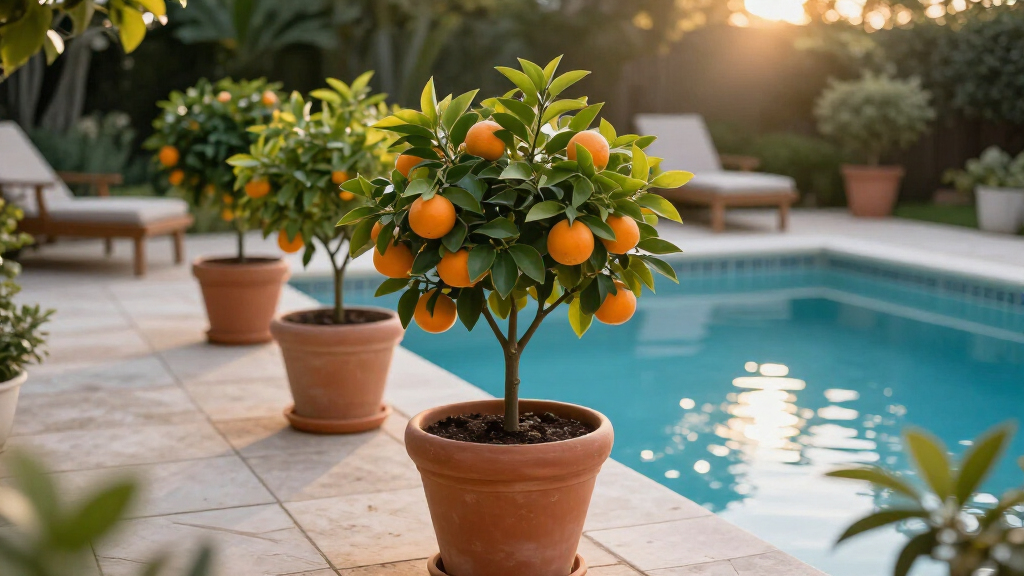
Several of the trees can be grown in containers or trained to use vertical space. Horticultural expert Richard Barker says figs can do well in pots because restricting their roots can encourage cropping, and they can be fan-trained against a wall. He also says apples can be trained as cordons or espaliers. The report recommends dwarf or patio mulberries for tight spaces and says dwarfing-rootstock cherries are another option.
For planting, the article points to autumn, when soil may retain summer warmth and rainfall can help plants establish roots. Pim Dickson, senior horticulturist at Fothergill’s, says autumn moisture lets plants concentrate on root establishment before spring and summer growth. The report also notes that bare-root trees are generally planted after entering dormancy, but gives no single planting date that applies to every tree or location.
Making Fruit Growing Fit Small Gardens
The advice offers gardeners alternatives to assuming that fruit trees require an orchard or a large plot. Dwarfing rootstocks, containers and trained branches can help fit trees into patios, courtyards and narrow borders, while self-fertile varieties may reduce the need to allocate space to a pollination partner.
Those choices do not guarantee a harvest. A tree’s performance still depends on its variety, climate, sunlight, care and pollination conditions. The report’s main practical point is that space limits can be addressed at the selection stage: buyers can look for compact growth and confirm whether a chosen tree needs another compatible variety.
Products Worth Considering

Sonos Era 100 SL Compact Microphone-Free Speaker, Black

Dyson Cyclone V10 Origin Cordless Vacuum

eufy Security eufyCam C35 4-Camera Kit
As an affiliate, we earn on qualifying purchases.
The Seven Trees in the Guide
The Ideal Home article presents the choices as a practical list rather than a comparative trial. For pears, it names self-fertile ‘Concorde’ and says ‘Doyenné du Comice’ may need a pollinator. For plums, it highlights self-fertile ‘Opal’ and ‘Victoria’. Figs including ‘Brunswick’ and ‘Brown Turkey’ are described as compact options that can be grown in pots or trained flat against a wall.
For apples, the report names ‘Braeburn’ and ‘Red Falstaff’ as self-fertile choices and says pruning is needed in late winter. For cherries, it lists ‘Stella’, ‘Lapins’ and ‘Sunburst’ as self-fertile varieties suitable for smaller gardens or containers. The supplied source excerpt begins its peach advice by recommending dwarfing types trained against a warm, sunny wall, but ends before giving the rest of that guidance.
“Rainfall at this time of year provides more natural moisture, and this allows plants to concentrate on establishing their roots before the demands of spring and summer growth begin.”
— Pim Dickson, senior horticulturist at Fothergill’s
What the Growing Advice Leaves Open
The report does not set out a single care plan for all seven trees, and its recommendations should not be read as a guarantee of fruit. Local climate, soil, sunlight and variety can affect whether a tree thrives and crops. Pollination requirements can also differ by cultivar, so gardeners should verify the details for the specific tree they plan to buy.
The supplied source material cuts off during the peach section. It therefore confirms only that dwarfing peaches and nectarines may suit small gardens, particularly against a warm, sunny wall; it does not include the remainder of the article’s peach advice. The report also does not compare expected yields, mature tree sizes or ongoing costs across the seven options.
Check Variety Before Planting
Gardeners considering a tree can use the recommendations as a starting point, then check its mature size, rootstock, pollination group and suitability for containers or wall training with a nursery or supplier. For autumn planting, timing will depend on local conditions and whether the tree is sold in a pot or bare-root.
The next practical step is to match the tree to the available site and care needs, including pruning and sunlight. The article offers no follow-up results or further announcement; the outcome for individual growers will depend on the trees they choose and how they establish and maintain them.
Key Questions
Which fruit trees does the report recommend for small gardens?
It covers pear, plum, fig, apple, mulberry, cherry and peach, with compact varieties or growing methods suggested for limited space.
Do small-garden fruit trees need a second tree?
Not always. The report names several self-fertile varieties, including pear ‘Concorde’, plums ‘Opal’ and ‘Victoria’, and cherry ‘Stella’. Many apples do need another compatible tree, so check the selected cultivar’s pollination needs.
Can fruit trees grow in pots?
Some can. The report specifically says figs respond well to pots and identifies dwarf or patio mulberries and some cherries as options for small spaces or containers. Confirm a variety’s container suitability before buying.
Why does the article recommend autumn planting?
It says autumn soil can retain summer warmth and rainfall can support root establishment before spring growth. The best timing can vary with local conditions and whether a tree is container-grown or bare-root.
What advice does the source give about peaches?
The supplied excerpt says dwarfing peaches and nectarines can suit small gardens, especially when trained against a warm, sunny wall. The source text ends before giving the full peach guidance.
Source: rss