To keep your family safe around lap pools, always supervise children closely and establish clear rules about pool use. Installing a secure fence with self-closing, self-latching gates adds an important layer of protection. Keep safety equipment nearby and regularly check that fences and gates are in good condition. Consistent supervision, combined with safety barriers and rules, helps prevent accidents. To learn more about creating a safer pool environment, continue exploring effective safety strategies.
Key Takeaways
- Always supervise children actively when they are near or in the pool; never leave them unattended.
- Install a secure, self-closing, and self-latching fence at least four feet high around the pool area.
- Establish clear pool rules emphasizing that children should only enter when an adult is present.
- Keep safety equipment like life rings and reaching poles easily accessible and ensure household members know how to use them.
- Regularly inspect fencing and gates for damage or gaps, maintaining proper functionality to prevent unauthorized access.

Have you ever considered how indispensable proper safety and supervision are when using a lap pool? It’s easy to get caught up in the convenience and exercise benefits, but ensuring safety takes priority. When you have children in the home, child supervision becomes a critical part of your daily routine. Kids are naturally curious and full of energy, which means they can accidentally wander toward the pool area without warning. That’s why you must stay vigilant whenever children are nearby, actively watching them whenever they’re in or around the pool. Never leave a child unsupervised, even for a moment, as accidents can happen quickly and silently. A lapse in supervision can turn a fun and healthy activity into a tragic event, so it’s worth establishing clear rules about pool use and always keeping an eye on the little ones.
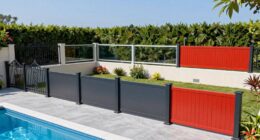
Alongside child supervision, installing pool fencing is one of the most effective safety measures you can take. A secure, self-closing, and self-latching fence creates a physical barrier that prevents unauthorized or accidental access to the pool area. It’s especially essential when children are too young to understand the dangers or if you’re unable to supervise constantly. The fencing should be at least four feet high, with no climbable objects nearby, and gates that lock securely. This way, even if you’re momentarily distracted or busy with other chores, the fence acts as a safeguard, reducing the risk of accidental falls or unsupervised access. Remember, pool fencing is not just about compliance; it’s about peace of mind. It shows you’re committed to creating a safe environment for your family and visitors alike.
Additionally, teach your children about pool safety from a young age. Explain that the pool is not a play area and emphasize the importance of following safety rules. Reinforce that they should only enter the pool area when an adult is present and never go near it alone. Incorporate these lessons into your routine, so safety becomes second nature for them. Make sure your supervision is consistent and proactive, not reactive. Regularly check that the fencing is intact and gates are properly latched. Keep safety equipment, such as life rings and reaching poles, easily accessible, and ensure everyone in the household knows how to use them.
Frequently Asked Questions
What Are the Best Safety Devices for Lap Pools?
You should install pool fencing and safety covers as the best safety devices for lap pools. Pool fencing creates a sturdy barrier that prevents unsupervised access, especially for children. Safety covers, such as automatic or manual covers, add an extra layer of protection when the pool isn’t in use, preventing accidental falls. Combining these devices guarantees a safer environment, giving you peace of mind while enjoying your lap pool.
How Often Should Safety Checks Be Performed?
You should perform safety checks weekly, especially focusing on pool cover maintenance and safety devices. For example, a family neglected regular checks, leading to a child slipping through a loose cover. Regular inspections guarantee covers are secure and safety gadgets work properly. If you’re not certified as a lifeguard, consider professional checks to spot issues early. Consistent safety checks help prevent accidents and keep your lap pool a safe environment.
Can Children Access the Lap Pool Without Supervision?
Children should never access the lap pool without supervision. You need to guarantee proper child supervision at all times and install secure pool barriers to prevent unsupervised access. These barriers act as a physical safeguard, reducing the risk of accidents. Always stay nearby, especially when children are around the pool area, and regularly check that barriers are intact and functioning correctly to keep your little ones safe.
What Emergency Procedures Should Be in Place?
Did you know that over 80% of drowning incidents happen quickly, making prompt rescue vital? You should have emergency procedures like accessible emergency equipment—rescue hooks, life rings, and first aid kits—near the pool. Regular rescue training for family members ensures everyone responds swiftly. Clearly posted emergency contacts and a plan for quick evacuation help minimize risks, giving you peace of mind knowing you’re prepared for any incident.
How to Train Family Members on Pool Safety?
You should train family members on pool safety by emphasizing constant child supervision and setting clear safety signage around the pool area. Show them how to recognize potential hazards and enforce rules consistently. Practice emergency procedures together, like rescuing a swimmer or calling for help. Reinforce the importance of never leaving children unattended and always monitoring the pool, so everyone stays safe and aware of safety measures.
Conclusion
To keep your family safe around lap pools, always stay vigilant and supervise children closely—think of your watchful eye as the lighthouse guiding ships safely to shore. Remember, accidents can happen in the blink of an eye, so never let your guard down. With proper supervision and safety measures in place, your pool can be a source of joy and exercise, not a hidden danger. Make safety your top priority, and everyone can enjoy pool time worry-free.