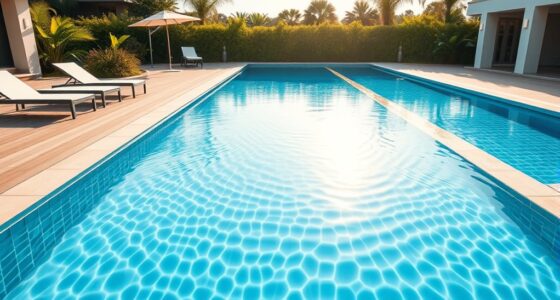
Swimming laps in a pool provides a safe, low-impact way to support your recovery. The water’s buoyancy reduces joint stress, helping you move with less pain and encouraging flexibility. Water resistance naturally challenges your muscles, building strength without risking re-injury. The environment can be tailored with temperature adjustments to relax muscles or reduce inflammation. If you want to discover how this gentle exercise boosts recovery, keep exploring the ways water therapy benefits you.
Key Takeaways
- Swimming laps in pools provides low-impact exercise that minimizes joint stress during recovery.
- Water resistance naturally strengthens muscles while allowing controlled, safe movement.
- The adjustable water temperature enhances relaxation or reduces inflammation, supporting healing.
- Consistent lap swimming improves flexibility, endurance, and mobility post-injury or surgery.
- The safe, controlled environment encourages motivation and adherence to therapy routines.

Lap pools have become a popular tool in physical therapy because they offer a controlled environment for low-impact exercise. When you’re recovering from an injury or managing a chronic condition, these pools allow you to perform aquatic therapy that minimizes strain on your joints while promoting healing. One key advantage of using a lap pool is the natural water resistance, which provides gentle but effective resistance during movement. This resistance helps strengthen muscles without the need for heavy weights or strenuous activity, making it ideal for gradual rebuilding of strength and endurance.
Lap pools offer low-impact, water-resistant exercise ideal for safe, effective physical therapy and gradual strength rebuilding.
As you begin your therapy sessions, you’ll notice that water resistance challenges your muscles in a way that land-based exercises can’t match. The water acts as a natural resistance band, requiring you to exert more effort with every stroke or movement. This resistance is adjustable—by simply changing your pace or stroke style, you can increase or decrease the level of difficulty, tailoring your workout to your specific recovery stage. The buoyancy of the water also reduces the impact on your joints, allowing you to move freely and comfortably, which is especially beneficial if you’re dealing with arthritis or recovering from surgery.
Using a lap pool for aquatic therapy encourages a focus on proper form and controlled movements. Because the environment is predictable and safe, you can concentrate on performing each exercise correctly, reducing the risk of re-injury. Many physical therapists incorporate specific swimming techniques or water-based exercises that target particular muscle groups or joints, aiding in rehabilitation and improving overall mobility. The soothing quality of water can also help ease muscle tension and reduce pain, making your therapy sessions more comfortable and less intimidating.
Furthermore, the temperature of the water in lap pools can be regulated to optimize recovery. Warmer water helps relax muscles and improve circulation, speeding up the healing process. Cooler water can help reduce inflammation and swelling after intense sessions. This level of control over the environment ensures that your therapy is both safe and effective, tailored to your body’s needs at every stage of recovery. Additionally, water’s unique properties like water resistance provide a natural way to challenge muscles without overloading them, which is critical during recovery.
Incorporating swimming laps into your physical therapy regimen leverages water resistance to promote strength, flexibility, and endurance, all while minimizing joint stress. Whether you’re working on regaining mobility after surgery or managing a chronic condition, lap pools provide a versatile and supportive environment. They allow you to engage in aquatic therapy that is not only effective but also enjoyable, encouraging consistency and motivation in your recovery journey.

Funsicle 8ft 6in Activity Lap Pool – Above Ground Rectangular Pool for Fitness & Fun, Durable & Easy to Assemble, Ideal for Small Backyards & Aquatic Workouts
Quick assembly: connect strong metal tubes with lock pins
As an affiliate, we earn on qualifying purchases.
As an affiliate, we earn on qualifying purchases.
Frequently Asked Questions
Can Lap Pools Be Used for All Types of Injuries?
You wonder if lap pools can be used for all injury types. While they’re versatile tools in rehabilitation techniques, they aren’t suitable for every injury. For example, severe fractures or open wounds need different care. Consult with a healthcare professional to determine if swimming laps in a lap pool fits your injury type. They can guide you on safe, effective recovery options tailored to your specific condition.
What Safety Precautions Are Necessary for Therapy in Lap Pools?
Imagine your safety is a fortress—now, what safety precautions do you take in a lap pool? You must prioritize emergency preparedness, guaranteeing you know how to respond quickly if needed. Keep water temperature carefully regulated to prevent shock or fatigue. Always stay within your limits, have supervision if necessary, and ensure the pool area is free of hazards. These precautions protect you, making your therapy safe, effective, and worry-free.
How Long Should Therapy Sessions in a Lap Pool Last?
For therapy in a lap pool, your session duration should typically last between 20 to 45 minutes, depending on your specific needs and fitness level. Ideal timing varies for each person, but starting with shorter sessions and gradually increasing helps prevent fatigue or injury. Always follow your therapist’s recommendations to guarantee safe, effective recovery, and listen to your body during each session.
Are There Age Restrictions for Aquatic Therapy in Lap Pools?
You might wonder about age restrictions for aquatic therapy in lap pools. Generally, there are no strict age limitations, but swimming experience matters. Children and seniors can benefit, provided they have adequate swimming skills or supervision. Always consult a healthcare professional to guarantee safety, especially for those with health concerns. Your comfort and ability are key, so tailored programs help make aquatic therapy effective and safe regardless of age.
How Do I Find a Suitable Lap Pool for Therapy Purposes?
Imagine searching for a quiet, clean oasis where water feels just right. To find a suitable lap pool for therapy, check its maintenance standards and verify the water temperature is comfortably warm, typically between 83-88°F. Look for facilities with well-maintained pools, professional staff, and flexible schedules. Visiting in person helps you assess cleanliness, water quality, and overall environment, making sure it’s the perfect fit for your recovery needs.

Sunlite Sports Water Workout Combo Set, Aqua Dumbbells, Swim Belt and Aqua Cuffs, Water Weights for Pool Exercise, Water Aerobics Equipment, High-Density EVA Foam for Aqua Jogging and Therapy
【Transform Your Pool into a Full-Body Gym】: Get a complete aquatic workout with this 6-piece set, featuring 2…
As an affiliate, we earn on qualifying purchases.
As an affiliate, we earn on qualifying purchases.
Conclusion
Imagine swimming just 20 laps a day—you’re burning about 300 calories and boosting your recovery. Lap pools make it easy to stay active and focused on healing, offering low-impact support that traditional therapy can’t match. As you glide through the water, you’re not only strengthening muscles but also reducing joint strain. So, next time you think about recovery options, remember how that simple swim can turn your rehab journey into a invigorating, effective experience.

BaldrTherm Pool Thermometer Digital Floating, Swimming Pool Water Temperature Sensor, 2026 New Upgrade | Solar Powered | Easy Read | High Precision | Anti-Fog, for Hot Tub, Spa & Ice Bath
2026 Upgraded Solar Powered & Battery Backup: Featuring a 2026 newly upgraded rugged look with a reinforced fully-enclosed…
As an affiliate, we earn on qualifying purchases.
As an affiliate, we earn on qualifying purchases.
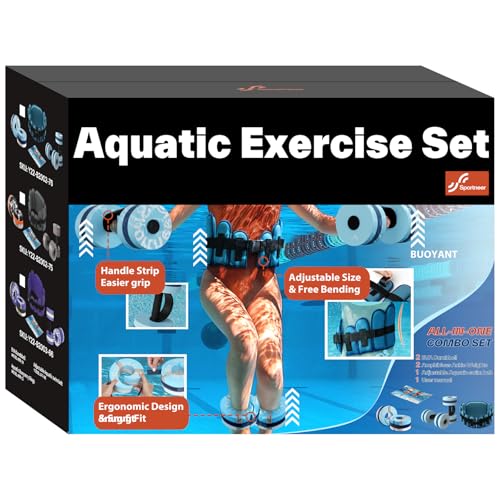
Sportneer Aquatic Exercise Equipment Water Aerobics Combo Set Includes High Density Water Weights Dumbbell Aqua Belt Foam Cuffs for Pool Exercise Aquatic Therapy Pool Fitness
All-In-One Combo Set: This pool exercise equipment set has all the essential tools you need for aquatic exercise….
As an affiliate, we earn on qualifying purchases.
As an affiliate, we earn on qualifying purchases.