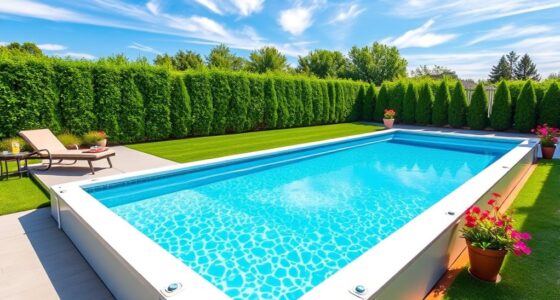
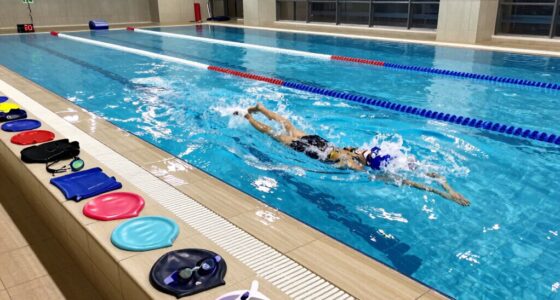
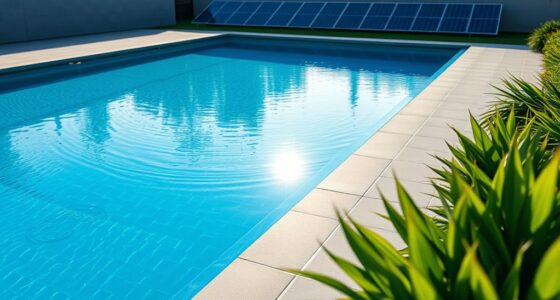
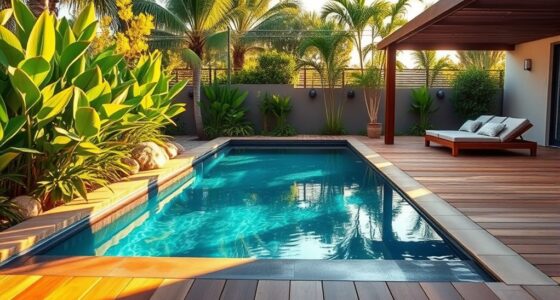
A lap pool is a narrow, rectangular pool built for swimming laps, fitness, and training. It offers a dedicated space for aquatic workouts that can improve your health and fitness levels. Lap pools are often compact, making them suitable for homes or gyms with limited space. Proper maintenance guarantees water quality, safety, and durability, maximizing your benefits. Keep exploring to discover more about how a lap pool can fit into your lifestyle and the key factors to contemplate.

Get pool and patio gear delivered free — and shop member deals
- Fast, free delivery on millions of items
- Access to Prime Big Deal Days deals on October 6–7
- Prime Video, Amazon Music and more included
Key Takeaways
- A lap pool is a narrow, elongated pool designed for swimming laps, exercise, and training.
- It promotes fitness by providing a dedicated space for consistent aquatic workouts.
- Proper maintenance ensures water quality, safety, and longevity of the pool equipment.
- Energy-efficient heating and insulation help maintain water temperature and reduce costs.
- Regular upkeep enhances safety, extends pool lifespan, and ensures a clean, inviting swimming environment.

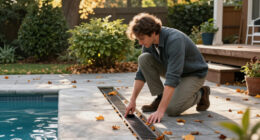
Pool maintenance is also an indispensable aspect of keeping your lap pool functional and inviting. Unlike larger pools, which require extensive cleaning, a smaller lap pool still needs regular upkeep to prevent algae growth, bacteria, and debris. You should routinely check and balance pH levels, chlorine or other sanitizer levels, and water clarity. Proper filtration and circulation are necessary to keep the water clean and safe, especially since you’ll be spending a lot of time in it. Regularly cleaning the pool’s surface and skimming out leaves or bugs helps reduce maintenance efforts and keeps the water inviting. Additionally, inspecting the pool’s equipment—like pumps, filters, and heaters—ensures everything functions efficiently and prolongs its lifespan. One important aspect is ensuring the water temperature remains consistent, as fluctuations can impact comfort and energy consumption. Another aspect related to water temperature and pool maintenance is energy efficiency. Heating the water consumes energy, so you might want to explore energy-efficient heaters or solar options to reduce ongoing costs. Good insulation around the pool area can also help maintain consistent water temperature and cut down on heating expenses. Proper maintenance routines not only keep your lap pool safe but also extend its longevity, saving you money and hassle in the long run.
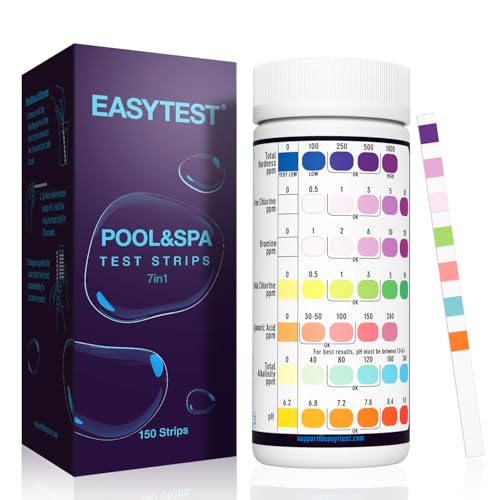
EASYTEST 7-Way Pool Test Strips, 150 Strips Water Test for Hot tub and Spa
- 150 Test Strips Included: Enough for multiple water tests
- Fast and Accurate Results: Soak for 1 second, read in 15 seconds
- 7-in-1 Water Testing: Tests Bromine, pH, Chlorine, Alkalinity, Hardness, Cyanuric Acid
As an affiliate, we earn on qualifying purchases.
Frequently Asked Questions
How Much Does a Lap Pool Typically Cost to Install?
The cost to install a lap pool varies based on several factors, including size, materials, and site preparation. Typically, installation expenses range from $20,000 to $50,000, but larger or custom designs can cost more. Your specific cost factors, like permits and landscaping, influence the overall price. To get an accurate estimate, consider consulting professionals who can evaluate your space and outline all relevant installation expenses.
Are Lap Pools Suitable for Small Backyard Spaces?
When it comes to small backyard spaces, you’re often caught between a rock and a hard place. Luckily, lap pools are a perfect fit because of their compact design and space efficiency. They’re tailored for tight spots, letting you enjoy swimming without sacrificing yard space. With a well-planned layout, your small yard can still have a sleek, functional lap pool that meets your fitness and relaxation needs.
What Maintenance Is Required for a Lap Pool?
You’ll need to regularly check and balance pool chemicals to keep the water clean and safe. Maintaining proper water filtration is essential to prevent debris buildup and guarantee clear water. You should also clean the pool’s surfaces and skimmers, and occasionally inspect the pump and filtration system for proper operation. Regular maintenance helps prolong your lap pool’s lifespan and keeps it inviting for your workouts and relaxation.
Can a Lap Pool Be Heated for Year-Round Swimming?
Like Icarus reaching for the sun, you can heat your lap pool for year-round swimming with proper pool heating systems. Investing in efficient pool heating allows you to enjoy seasonal swimming even during colder months. Modern options like solar, gas, or electric heaters make this feasible, ensuring comfort and extended use. With the right system, your lap pool becomes a year-round sanctuary, defying seasonal limitations and elevating your swimming experience.
How Long Does It Take to Install a Lap Pool?
Installing a lap pool typically takes about 4 to 8 weeks, depending on factors like pool size, site prep, and weather. You’ll want to prioritize pool safety during installation, ensuring proper fencing and covers. Water circulation systems are installed simultaneously to keep the water clean and healthy. Planning ahead helps you enjoy your new lap pool sooner, with minimal disruption and maximum safety.
Conclusion
A lap pool isn’t just about exercise; it’s a mirror reflecting your dedication and discipline. As you glide through the water, you’re steering a journey of self-improvement, each stroke symbolizing progress and resilience. Remember, the pool’s endless length mirrors your limitless potential—reminding you that every challenge you face is just another lap to conquer. Embrace the journey, and let the water carry you toward strength, clarity, and growth.
Fall Picks
fall essentials
As an affiliate, we earn on qualifying purchases.