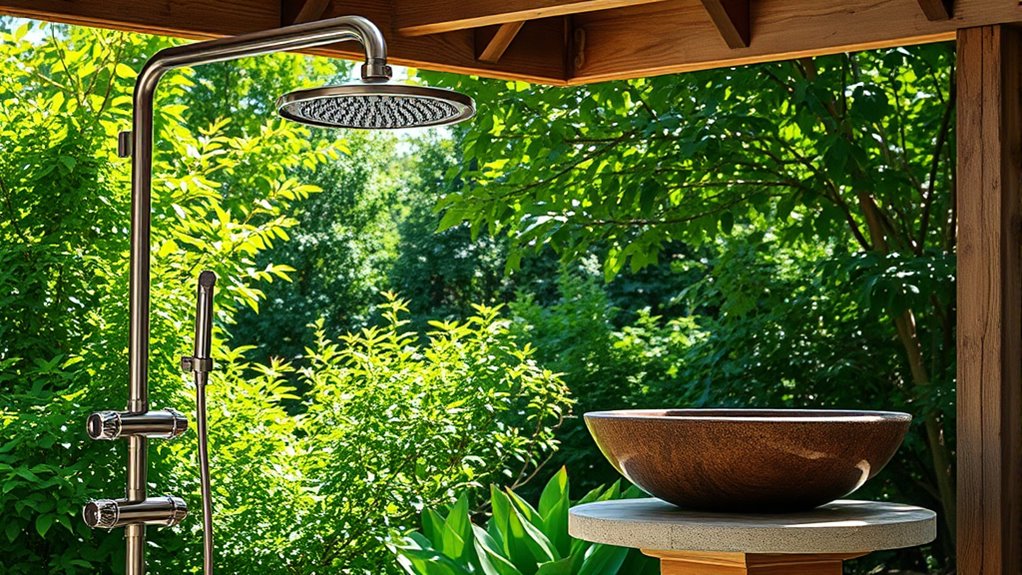

To set up outdoor showers and rinse stations, you need a reliable plumbing system that handles water supply and drainage. Connect fixtures to your home’s water line with durable, weather-resistant piping, and make certain all joints are tightly sealed. Incorporate a trap drain to prevent odors and plan for proper drainage away from structures. Installing low-flow fixtures and water-saving features helps conserve water without sacrificing performance. Keep learning to uncover detailed tips for a smooth, long-lasting setup.
Key Takeaways
- Use durable, weather-resistant piping like PVC or flexible hoses for outdoor plumbing connections.
- Incorporate a drain with a trap to prevent odors and ensure proper wastewater flow.
- Connect fixtures to the home’s water supply with tight, sealed fittings to prevent leaks.
- Install a slight slope away from the shower area to facilitate effective drainage and prevent pooling.
- Regularly inspect plumbing for leaks, blockages, and damage to maintain functionality and longevity.
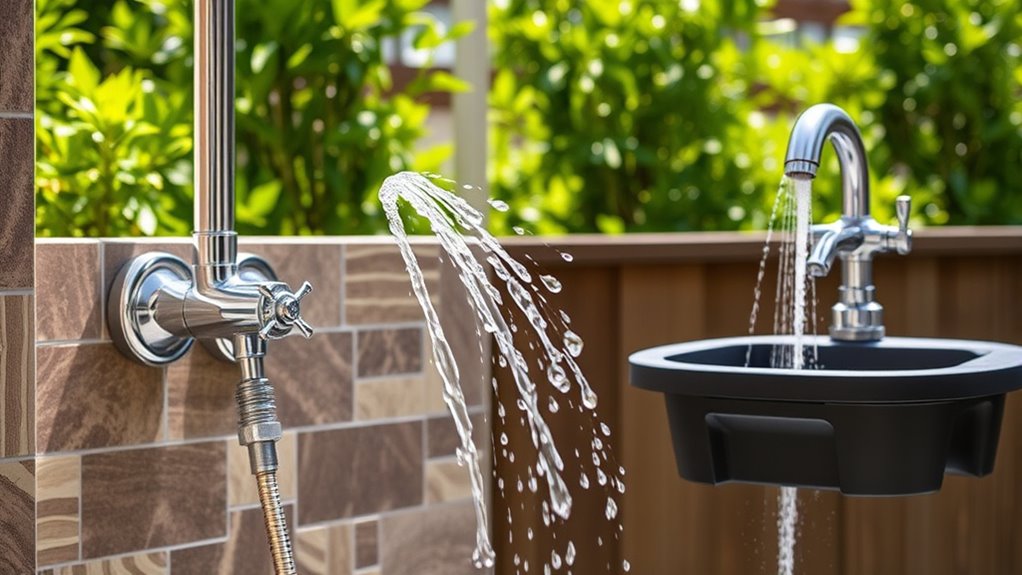
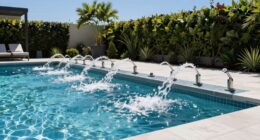
Understanding the fundamentals of plumbing is essential whether you’re tackling a DIY project or simply maintaining your home’s system. When it comes to outdoor showers and rinse stations, knowing how to set up and troubleshoot plumbing ensures you get reliable, efficient use without wasting water or creating drainage issues. One of the first considerations is garden drainage. Proper drainage is crucial because it prevents water from pooling around your outdoor shower or rinse station, which can lead to muddy, slippery areas or even structural damage over time. To achieve effective garden drainage, you should plan for a slight slope away from your shower or rinse station, directing excess water toward a designated drainage area or a dry well. Installing a gravel bed beneath the unit can help absorb excess water, reducing runoff and protecting your yard from erosion. Additionally, selecting water-resistant materials for your outdoor plumbing setup can prolong the lifespan of your fixtures and piping.
Proper garden drainage with a slight slope and gravel bed prevents water pooling and erosion around outdoor showers.
Water conservation should be a priority whenever you install outdoor plumbing features. Using low-flow fixtures can make a significant difference in reducing water wastage. Look for showerheads and hoses designed for outdoor use that limit flow rates while maintaining sufficient water pressure for rinsing or showering. Additionally, consider incorporating timers or shut-off valves to control water flow, especially if the station will see frequent use. These measures help you conserve water without sacrificing comfort or convenience, making your outdoor setup more eco-friendly and cost-effective.
When setting up an outdoor shower or rinse station, you need to connect it to your home’s water supply carefully. Use durable, weather-resistant piping such as PVC or flexible hoses rated for outdoor use. Ensure all connections are tight and sealed to prevent leaks, which can waste water and lead to water damage or mold growth. If you’re installing a new line, locate the nearest cold water supply line and run piping underground, making sure to insulate it if you live in a colder climate to prevent freezing. If you’re connecting to an existing outdoor faucet, install a backflow preventer to safeguard your home’s water supply from contamination. Proper planning for garden drainage and water management are critical components of outdoor plumbing. You should plan your setup to avoid any standing water around the shower or rinse station. Using a drain with a trap can prevent unpleasant odors from escaping and help keep the area sanitary. Regularly inspect your plumbing connections for leaks or blockages, which can compromise water efficiency and cause drainage problems. Properly maintaining your outdoor plumbing not only extends its lifespan but also ensures your garden stays healthy and your water use remains efficient. With the right planning and attention to detail, your outdoor shower or rinse station can become a convenient, eco-friendly addition to your outdoor space.
Frequently Asked Questions
What Is the Ideal Location for Installing Outdoor Showers?
You should install your outdoor shower in a private spot, away from neighbors, to address privacy concerns. Choose a location with proper drainage solutions to prevent water pooling or damage. Consider placing it near existing plumbing lines for easier setup and maintenance. A shaded area also helps keep it cool and comfortable. By prioritizing privacy and drainage, you’ll enjoy your outdoor shower with minimal hassle.
How Do I Prevent Freezing in Outdoor Plumbing During Winter?
To prevent freezing in outdoor plumbing during winter, you should insulate your pipes with pipe insulation, especially those exposed to cold temperatures. Additionally, install drain heating systems or heat cables to keep the water flowing and prevent ice buildup. You might also consider draining the system completely when not in use, and using insulated covers to safeguard fixtures. These steps help ensure your outdoor shower stays functional year-round.
What Materials Are Best for Outdoor Shower Fixtures?
You should choose fixtures made from corrosion-resistant materials like stainless steel, brass, or PVC, as they offer excellent durability against weather elements. These materials withstand outdoor conditions and maintain fixture compatibility with various plumbing setups. Opt for fixtures specifically designed for outdoor use to guarantee longevity. This way, your outdoor shower remains functional and attractive, even after harsh weather, providing you with a reliable and lasting solution.
How Do I Maintain Water Pressure in an Outdoor Rinse Station?
Your water pressure can be maintained by ensuring your water flow isn’t a trickle but a roaring river. Check your pressure regulator and adjust it if needed to maintain ideal pressure. Regularly clean and inspect hoses and filters to prevent blockages that reduce flow. Also, consider installing a booster pump if your water source doesn’t provide enough pressure. These steps keep your outdoor rinse station powerful and efficient.
Are There Eco-Friendly Options for Outdoor Shower Systems?
Yes, you can choose eco-friendly outdoor shower systems that use solar heating to warm water naturally and reduce energy consumption. Water recycling options let you reuse gray water for rinsing, minimizing waste. These systems are sustainable, cost-effective, and environmentally friendly, helping you conserve resources while enjoying outdoor showers. Installing solar panels and water recycling components ensures your outdoor shower remains eco-conscious without sacrificing comfort or convenience.
Conclusion
Now that you understand the plumbing basics for outdoor showers and rinse stations, you’re ready to set up your own invigorating space. Remember, proper connections and water pressure are key to a smooth installation. Don’t you want to enjoy easy cleanups after a day outdoors? With a little planning and these tips, you’ll have a functional outdoor shower in no time. So, why wait to create your perfect backyard oasis?