
When choosing between fiberglass, concrete, and vinyl liner pools, consider your budget, maintenance preferences, and how long you want your pool to last. Fiberglass pools are low-maintenance and durable, but they have higher initial costs. Concrete pools can be customized but require more upkeep and repairs over time. Vinyl liners are budget-friendly with quick installation, yet liners need replacement every 7-15 years. Keep exploring to find the best fit for your lifestyle and finances.
Listen free for 30 days with Audible
Thousands of audiobooks and originals — cancel anytime.
As an affiliate, we earn on qualifying purchases.
Key Takeaways
- Fiberglass pools have higher initial costs but lower maintenance and longer lifespan compared to concrete and vinyl liner pools.
- Concrete pools are highly customizable but involve more complex, costly, and lengthy installation processes.
- Vinyl liner pools are quick and affordable to install but may require liner replacements every 7-15 years.
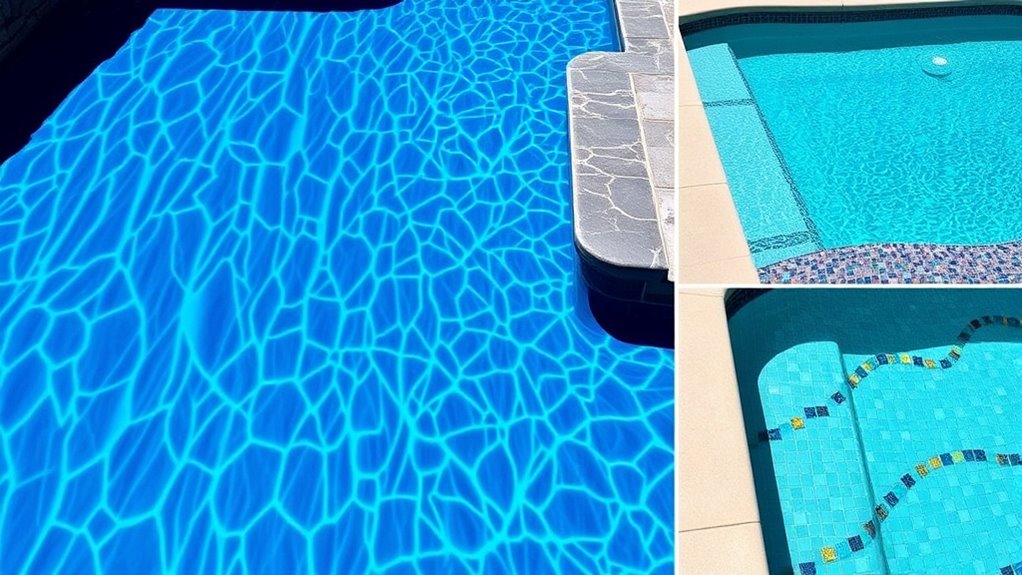
- Fiberglass offers a smooth, algae-resistant surface that reduces cleaning, while concrete surfaces are porous and need regular sealing.
- Long-term costs favor fiberglass due to its durability and low maintenance, whereas concrete and vinyl pools may incur higher ongoing expenses.
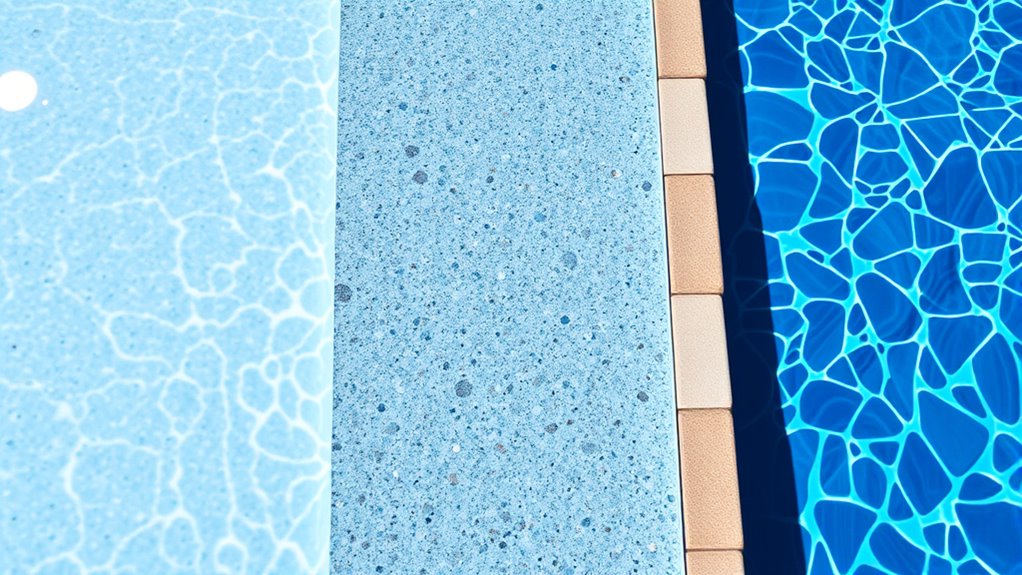
Are you trying to decide which type of pool best fits your needs? With so many options available, it’s essential to weigh the pros and cons of each to make an informed decision. When comparing fiberglass, concrete, and vinyl liner pools, the first aspects to think about are installation costs and maintenance requirements, as these will impact your budget and ongoing effort. Fiberglass pools typically have higher upfront installation costs because of their factory-molded shells, but they tend to require less maintenance afterward. The smooth surface of fiberglass prevents algae buildup, making chemical balancing easier and reducing the frequency of cleaning. This means less time and money spent on upkeep, which appeals to homeowners seeking a low-maintenance option. Conversely, concrete pools often have lower initial costs in terms of the shell itself, but their installation can be more complex and lengthy, adding to labor expenses. Concrete pools usually demand more maintenance because their porous surfaces can harbor algae and stains, requiring regular sealing, resurfacing, and more frequent cleaning. Vinyl liner pools sit somewhere in between; their installation costs are generally lower than fiberglass, especially since they use prefabricated panels and liners, but the liners will need replacing every 7 to 15 years, which adds to long-term expenses. Maintenance for vinyl pools involves routine liner inspections, cleaning, and chemical balancing, which, while manageable, can become costly over time if liners need frequent replacements. Additionally, the durability and longevity of each type influence maintenance needs and costs. Fiberglass pools are highly durable, resisting cracks and damage better over time, which reduces repair costs. Concrete pools, although customizable in size and shape, are prone to cracking and staining, leading to more frequent repairs and resurfacing. Vinyl liner pools, while quick to install and affordable initially, can be vulnerable to tears, punctures, and liner deterioration, which increase maintenance efforts. When assessing installation costs, fiberglass pools generally require a shorter, less invasive process, which can lower initial expenses compared to concrete pools that involve extensive excavation, reinforcement, and finishing work. Vinyl pools benefit from quicker setup and lower initial costs but may incur higher expenses later due to liner replacements. Moreover, new advancements in pool technology, such as automated cleaning systems and energy-efficient pumps, can significantly influence long-term costs and maintenance ease. Ultimately, your choice depends on your budget, willingness to perform or pay for maintenance, and how long you want the pool to last without major repairs. If you prefer a low-maintenance, durable option and are willing to invest more upfront, fiberglass might be the best pick. If you’re looking for affordability and customization, concrete could suit you better, but be prepared for higher ongoing maintenance. Vinyl liner pools offer a balanced approach, but they do require attention to liner longevity. Weigh your priorities carefully, and you’ll find the pool type that fits your lifestyle and budget best.
fiberglass pool installation kit
As an affiliate, we earn on qualifying purchases.
As an affiliate, we earn on qualifying purchases.
Frequently Asked Questions
Which Pool Type Requires the Least Maintenance Over Time?
You’ll find that fiberglass pools require the least maintenance over time. They have a smooth surface that resists algae buildup, which means less frequent cleaning and lower maintenance frequency. Plus, their chemical balance stays more stable, reducing the need for constant adjustments. With fewer issues like staining or cracking, fiberglass pools are easier to care for, saving you time and effort compared to other pool types.
How Do Initial Costs Compare Among Fiberglass, Concrete, and Vinyl Liner Pools?
Imagine your wallet taking a plunge—welcome to the world of pool costs! You’ll find fiberglass pools have a modest initial price tag, making them budget-friendly. Concrete pools, with their custom designs, often come with a hefty upfront cost. Vinyl liner pools sit somewhere in between, offering a balance of initial expense and versatility. When considering cost comparison and budget considerations, choose the option that best fits your financial swim lane.
What Are the Most Common Repair Issues for Each Pool Type?
You’ll likely face different repair issues depending on your pool surface. With fiberglass, you might encounter surface deterioration over time, causing cracks or discoloration. Concrete pools often develop plumbing leaks or surface chipping, requiring extensive repairs. Vinyl liner pools may need liner replacements due to tears or wear. Regular maintenance helps prevent these issues, but understanding each pool’s common problems guarantees you’re prepared for repairs and can keep your pool in top shape.
How Long Does Installation Typically Take for Each Pool Material?
You’re likely wondering about the pool installation timeline and construction duration for each type. Fiberglass pools usually take 1-2 weeks to install, with a quick construction duration. Vinyl liner pools take around 2-3 weeks, as they require liner fitting. Concrete pools have the longest construction duration, often 4-8 weeks, due to extensive excavation and finishing work. Your choice impacts how soon you’ll enjoy your new pool.
Which Pool Type Offers the Best Options for Customization?
When choosing a pool with the best customization options, you’ll find concrete pools offer the greatest design flexibility. You can customize shape, size, and finish to match your style perfectly. Vinyl liners offer some design options through different patterns and colors, but less flexibility overall. Fiberglass pools come pre-made, limiting customization, but still allow some choices in finishes and features. Overall, concrete pools give you the most control over your pool’s appearance.
Conclusion
Imagine stepping into your backyard oasis, where the shimmering surface of your pool reflects the sun’s glow. Whether you choose the sleek, smooth fiberglass, the sturdy, textured concrete, or the flexible vinyl liner, each offers a unique vibe. Picture yourself relaxing poolside, knowing your choice creates a perfect haven—whether it’s the effortless elegance of fiberglass, the customizable strength of concrete, or the cozy feel of vinyl. Your dream pool is just a decision away, ready to transform your space into a personal retreat.
Fall yard work Picks
leaf blowers
As an affiliate, we earn on qualifying purchases.