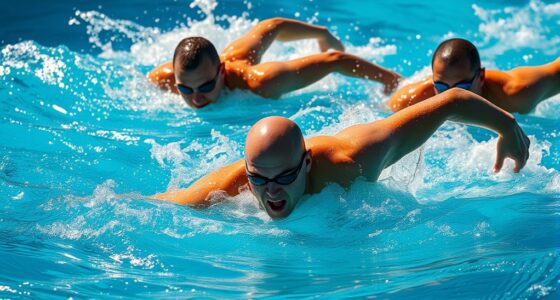
Cold water immersion can boost your recovery by reducing muscle soreness, inflammation, and speeding up tissue repair, especially with short sessions kept between 50-59°F for 2-3 minutes. It also offers mental benefits like increased focus, mood improvement, and stress relief. However, it’s important to start gradually, monitor how your body reacts, and follow safety guidelines to avoid risks like hypothermia. If you continue exploring, you’ll discover how to maximize its benefits safely.
Key Takeaways
- Cold water immersion aids muscle recovery, reduces soreness, and enhances athletic performance through improved blood flow and waste removal.
- It can boost mental clarity, mood, and resilience by triggering endorphin release and stress reduction.
- Temperatures should be kept between 50-59°F (10-15°C), with sessions lasting 2-3 minutes to ensure safety and effectiveness.
- Risks include hypothermia and adverse reactions; gradual adaptation and monitoring body signals are essential.
- Consistent practice and proper protocols improve physical and mental health benefits while minimizing safety concerns.
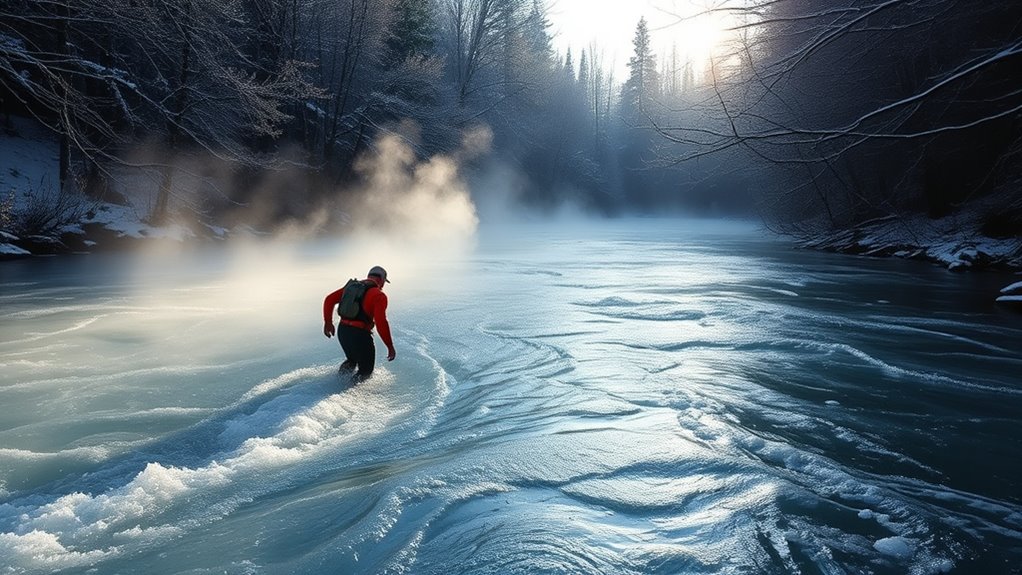
Have you ever wondered how cold water immersion can boost your recovery and overall well-being? This practice, also known as cold plunging or ice baths, has gained popularity among athletes and wellness enthusiasts alike. When you immerse yourself in cold water, you’re not just cooling your body—you’re also influencing your mental health and athletic recovery in powerful ways. The immediate shock of cold water can help reduce inflammation and muscle soreness, making it easier for you to bounce back after intense workouts. But its benefits extend beyond physical recovery; many find that cold water immersion can sharpen mental clarity, reduce stress, and improve mood, contributing to a more balanced mental state.
Cold water immersion enhances recovery, sharpens mental clarity, and boosts mood for overall well-being.
As you step into the cold water, your body responds by constricting blood vessels, which reduces swelling and flushes out metabolic waste products from your muscles. Once you leave the cold environment, your blood vessels dilate, bringing fresh blood, oxygen, and nutrients to your tissues—accelerating your recovery process. This cycle not only aids athletic recovery but also enhances your mental resilience. The brief exposure to cold can trigger the release of endorphins and other feel-good chemicals, helping to lift your mood and combat feelings of anxiety or depression. Many athletes and individuals dealing with mental health challenges find that regular cold water immersion provides a sense of calm and mental clarity, making it a valuable addition to their wellness routines. Additionally, consistent practice may promote enhanced immune function, helping your body to better defend against illnesses.
However, it’s important to approach cold water immersion with caution. If you’re not prepared or have underlying health issues such as cardiovascular problems, hypothermia risk increases. Always start with shorter sessions, around 2-3 minutes, and gradually extend your time as your body adapts. Using a thermometer to ensure water stays within a safe temperature range—typically between 50-59°F (10-15°C)—can help prevent adverse effects. Remember, it’s not just about the physical benefits; your mental health can also be compromised if you push too hard or ignore your body’s signals. Listen to your body, and if you feel dizzy, excessively uncomfortable, or unwell, it’s best to exit the immersion immediately.
Incorporating cold water immersion into your routine can be a game-changer for both your athletic recovery and mental health. When done properly, it offers a natural way to reduce inflammation, elevate your mood, and build mental resilience. Just start slow, stay safe, and observe how your body and mind respond. With consistency, you might find this simple practice becomes a cornerstone of your holistic approach to health and well-being.
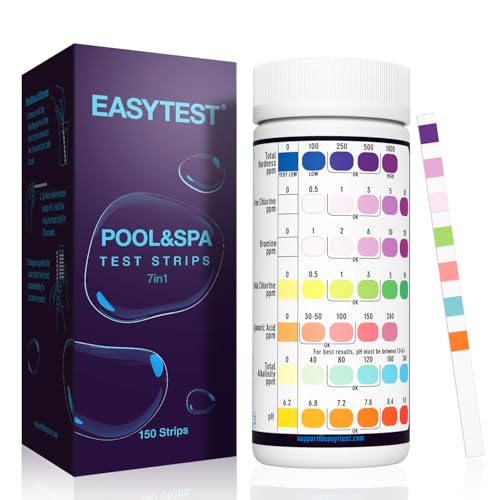
EASYTEST 7-Way Pool Test Strips, 150 Strips Water Test for Hot tub and Spa
- 150 Test Strips Included: Enough for multiple water tests
- Fast and Accurate Results: Soak for 1 second, read in 15 seconds
- 7-in-1 Water Testing: Tests Bromine, pH, Chlorine, Alkalinity, Hardness, Cyanuric Acid
As an affiliate, we earn on qualifying purchases.
Frequently Asked Questions
Can Cold Water Immersion Improve Mental Health or Mood?
Cold water immersion can improve your mental health and boost your mood. When you immerse yourself in cold water, it triggers the release of endorphins, which are natural mood enhancers. This practice may help reduce stress, alleviate symptoms of anxiety or depression, and promote overall emotional well-being. Regular cold water immersion can give you a sense of accomplishment and mental clarity, making it a useful tool for mood enhancement and mental health benefits.
How Does Cold Water Immersion Affect Immune System Function?
Cold water immersion boosts your immune system by modulating immune responses and reducing inflammation. While it may seem harsh, it stimulates your body’s inflammatory response to improve immune function over time. You might notice fewer illnesses and quicker recovery, as cold exposure enhances your body’s ability to fight off pathogens. Balancing cold immersion with proper protocols guarantees your immune system stays resilient, turning discomfort into long-term health benefits.
Are There Age-Specific Considerations for Cold Water Immersion?
You should consider age-specific considerations when engaging in cold water immersion, especially for youth safety. Young children and teenagers may have less developed thermoregulation, increasing the risk of hypothermia or shock. Always supervise youth carefully, limit immersion duration, and use appropriate water temperatures. Consulting a healthcare professional beforehand guarantees safe practices tailored to their age and health status, helping prevent adverse effects while enjoying the potential benefits.
Can Cold Water Immersion Replace Traditional Recovery Methods?
Sure, cold water immersion can seem like the magic pill for recovery, but it shouldn’t replace traditional methods. While it’s a cool alternative for thermal regulation, you still need proper rest, nutrition, and active recovery. Think of it as a helpful supplement, not the entire recovery plan. Relying solely on cold water immersion might leave you missing out on other essential strategies to optimize your healing process.
What Are the Environmental Impacts of Cold Water Immersion Practices?
You might not realize that cold water immersion practices can impact environmental sustainability and ecosystem health. Using heated or chlorinated pools, for example, consumes significant energy and chemicals, which can harm local ecosystems. Additionally, frequent use of natural water bodies can disturb aquatic habitats. To minimize your environmental impact, opt for eco-friendly facilities, conserve water, and avoid disrupting wildlife, ensuring your recovery methods support both your health and the planet.
Conclusion
Don’t let the fear of discomfort hold you back from experiencing cold water immersion’s benefits. While it might seem intense at first, starting slowly and following proper protocols can make it safe and rewarding. Remember, you don’t need to plunge into it for hours—just a few minutes can boost recovery and mental clarity. Embrace the chill, and you’ll discover how this simple practice can transform your wellness routine. Give it a try—you might just love the rejuvenation it offers.