
TL;DR

Get pool and patio gear delivered free with Prime
- Fast, free delivery on millions of items
- Prime Video, Amazon Music and more included
- Member-only deals all year
A trending DIY approach suggests using a piece of old chain-link fencing to address four common lawn problems simultaneously. While the method is gaining popularity, official confirmation and detailed results are still pending.
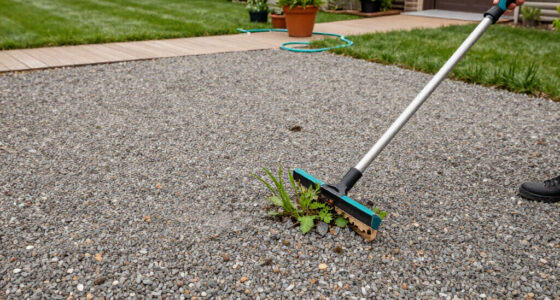
Homeowners are increasingly exploring a simple DIY trick that involves using a piece of old chain-link fencing to address four common lawn problems simultaneously. This approach, which has gained viral attention on gardening forums and social media, promises an easy and cost-effective solution for issues like poor drainage, weed control, compacted soil, and uneven grass growth. While no official studies confirm its effectiveness, the trend underscores a growing interest in low-cost, do-it-yourself lawn care methods.
The method involves repurposing discarded chain-link fencing, cut into manageable sections, and placing it strategically on problem areas of the lawn. Advocates claim that this technique improves soil aeration, suppresses weeds, enhances drainage, and promotes healthier grass growth—all in one step. The trend originated from gardening communities sharing anecdotal successes, with some users reporting visible improvements within weeks.
Experts caution that these claims are largely anecdotal, and scientific validation is limited. Lawn care specialists emphasize that soil health, proper watering, and fertilization remain essential. Nonetheless, the DIY trick’s popularity is driven by its simplicity and the appeal of recycling old materials rather than purchasing new lawn products.
Potential Impact on DIY Lawn Care Practices
This trend could influence how homeowners approach lawn maintenance by encouraging cost-effective, environmentally friendly solutions. If proven effective, repurposing materials like chain-link fencing could reduce reliance on chemical herbicides and fertilizers, aligning with sustainable gardening practices. However, without scientific validation, the method’s long-term impact remains uncertain, and users should consider it as a supplementary technique rather than a definitive fix.
Products Worth Considering

Shark HydroVac MessMaster Wet/Dry Vacuum & Mop Combo (AW261)

Dyson V8 Cyclone Cordless Vacuum

Samsung 65-Inch The Frame Pro Neo QLED 4K TV (2026) Bundle with Modern Brown Bezel, HDMI Cables, and Home Theater Guide
As an affiliate, we earn on qualifying purchases.
Rise in DIY Lawn Improvement Trends
The interest in DIY lawn care has surged over recent years, driven by economic considerations and environmental concerns. Social media platforms have amplified this trend, with users sharing innovative ways to maintain lawns using recycled or inexpensive materials. The current popularity of the chain-link fencing trick fits within this broader movement toward sustainable, budget-friendly gardening practices. However, the specific efficacy of this method is still under observation, and experts advise caution until more data is available.
Effectiveness and Long-Term Results Still Unconfirmed
It is not yet clear how effective the chain-link fencing trick truly is over the long term. Most evidence is anecdotal, with no peer-reviewed studies or official trials confirming its benefits. The durability of the fencing material and its impact on different soil types or climate conditions remain unknown. Experts caution users to consider this as a supplementary method rather than a guaranteed solution.
Monitoring and Scientific Validation Pending
Researchers and gardening experts are expected to conduct controlled studies to evaluate the technique’s efficacy comprehensively. Meanwhile, homeowners experimenting with the method are advised to document their results and share findings. As interest grows, more data will clarify whether this DIY trick can be integrated into standard lawn care routines or remains a short-term trend.
Key Questions
Can I use any type of fencing for this trick?
While the trend specifically mentions chain-link fencing, experts recommend using fencing that is durable, rust-resistant, and safe for contact with soil and grass.
Will this method work for all types of lawns?
The effectiveness may vary depending on soil conditions, climate, and existing lawn issues. It is best suited for areas with poor drainage or compacted soil, but results are not guaranteed for all lawn types.
Is this a permanent solution?
No. The technique is intended as a DIY improvement and may need to be repeated or supplemented with other lawn care practices for lasting results.
Are there any risks involved?
Risks include potential damage to the fencing material or unintended soil disturbance. Users should ensure fencing is securely placed and monitor for any adverse effects.
Source: rss