
TL;DR

Get pool and patio gear delivered free with Prime
- Fast, free delivery on millions of items
- Prime Video, Amazon Music and more included
- Member-only deals all year
A Homes and Gardens report advises removing fallen, rotten and dried fruit from fruit trees and the ground in fall. Experts quoted in the report say infected debris can let some diseases and pests persist through winter and affect trees or fruit the next growing season. The specific risks depend on the disease and how waste is disposed of.
A Homes and Gardens report advises fruit-tree growers to remove rotting fruit from the ground and tree canopy in fall, saying infected debris can carry some diseases or pests through winter and threaten trees and fruit in the next growing season. The guidance comes from fruit-tree experts quoted by the publication; the source does not identify a newly issued scientific study or a change in official advice.
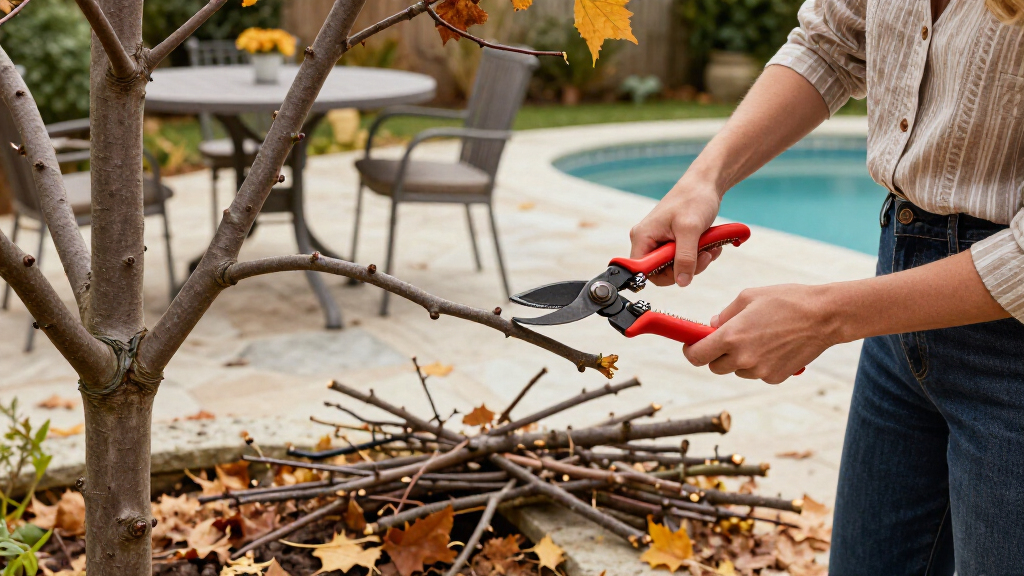
The cleanup involves collecting fallen fruit and leaves, then checking branches for dried fruit still attached to the tree. These dried fruits, often called mummies, may have been affected by fungi, disease or insects. The report recommends looking through the canopy as foliage drops, when old fruit may be easier to spot, and using a fruit picker or pole pruner where needed.
Susan Poizner, founder of Orchard People, told Homes and Gardens that some diseases can overwinter in leaves and fruit left on the ground. She used brown rot on peaches as an example: the fungus can produce spores in spring that may infect blossoms and later fruit. Matt Bunch, a horticulturist with The Giving Grove, said pests may remain in mummified fruit and cited brown rot in stone fruit as well as scab and black rot in apples.
The report recommends disposing of affected fruit in the trash or using a municipal composting facility rather than placing it in a home compost pile. Poizner cautioned that pathogens and pests may survive if a home pile does not get hot enough. Bunch said an active compost pile needs to reach 140°F to kill most pathogens and diseases; the report notes that achieving this requires appropriate moisture and a balance of materials, as well as regular turning.
Reducing Disease Risks Before Spring
Removing infected material can reduce sources of disease and pests near trees before the next growing season. That matters to home growers because, as the experts cited by the report explain, some infections can persist in fallen or attached fruit and affect later blossoms or fruit. The cleanup is a preventive step, not a guarantee of a healthy harvest: the report does not quantify how much it lowers disease risk or establish that it prevents every infection.
Careful disposal also matters. A home compost pile that does not reach sufficient heat may not kill all pathogens or pests, according to Poizner and Bunch. Gardeners who cannot verify composting conditions may prefer the report’s suggested options of municipal composting or disposal, while following local waste rules.
As an affiliate, we earn on qualifying purchases.
What Fall Cleanup Involves
Fruit can fall because of natural thinning, wind, lack of water, pests or disease, the report says. While some gardeners leave fallen fruit to feed wildlife, the experts quoted warn that diseased fruit and leaves may harbor organisms that can persist through winter. The advice is specifically about clearing debris that could pose a risk to fruit trees; it is not a claim that every fallen fruit is infected.
After cleanup, the report suggests applying organic mulch such as compost, leaf mold or bark to help protect trees from frost. It also notes a separate winter-preparation step for tender fruit trees grown in containers: move them to a protected place before cold weather. The article gives nighttime temperatures near 50°F as a point to watch for tender potted varieties including citrus, olives, peaches and avocados, and says container-grown trees are less hardy than trees planted in the ground.
“If you leave the leaves and fruits on the ground, some diseases can overwinter and come back the following year.”
— Susan Poizner, fruit-tree expert and founder of Orchard People, quoted by Homes and Gardens
Limits of the Fall Advice
The source is a gardening report, not a controlled study, and it gives no measured estimate of how much a fall cleanup reduces disease or improves yields. The risk also depends on the pathogen, pest and local conditions; the article’s examples should not be read as proof that all fallen fruit will infect a tree. It does not provide region-specific disposal guidance or explain how local municipal compost facilities process diseased plant material.
The article says compost should reach 140°F to kill most pathogens and diseases, but it does not say that this temperature eliminates every possible organism. Gardeners should follow local disposal guidance and seek advice from a local extension service or qualified horticulturist if a tree has a serious or recurring disease.
Inspect Trees As Leaves Drop
For growers following the report’s advice, the next step is to clear fallen fruit and suspect leaves, then inspect branches for dried fruit as the canopy thins. Dispose of affected material using a method suited to local rules, and check a compost pile’s temperature rather than assuming it is hot enough. After cleanup, growers can apply mulch and monitor forecasts to move tender container trees to shelter before cold nights arrive.
The source does not announce a scheduled follow-up or new research. The practical outcome will depend on growers’ local disease pressures, weather and ability to remove and dispose of affected material.
Key Questions
What should I remove from around a fruit tree in fall?
The report advises collecting fallen fruit and leaves, especially material that shows signs of disease, and removing dried fruit mummies from branches.
Why remove dried fruit still attached to branches?
Horticulturist Matt Bunch told Homes and Gardens that pests may remain in mummified fruit and that some diseases can return in the next growing season. The risks vary by disease and tree.
Can rotten fruit go into a home compost pile?
The report cautions that pathogens and pests may survive in a pile that does not heat sufficiently. It says an active pile needs to reach 140°F to kill most pathogens and diseases, and recommends municipal composting or disposal as alternatives.
Does fall cleanup guarantee a better fruit harvest?
No. The report presents cleanup as a preventive measure that may reduce sources of disease and pests; it provides no measured yield improvement and does not promise that trees will avoid infection.
Source: rss
Fall Picks
fall essentials
As an affiliate, we earn on qualifying purchases.