Training for a triathlon in a small pool is totally doable if you adapt your techniques. Focus on drills that mimic open water, like sighting, pacing, and bilateral breathing. Use fins and paddles thoughtfully to improve your form without over-relying on equipment. Incorporate endurance and navigation exercises, and practice water entry and exit for safety. If you keep exploring, you’ll discover how to maximize your pool sessions and combine them with open water skills for race day success.

Get pool and patio gear delivered free — and shop member deals
- Fast, free delivery on millions of items
- Access to Prime Big Deal Days deals on October 6–7
- Prime Video, Amazon Music and more included
Key Takeaways
- Incorporate sighting drills, straight-line swims, and pacing exercises to simulate open water conditions.
- Use fins and paddles strategically to improve technique without over-reliance, and practice water entry/exit safety.
- Build endurance with interval and long-distance swims, practicing bilateral breathing and navigation skills.
- Cross-train with other triathlon components and include open water simulation exercises in your pool workouts.
- Combine pool training with open water practice, prioritize safety, and develop familiarity with race transition points.
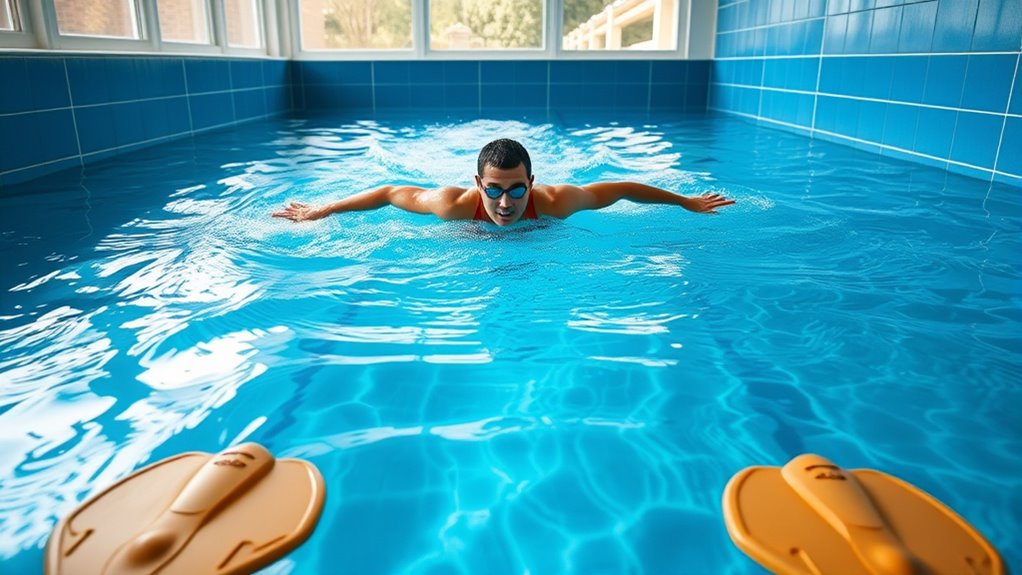
Training for a triathlon in a small pool might seem challenging, but with the right approach, you can build endurance and improve your technique effectively. While a pool doesn’t perfectly replicate open water conditions, there are ways to prepare yourself for the demands of the swim segment. Incorporating open water practice into your routine is essential; it helps you adapt to different water conditions, improves your sighting, and boosts your confidence. Even if your local pool is limited in size, you can simulate open water scenarios by practicing sighting drills, swimming in a straight line, and adjusting your pace for longer distances. These exercises help you develop a sense of navigation and pacing, which are vital when you’re surrounded by open water.
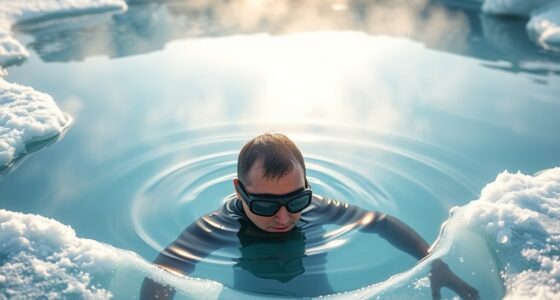
However, it’s equally important to prioritize open water safety during your training. Always swim with a buddy or under supervision when practicing in open water, and wear a brightly colored cap for visibility. Practice getting in and out of the water safely, and familiarize yourself with water entry and exit points. If possible, join organized open water swim groups or attend safety workshops to learn best practices. This preparation not only boosts your confidence but also ensures you’re aware of potential hazards, such as currents or changing weather conditions.
Prioritize open water safety: swim with a buddy, wear bright caps, and learn water entry and exit techniques.
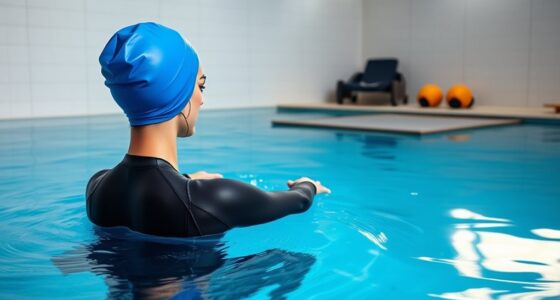
In your small pool workouts, focus on building endurance through interval training and long, steady swims. Use fins or paddles to strengthen your muscles and improve your technique, but avoid over-reliance on these tools. Remember, the goal is to mimic race conditions as much as possible, so incorporate drills that simulate open water challenges, like sighting every few strokes or swimming in a straight line for extended periods. You can also practice bilateral breathing to ensure you’re comfortable breathing on both sides, which is a common technique in open water to avoid waves or obstacles.
Consistency is key, so set a regular schedule that gradually increases your swim distance and intensity. Cross-train with other triathlon components to enhance overall endurance, but don’t neglect your swim-specific skills. By combining pool training with open water practice and safety awareness, you’ll be well-prepared for race day. Remember, a small pool isn’t a barrier—it’s a stepping stone to a successful triathlon finish. With dedication and smart preparation, you can confidently tackle the swim segment, no matter where your race takes place. Additionally, understanding the importance of high-quality equipment like good goggles and caps can further enhance your training sessions and safety.
Frequently Asked Questions
Can I Simulate Open Water Conditions in a Small Pool?
You can simulate open water conditions in a small pool by adjusting water temperature to match open water. Use pool buoyancy aids to mimic the feeling of water resistance and help with body positioning. Incorporate sighting drills and practice drafting to replicate open water navigation. While it’s not perfect, focusing on water temperature and buoyancy can help you prepare for the unique challenges of open water swimming.
What Are the Best Techniques for Open Water Sighting?
You need to master sighting techniques to navigate open water effectively. Practice breath control so you can lift your head smoothly without losing momentum. Focus on sighting every few strokes, keeping your head low and eyes on distant landmarks. Develop navigation skills by consistently orienting yourself and maintaining a steady breathing rhythm. These skills help you stay on course, conserve energy, and swim confidently in open water.
How Do I Train for Transitions in a Small Pool?
To train for shifts in a small pool, focus on pool drills that mimic race scenarios, such as quick gear changes and rapid entry and exit from the water. Practice timing strategies like pacing your swim and run segments efficiently. Repeating these drills helps you become familiar with your transition rhythm, reducing time and stress during the actual race. Consistent practice builds confidence and guarantees smoother, faster transitions.
Is There a Specific Diet Recommended for Triathlon Training?
For triathlon training, you should focus on proper nutrition planning and meal timing. You need a balanced diet with carbs for energy, protein for recovery, and healthy fats. Eat smaller, frequent meals to fuel your workouts and optimize performance. Hydrate well and avoid heavy meals before workouts. This approach helps you maintain energy levels, improve endurance, and recover faster, making your training more effective and enjoyable.
How Can I Prevent Injuries During Small Pool Training?
Did you know that 70% of swimming injuries are due to overuse? To prevent injuries during small pool training, focus on injury prevention and training safety by warming up thoroughly and stretching. Use proper technique and avoid pushing yourself too hard too fast. Listen to your body, stay hydrated, and incorporate rest days. These steps help reduce strain and keep you safe while preparing effectively.
Conclusion
Even if your pool isn’t Olympic-sized, it can still be your secret weapon. With a little creativity and dedication, you’ll find that small waters can hold big progress. Remember, every splash counts, and your commitment will gently guide you toward your triathlon goals. So, keep paddling, stay motivated, and trust that even humble beginnings can lead to remarkable achievements. After all, greatness often starts in the smallest of pools.
Halloween Picks
halloween
As an affiliate, we earn on qualifying purchases.