
If you’re comfortable with basic tasks, you can handle supply selection, pool assembly, and some plumbing work, especially for above-ground pools. However, for tasks involving electrical wiring, excavation, or in-ground construction, it’s best to hire a professional to guarantee safety and code compliance. DIY can save money on simple steps, but complex or safety-critical parts benefit from expert help. Keep exploring to find out which tasks are suited for you and when to call in pros.
Key Takeaways
- Basic above-ground pool setup, including leveling and assembly, is suitable for DIY, but safety features should be carefully planned.
- In-ground pool construction involves complex excavation, plumbing, and electrical work, best handled by professionals for safety and code compliance.
- Installing energy-efficient equipment and planning system layout can be DIY, but expert guidance ensures optimal safety and compliance.
- Safety features like fencing and covers are essential initially; additional safety measures can be added later if properly planned.
- Tasks involving structural work, electrical wiring, and complex plumbing require hiring a professional to prevent hazards and ensure legal compliance.
Installing your own pool can be a rewarding project that saves money and provides a custom backyard oasis. However, before you dive in the process, it’s essential to understand what you can handle on your own and when it’s smarter to call in professionals. One of the key aspects you’ll want to focus on is pool safety. Proper safety features, such as secure fencing, non-slip surfaces, and safe pool covers, are vital for preventing accidents. While some safety measures can be added later, ensuring the initial installation meets safety standards is crucial. DIY installation allows you to customize safety features and control costs, but if you’re unfamiliar with local safety codes, hiring a pro might be the best move to ensure compliance and peace of mind.
Energy efficiency is another critical factor. When installing a pool yourself, you have the opportunity to select energy-efficient equipment, such as variable-speed pumps, solar heaters, and LED lighting, which can significantly reduce ongoing costs. You’ll need to carefully plan your plumbing and electrical systems to maximize energy savings. While some of these tasks are manageable if you have basic skills, others—like wiring and plumbing—may require specialized knowledge to avoid leaks, electrical hazards, or inefficient operation. If you’re unsure, it’s wise to bring in experts who can optimize your system for long-term energy efficiency and safety, ultimately saving you money over time.
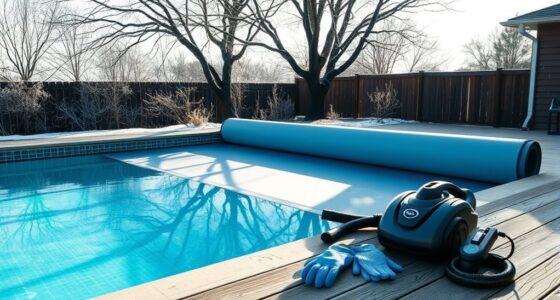
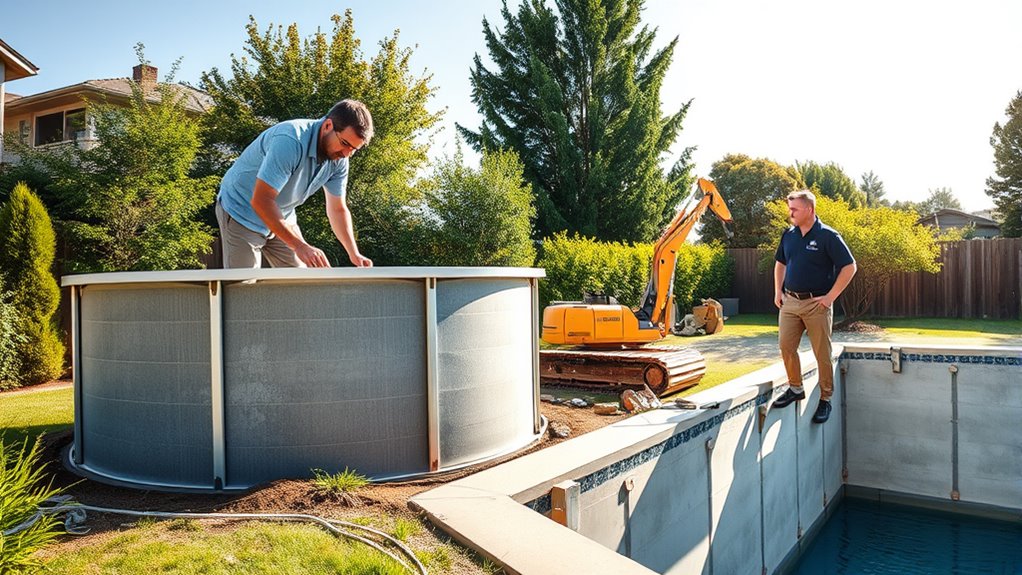
For smaller, above-ground pools, DIY installation is often straightforward and cost-effective. These pools typically come with detailed instructions, and with a little effort, you can handle the setup on your own. You’ll need to level the ground, assemble the components, and connect the filter and pump system. However, even with above-ground pools, you should be attentive to safety. Make sure the pool is stable and properly anchored, especially if you live in a windy area. While you can handle most of the setup, consulting a professional for a thorough site assessment and safety inspection can prevent costly mistakes later. Additionally, understanding the importance of proper pool safety features can help you create a secure environment for everyone.
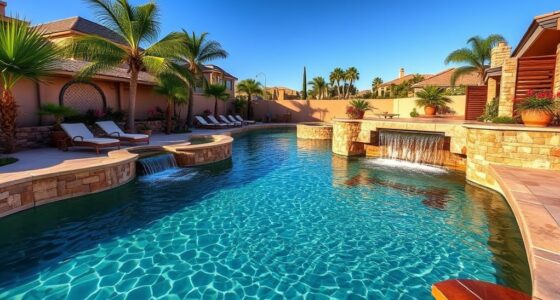
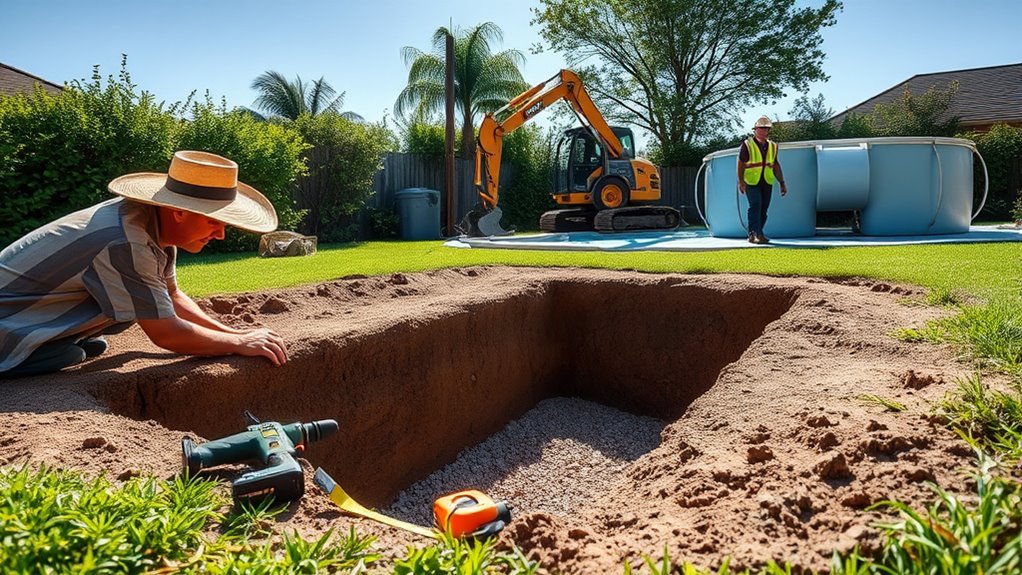
In-ground pools are a different story. They involve excavation, concrete, plumbing, and electrical work, which can be complex and time-consuming. Attempting these tasks yourself could lead to structural issues, safety hazards, or code violations. If you’re not experienced with construction or licensed trades, hiring professionals ensures the job is done correctly and safely. They can also help you design a pool that maximizes energy efficiency with the right insulation, covers, and equipment placement.
Frequently Asked Questions
What Permits Are Required for DIY Pool Installation?
Before starting your DIY pool installation, you need to check local permits and regulations. You’ll likely require a permit for pool fencing to guarantee safety standards are met. Additionally, managing water chemistry is essential for safety and maintenance, though it’s usually not permit-related. Contact your city or county office to clarify permit requirements, and make sure your plans comply with all safety and environmental rules to avoid fines or delays.
How Long Does a Typical DIY Pool Project Take?
A typical DIY pool project can take anywhere from a few days to several weeks, depending on your pool’s size, complexity, and your experience. During pool construction, you’ll need to plan carefully and stick to your budget, which might involve scheduling permits or equipment rentals. Keep in mind, unforeseen delays can happen, so it’s smart to allocate extra time and stay flexible to ensure a smooth process.
What Safety Precautions Should I Follow During Installation?
Think of safety as your lifeguard during pool installation. You should always wear safety gear like gloves, goggles, and a mask to protect against splashes and fumes. Handle pool chemicals carefully, mixing them in well-ventilated areas and following manufacturer instructions. Keep a fire extinguisher nearby, and never leave chemicals unattended. By staying vigilant, you guarantee a safe installation, turning your backyard oasis into a safe haven.
Can I Install a Pool on Any Type of Terrain?
You can’t install a pool on any terrain without considering terrain considerations. Some terrains, like rocky or uneven ground, may require extensive modifications. It’s essential to do soil testing first to assess stability and drainage. If your terrain isn’t suitable, you might need professional help or choose a different location. Proper planning ensures safety, reduces costs, and guarantees a long-lasting pool. Always evaluate terrain considerations before starting your DIY project.
What Maintenance Is Needed After DIY Pool Installation?
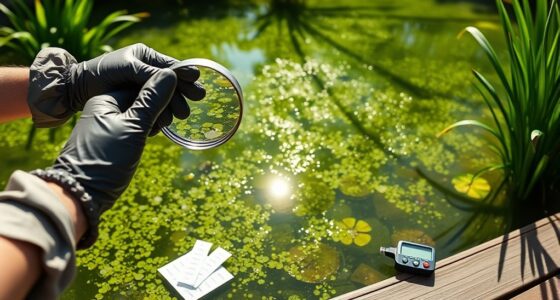
Oh, the thrill of maintaining your DIY pool—what could go wrong? You’ll need to regularly pool clean to keep debris out, and don’t forget chemical balancing to prevent algae and bacteria. Checking water levels, skimming leaves, and testing pH and chlorine are your new best friends. Sure, it’s a chore, but with consistent effort, your backyard oasis stays sparkling and safe for all your summer splashes.
Conclusion
While tackling your own pool can feel like diving into uncharted waters, knowing when to call in a pro is key to avoiding choppy seas. Think of it as steering a complex maze—you might reach the center on your own, but a guide ensures you don’t get lost. By understanding your limits and the project’s scope, you’ll keep your DIY adventure afloat and your backyard oasis sparkling without sinking into unforeseen trouble.