
TL;DR

Get pool and patio gear delivered free with Prime
- Fast, free delivery on millions of items
- Prime Video, Amazon Music and more included
- Member-only deals all year
A Country Living gardening report identifies 11 perennials that can be cut back after frost, including bee balm, hostas, phlox and peonies. It advises removing diseased foliage rather than composting it, while waiting for true lilies to die back naturally before trimming.
Country Living has outlined 11 perennials gardeners can cut back in fall to clear dead growth and, for some plants, reduce the chance that disease or pests carry over into spring. The report says timing varies by plant: many should be trimmed after frost, but true lilies should be left intact until frost has killed their foliage.
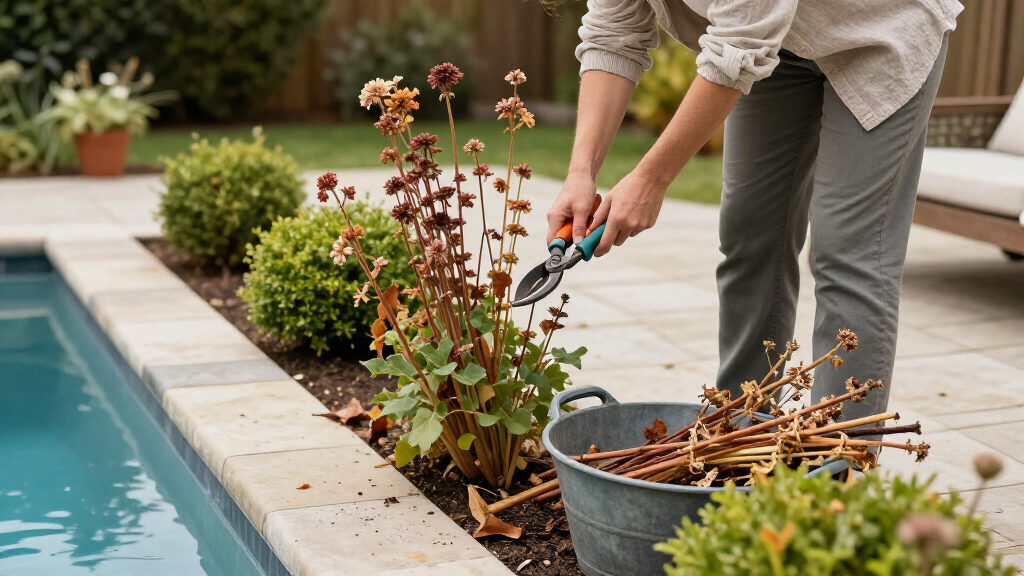
The list includes bee balm, hostas, catmint, garden phlox, irises, daylilies, veronica, yarrow, columbine, peonies and true lilies. The report recommends cutting bee balm and phlox after frost because they can develop powdery mildew, and removing diseased foliage from the garden rather than adding it to compost. It gives similar disposal advice for peony leaves and diseased iris foliage.
For hostas, the report recommends waiting until frost has killed and yellowed the leaves, then cutting them to about 2 inches above the soil. It says removing the foliage may also reduce places where slug eggs and voles shelter. Catmint can be cut to about 6 inches; yarrow should be trimmed back to new basal leaves, and veronica should be cut without damaging the basal foliage at the crown.
Daylily stalks and dead foliage, along with columbine’s spent flower stalks and foliage, can be removed after frost. Iris leaves can be cut down to the rhizome after frost, with diseased material discarded. For true lilies, the report says to wait until frost has killed the foliage because the leaves continue making food that is stored in the bulb for the following year.
Fall Cleanup Can Limit Carryover
The guidance matters because fall cleanup is not simply a matter of cutting every plant to the ground. Timing and disposal differ by species: removing foliage too early can interfere with food storage in lily bulbs, while leaving diseased plant matter in the bed or compost may preserve material gardeners are trying to remove.
The recommendations also distinguish between a tidier winter garden and plant-health steps. Some plants are cut back mainly because their frost-damaged growth looks unattractive; others are singled out because foliage may harbor disease or pests. Following the plant-specific instructions can help gardeners avoid treating all perennials alike, though the report does not claim that cutting back guarantees healthier growth or prevents infection.
As an affiliate, we earn on qualifying purchases.
The List Depends on Frost
Country Living’s article presents the recommendations as fall garden maintenance, with the first frost serving as the cue for most of the listed plants. Several instructions call for waiting until foliage has browned or died, rather than pruning according to a fixed calendar date. Local frost timing and growing conditions can vary, so the source’s seasonal cue is not a universal date for every garden.
The report focuses on 11 perennials and their foliage, not on a complete winterizing plan. It does not provide region-specific advice, pruning guidance for every perennial variety, or a detailed method for disposing of diseased material beyond saying not to compost it.
“Don’t compost diseased plants.”
— Country Living report on bee balm
Local Timing and Results Vary
The source does not specify a publication date, growing zone or local frost schedule, and it does not establish that fall cutting will prevent disease or pest damage in every garden. It is not clear how the advice should be adjusted for unusual weather, specific cultivars or local disease conditions. The report also does not identify a single disposal method for diseased foliage beyond advising that it should not be composted.
Prune After Plants Die Back
Gardeners following the report should use frost and the condition of each plant—not a single calendar date—to decide when to prune. After frost, they can remove the specified dead or diseased foliage, take care not to cut into basal growth, and keep diseased material out of the compost. For true lilies, wait until frost has killed the leaves; the source offers no further timetable beyond that seasonal guidance.
Key Questions
Which perennials does the report say to cut back in fall?
It lists bee balm, hostas, catmint, phlox, irises, daylilies, veronica, yarrow, columbine, peonies and true lilies, with timing and trimming instructions that differ by plant.
Should diseased perennial foliage go in the compost?
No. The report advises gardeners to discard diseased plant material rather than compost it, including affected bee balm, phlox, iris and peony foliage.
When should true lilies be cut back?
Wait until frost has killed the foliage. The report says the leaves continue making food that is stored in the bulb for the next year’s blooms.
How far back should hostas be cut?
After frost has killed and yellowed the leaves, the report recommends cutting hostas to about 2 inches above the soil.
Source: rss
Fall Picks
fall essentials
As an affiliate, we earn on qualifying purchases.