TL;DR

Get pool and patio gear delivered free — and shop member deals
- Fast, free delivery on millions of items
- Access to Prime Big Deal Days deals on October 6–7
- Prime Video, Amazon Music and more included
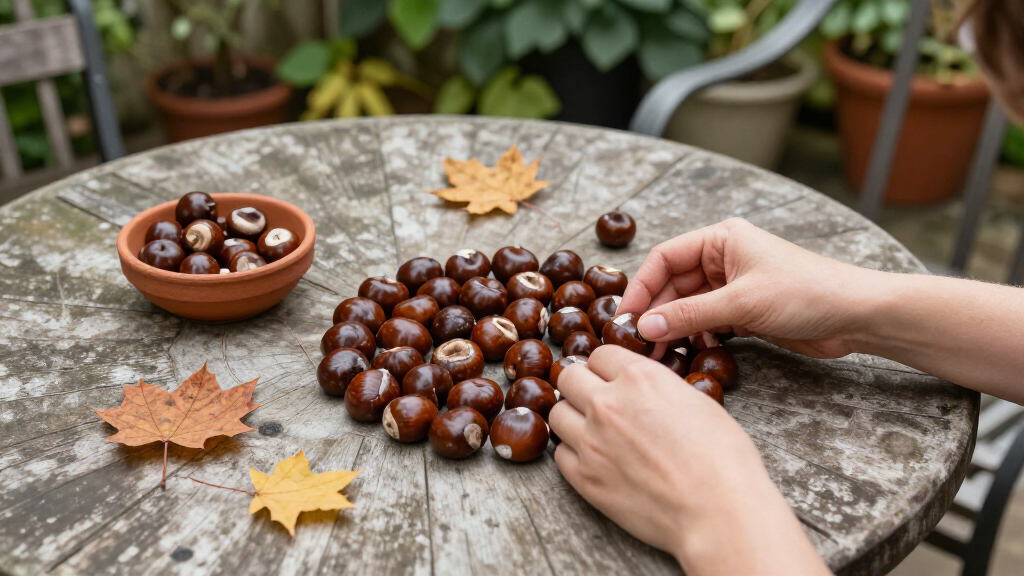
A report by Ideal Home outlines five ways to reuse conkers: add chopped seeds to compost, place them in wildlife habitat areas, use dried conkers as a moth deterrent, make seasonal decorations and prepare a soapy cleaner. Experts caution that conkers break down slowly, should be kept away from pets and livestock, and should not be used in compost for vegetables because they contain aesculin.
Ideal Home has reported five ways to reuse conkers around the home and garden this autumn, drawing on advice from gardening experts. The suggestions include adding crushed conkers to ornamental-garden compost, using them in wildlife shelter, trying dried seeds as a moth deterrent, making seasonal decorations and preparing a soapy cleaner.
Lucie Bradley, gardens and greenhouse expert at Harvst, said conkers can serve as a “brown” compost ingredient alongside leaves and twigs, helping balance nitrogen-rich materials such as grass clippings and kitchen scraps. She advised chopping or crushing them first because they take a long time to decompose. Bradley said decomposing conkers add trace minerals, including iron, copper and zinc, but cautioned that they contain aesculin; she recommended using resulting compost for ornamentals rather than vegetables.
For wildlife-friendly gardens, gardening expert Luke Newnes of Hillarys suggested placing conkers in habitat corners with logs, leaves and twigs to provide shelter for insects and other small garden creatures. He cautioned against leaving them where pets or livestock may eat them. Bradley also said the familiar claim that conkers deter spiders has no scientific basis. She instead described dried conkers as a possible moth deterrent: as they dry, they release a pungent scent, she said, that may discourage moths from settling in cupboards or drawers.
Newnes suggested combining conkers with fallen leaves, pinecones and pumpkins in seasonal displays, or threading them onto string for garlands. Bradley said conkers contain saponins, which form a lather when mixed with water, and can be used to make a simple cleaner for hands, gardening tools and some garden furniture. The report does not provide a recipe, cleaning-performance tests or specific instructions for preparing the mixture.
Practical Uses for Fallen Conkers
The suggestions offer households a way to put a common autumn find to use instead of discarding it, including for compost, habitat and decoration. The advice also separates traditional folklore from a more qualified claim: Bradley says the spider deterrent idea lacks scientific support, while moth deterrence is attributed to the scent released as conkers dry.
Some uses come with limits. Conkers decompose slowly, Bradley said, and she advised keeping their compost away from vegetable growing because of aesculin. Newnes warned that conkers should not be accessible to pets or livestock. These caveats matter for people deciding where to store, compost or display collected seeds.
From Autumn Collecting to Reuse
Conkers are the seeds of horse chestnut trees and are widely collected in autumn, including for the traditional children’s game. The Ideal Home report presents reuse as part of interest in sustainable gardening, but offers practical suggestions from two named experts rather than reporting a new study or official guidance.
The article distinguishes among the proposed uses: composting and wildlife shelter are garden applications; decorations and cleaning are household uses. Its pest advice challenges the popular spider claim and instead describes a possible use against moths. The report does not quantify the effectiveness or environmental impact of any of the five suggestions.
““Forming one of the ‘brown’ components for your compost bin, just like leaves or twigs, you can add conkers to help balance out the nitrogen rich ‘green’ materials.””
— Lucie Bradley, gardens and greenhouse expert at Harvst
Limits of the Conker Advice
The report does not provide independent tests of how well conkers deter moths, how long the effect lasts, or how much cleaning they can do. It also does not give a preparation method or safety guidance for the homemade cleaner. Bradley’s account of a pungent scent and moth deterrence is expert advice in the article, not a quantified effectiveness result.
The source gives no detailed guidance on suitable amounts of conkers for compost, how long they take to break down, or how to handle aesculin in finished compost. It advises using that compost for ornamentals rather than vegetables. The article also does not describe the risks if a pet or livestock animal eats a conker; Newnes’s stated precaution is to keep them out of reach.
How Gardeners Can Use Them
Readers can follow the report’s suggestions according to their intended use: crush conkers before adding them to ornamental compost, place them only in wildlife areas inaccessible to pets and livestock, or use them in seasonal displays. Anyone trying the cleaning or moth-deterrent ideas should treat the report as general expert advice; it offers no test results or detailed instructions.
The article describes seasonal reuse ideas rather than announcing a program or scheduled next milestone. It is not clear whether Ideal Home plans further reporting or whether additional testing of the proposed uses will be published.
Key Questions
Can conkers go in compost?
Lucie Bradley says they can be used as a brown compost ingredient. She advises chopping or crushing them because they take a long time to break down, and recommends using the finished compost for ornamentals rather than vegetables because conkers contain aesculin.
Do conkers keep spiders away?
Bradley says the claim that conkers deter spiders is an old wives’ tale with no scientific basis. She describes dried conkers as a possible moth deterrent instead, but the report gives no effectiveness measurements.
Can conkers be used to make a cleaner?
Bradley says their saponins form a soapy lather when mixed with water and suggests using it for hands, gardening tools and some garden furniture. The report does not include a recipe or testing results.
Are conkers safe to leave in a wildlife garden?
Newnes suggests using them with logs, leaves and twigs to create shelter for small garden creatures. He cautions that they should not be left where pets or livestock may eat them.
Source: rss
Halloween Picks
halloween
As an affiliate, we earn on qualifying purchases.