
TL;DR

Get pool and patio gear delivered free — and shop member deals
- Fast, free delivery on millions of items
- Access to Prime Big Deal Days deals on October 6–7
- Prime Video, Amazon Music and more included
A Country Living gardening report recommends taking fall cuttings from seven plants to grow new ones for the next season. Rosemary, lavender, geraniums and fuchsia are rooted in a growing mix; basil, mint and coleus can start in water, according to the report.
A Country Living gardening report describes how to propagate seven familiar garden plants from fall cuttings, giving gardeners a way to grow new plants for next spring and summer without buying starts. The guide, drawing on advice from Master Gardener Rhonda Fleming Hayes, sorts the plants by whether their stems should root in a growing mix or in water.
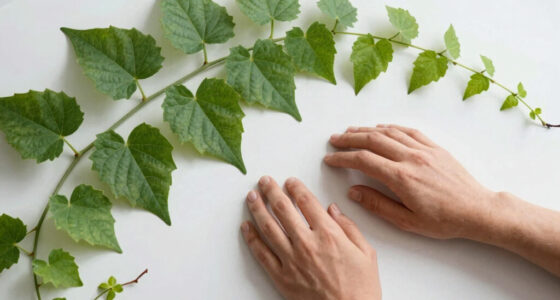
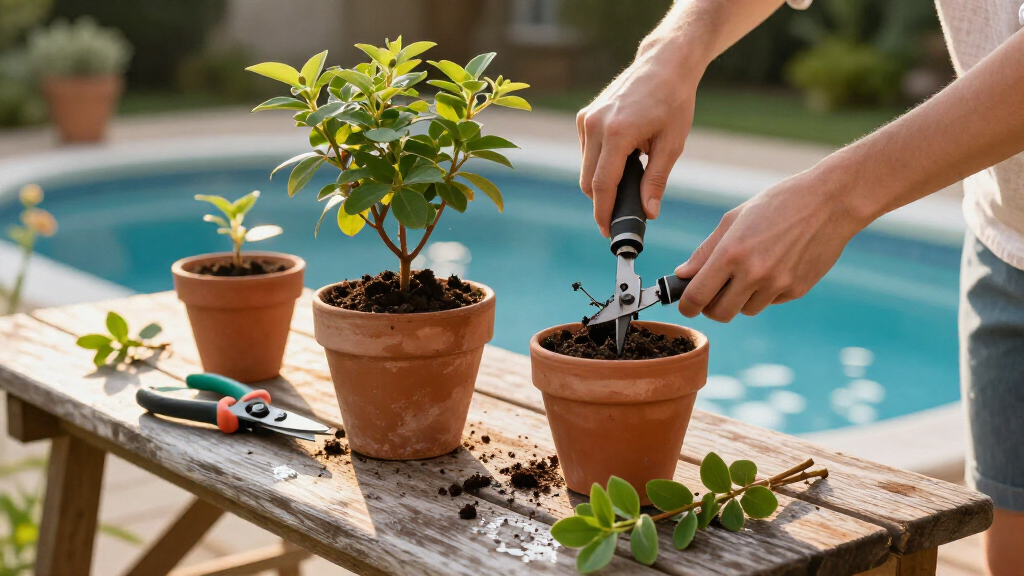
The report recommends using a well-drained growing mix for rosemary, lavender, geraniums and fuchsia. Its method calls for taking nonflowering stems about 3 to 5 inches long, removing lower leaves and trimming most of the top foliage. The cut end is dipped in water and rooting hormone before the stem is placed in a hole in the mix. Small nursery pots, a clear cover and consistent watering are part of the process described.
For basil, mint and coleus, the guide describes a water-rooting method: place a stem in a glass jar after removing leaves that would sit below the waterline. Once roots have formed, move the cutting into a container of potting mix, keep the soil moist and place it near a bright window or in a sunroom. The report advises planting cuttings outdoors after the threat of frost has passed.
Hayes recommends checking soil-rooted stems after a few weeks for gentle resistance, which can indicate that roots are developing. The guide says to move those cuttings to a sheltered outdoor setting and bring them inside if temperatures fall below freezing. In colder climates, it advises keeping them indoors in bright, indirect light until spring.
How Cuttings Stretch a Garden Budget
Taking cuttings can help gardeners multiply plants they already own and carry favorites into a new growing season. That may reduce spending on replacement plants, though the report does not quantify potential savings or give a success rate. Its suggestions also give gardeners a way to preserve plants that are being trimmed as beds and containers are prepared for colder weather.
The seven choices cover both culinary and ornamental uses. Rosemary, basil and mint can supply leaves for cooking, while lavender, geraniums, fuchsia and coleus offer fragrance, flowers or colorful foliage. A cutting is not a guaranteed new plant, and results may depend on conditions such as temperature, light and moisture.
Two Methods for Seven Plants
The report divides propagation by stem type. It says soft-stemmed plants such as basil, coleus and mint can root in water, while plants with woody or semi-woody stems need a growing mix. For the latter, Hayes advises against ordinary potting soil, describing it as too dense, and suggests a mix that drains sharply. She gives an example of 80 percent perlite and 20 percent other materials, such as sand or compost available from garden centers.
Fall is the focus because gardeners may already be cutting back faded flowers and preparing beds and containers. The report says early fall is a suitable time for lavender cuttings while plants are still healthy and active. It also suggests using geranium trimming as an opportunity to save stems. It does not specify a particular hardiness zone or date, so local frost timing matters when planning to move rooted plants outdoors.
“The garden may be winding down, but now’s the time to think about taking cuttings.”
— Rhonda Fleming Hayes, Master Gardener and author
Rooting Results Depend on Conditions
The guide does not report how many cuttings are likely to root, how long each of the seven plants typically takes, or whether all varieties respond equally well. It also does not provide a cost comparison between propagation and buying plants. Hayes’s method offers signs and care steps, but no outcome is guaranteed.
Local climate and indoor conditions can affect when cuttings should move outside. The report’s general advice is to wait until frost risk has passed before planting outdoors; it does not give region-specific dates. Gardeners in colder areas are advised to keep rooted plants inside in bright, indirect light.
From Rooted Cutting to Spring Planting
For soil-rooted stems, the next check in the report’s sequence comes after a few weeks: gently test for resistance, then keep successful cuttings in a sheltered place. Bring them indoors if temperatures drop below freezing. Water-rooted stems can move to potting mix once they have sufficient roots, with the soil kept consistently moist.
Both methods lead toward outdoor planting after frost danger has passed. The report gives no calendar date for that step, so readers will need to follow local conditions and the needs of their plants.
Key Questions
Which plants in the guide root in water?
The report lists basil, mint and coleus. Remove leaves below the waterline, then transfer the cutting to potting mix once it has sufficient roots.
Which plants should go into a growing mix?
The guide recommends a growing mix for rosemary, lavender, geraniums and fuchsia. It calls for good drainage and describes using rooting hormone on the cut end.
When can rooted cuttings be planted outside?
The report says to plant them outdoors after the threat of frost is over. It does not give region-specific dates.
How can I tell if a soil cutting is rooting?
After a few weeks, the guide suggests gently touching the stem. Some resistance can mean roots are developing, though it is not a guarantee of successful growth.
Source: rss
Fall Picks
fall essentials
As an affiliate, we earn on qualifying purchases.