
TL;DR
Gardening Know How’s ‘Dirt Cheap Gardening’ series details three ways to repurpose plastic storage totes in the garden: as a mini greenhouse, a seed starting tray, and a small raised bed. The author says the swaps require minimal modification and replace more expensive gardening products.
Gardening Know How has published a guide recommending plastic storage totes as low-cost substitutes for three gardening products: a mini greenhouse, a seed starting tray, and a small raised bed. The article, part of the site’s “Dirt Cheap Gardening” series, says most homeowners already have spare bins on hand and that even cracked totes or bins with lost lids remain usable with minimal modification.

Get pool and patio gear delivered free with Prime
- Fast, free delivery on millions of items
- Prime Video, Amazon Music and more included
- Member-only deals all year
The first method, described by the author as a favorite, converts a clear plastic tote into a mini greenhouse with no modification at all. The tote is flipped upside down over seedlings or tender plants and vented during the day by propping one side on a brick or rock. At night, the author says, it can be closed to protect plants from freezing temperatures and reopened in the morning. A lid placed underneath can serve as a base or as a bottom-watering tray, with water poured into the lid and absorbed through drainage holes in seedling containers.
The second use turns smaller bins into seed starting trays. The author recommends drilling drainage holes — at least a handful per square foot — or using a hot metal skewer, and cautions against knives or scissors, which the article says are more likely to cause injury and to crack brittle plastic. After filling the bin with seed starting mix, a lid placed underneath catches runoff, and a second tote of the same size or larger can be inverted over the top to keep seedlings warm on a drafty windowsill.
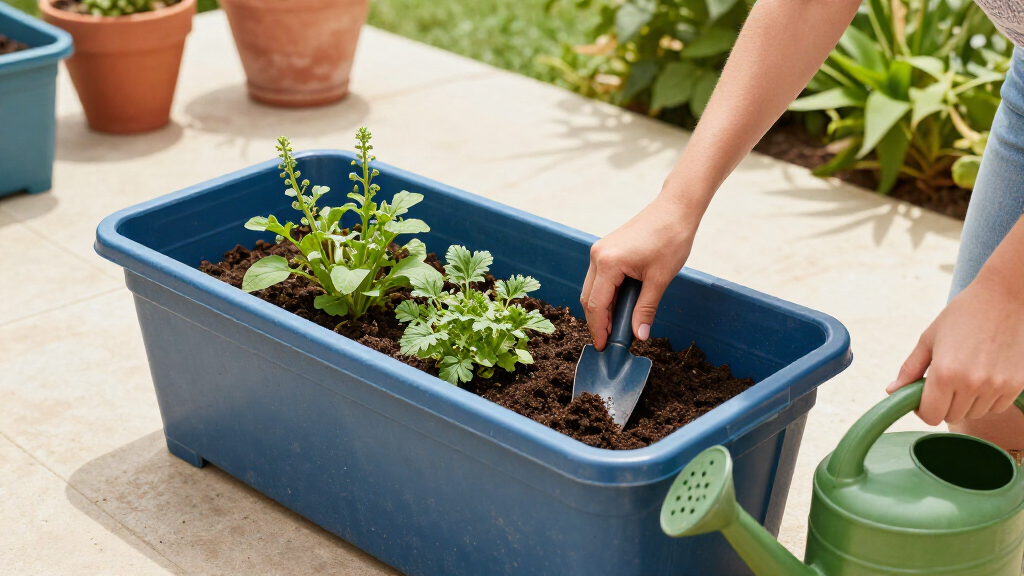
The third project converts a large tote into a mini raised bed for porches, patios, or balconies. Any color works and no lid is needed. After drilling drainage holes and filling the bin with potting mix — the author uses potting soil combined with organic compost — the bin is ready to plant. The article singles out potatoes as a crop that performs well in these containers, recommending a tote at least 15 inches deep for adequate root growth.
Why Tote Gardening Appeals Right Now
The guide reflects continued reader interest in low-budget gardening and repurposing household items rather than buying dedicated equipment. Storage totes, seed trays, and raised bed kits can each carry meaningful costs, and the article positions used bins — often free and already on hand — as functional stand-ins.
The raised bed option in particular speaks to gardeners with limited space or funds, since a tote-sized bed fits on a balcony or patio where a traditional bed is impossible. The mini greenhouse method also extends the growing season by protecting seedlings from late frost, which the author credits with her best vegetable harvest: after an early start under a tote greenhouse, she wrote that it “was the best year I’ve ever had in my vegetable garden.”
Products Worth Considering

Sonos Era 100 SL Compact Microphone-Free Speaker, Black

Samsung 48-Inch S90F OLED 4K Smart TV (2025)

Blueair Blue Signature SP4i Air Purifier for Large Rooms
As an affiliate, we earn on qualifying purchases.
From the Dirt Cheap Gardening Series
The article is an installment in Gardening Know How’s “Dirt Cheap Gardening” series, an ongoing collection of money-saving gardening tips written from the author’s personal experience. The site frames the series around finding free alternatives to expensive tools and gadgets.
The author notes that bins no longer suitable for indoor storage — because of lost lids or cracks — still work for these outdoor uses, which extends the useful life of plastic items that might otherwise be discarded.
“As a thrifty gardener, I’m always looking for free alternatives to more expensive tools and gadgets. One of my favorite low-cost swaps is a plastic storage tote.”
— Gardening Know How author, Dirt Cheap Gardening series
Limits and Caveats of the Tote Method
The article is based on one gardener’s experience rather than controlled testing, and several claims — such as the tote greenhouse contributing to her best-ever harvest — are personal observations the author herself hedges with “I think partially thanks to.”
The guide also notes clear limitations: the greenhouse method requires a clear tote, since colored bins block light; unvented totes can overheat and damage plants quickly; and plastic raised beds are expected to last only a few years in outdoor sun before degrading. Hole spacing, tote depth, and watering frequency are given as rough guidelines rather than tested specifications.
Whether food-grade concerns apply to growing vegetables in non-food-rated plastic bins is not addressed in the article.
Trying the Tote Swap This Season
Readers wanting to try the methods can start with the simplest option: a clear tote flipped over seedlings as a greenhouse, which the article says needs no tools. The seed tray and raised bed projects require a drill or hot skewer for drainage holes, plus potting or seed starting mix.
Gardeners planting vegetables in tote beds should verify drainage works before filling, choose a tote at least 15 inches deep for root crops like potatoes, and monitor temperatures inside any covered bin on sunny days. As with any container gardening method, results may vary by climate, sun exposure, and watering routine.
Key Questions
Do I need a clear plastic tote for all three garden uses?
No. Only the mini greenhouse requires a clear tote, because light must reach the plants. The seed starting tray and raised bed projects work with any color bin, according to the article.
Can I use a cracked tote or one with a missing lid?
Yes. The author says totes with cracks or lost lids can still be used, though a lid adds convenience as a base, water-catch tray, or bottom-watering reservoir.
How do I make drainage holes safely?
The article recommends a drill or hot metal skewer, aiming for at least a handful of holes per square foot. It advises against knives or scissors, which it says increase injury risk and can crack brittle plastic.
How deep should a tote be for growing vegetables?
For deep-rooted crops like potatoes, the author recommends a tote of at least 15 inches deep to allow adequate root growth.
How long will a plastic tote raised bed last?
According to the article, plastic totes are less durable than metal or wooden beds and will likely last only a few years of outdoor sun exposure before needing replacement.
Source: rss