
TL;DR
Many bird enthusiasts report their new feeders are being ignored. Experts recommend seven simple fixes to attract birds, including adjusting placement and food types. This trend shows rising interest in backyard birding.
Many bird enthusiasts are experiencing low bird activity at their newly installed feeders, prompting a surge in searches for solutions. Turn Your Yard Into A Migrating Bird’s Favorite Pit Stop – Add These 4 Elements To Your Garden To Help Them On Their Journey Experts advise that simple adjustments—such as changing placement, food, and feeders—can significantly improve bird visits. Treat Your Backyard Birds to These Amazon Prime Day Deals – Our Favorite Feeder, Bath and Birdhouse Discounts This trend underscores a growing interest in backyard birding and wildlife observation.
According to recent online searches and gardening forums, a significant number of people are installing new bird feeders but are noticing minimal bird activity. Common issues include poor placement, unsuitable food, and unappealing feeder designs. For more tips on attracting birds, check out our guide on turning your yard into a migrating bird’s favorite stop. Experts suggest that by implementing seven straightforward fixes, backyard birders can increase the likelihood of attracting local bird species.
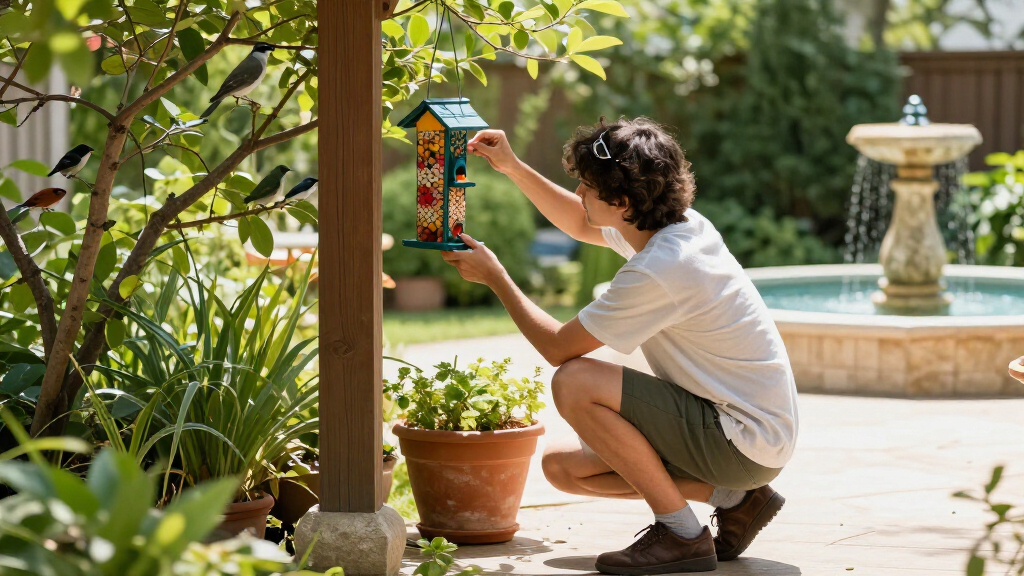
These fixes include positioning feeders in shaded, sheltered locations away from predators, using high-quality seed blends tailored to local bird species, and maintaining cleanliness to prevent mold and disease. Other recommendations involve adjusting feeder height, offering water sources, and diversifying food options to appeal to different bird types. Many birders report that these small changes lead to noticeable increases in bird visits within days or weeks.
Why These Fixes Matter for Backyard Birding
Understanding and applying these simple fixes can transform a neglected feeder into a thriving bird hotspot. For bird watchers and nature enthusiasts, this means more frequent sightings and a richer outdoor experience. Additionally, attracting local birds supports urban and suburban ecosystems by providing food sources and habitat, especially during scarce seasons. The rising interest in backyard birding also reflects broader trends in outdoor recreation and wildlife conservation, making effective feeder setup increasingly relevant for hobbyists and conservationists alike.
bird feeder with adjustable height
As an affiliate, we earn on qualifying purchases.
As an affiliate, we earn on qualifying purchases.
Background on Bird Feeder Attraction Challenges
Interest in backyard birding has surged in recent years, driven by increased outdoor activity and a desire to connect with nature. As more people set up bird feeders, reports of low initial bird activity have become common, often attributed to improper placement or unsuitable food. Experts have long emphasized the importance of proper feeder positioning, food selection, and maintenance, but many new birders are unaware of these best practices. The current spike in search interest indicates a widespread desire to optimize feeder effectiveness and attract a diverse range of bird species.
Unconfirmed Causes of Bird Avoidance at New Feeders
While these seven fixes are widely recommended, it is not yet confirmed which specific factors most commonly cause birds to ignore new feeders. Variations in local bird populations, seasonal changes, and environmental factors may influence effectiveness. Additionally, some claims about optimal feeder types or placement are based on expert opinion rather than definitive scientific studies, leaving room for further research.
Next Steps for Bird Enthusiasts and Researchers
Birders are encouraged to experiment with these fixes and share their results. Researchers and ornithologists may investigate the relative impact of different setup adjustments to develop more precise guidelines. As interest in backyard birding continues to grow, more data will likely emerge on the most effective methods for attracting diverse bird species to feeders, especially in urban and suburban settings.
Key Questions
What is the most common reason birds ignore new feeders?
The most common reason is poor placement, such as positioning feeders in exposed or unsafe locations, which deters birds from visiting.
Can changing the type of seed really attract more birds?
Yes, offering seed varieties that match the preferences of local bird species can significantly increase visits. For example, sunflower seeds are popular among many songbirds.
How often should I clean my bird feeder?
Experts recommend cleaning feeders at least once every two weeks to prevent mold, bacteria, and disease, especially during peak bird activity seasons.
Is providing water necessary to attract more birds?
Offering a clean, shallow water source can attract additional species and encourage frequent visits, particularly during dry or cold periods.
Are there specific plants I should add to attract birds?
Planting native shrubs and trees can provide natural food sources and shelter, complementing your feeder setup and encouraging more bird visits.
Source: rss