
TL;DR
A gardening feature in Ideal Home points to Monty Don’s Instagram photo of a tree fern corner as inspiration for planting in shady gardens. The article says tree ferns can bring height, texture and screening, but need consistently moist soil; exact growing conditions in Don’s garden were not reported.
Monty Don’s Instagram photo of a shaded planting area captioned “Dicksonia corner” has prompted an Ideal Home gardening feature on using tree ferns to add height and foliage to difficult garden corners. The article presents the plants as an option for gardeners seeking a lush look in dappled light, while noting that they need consistently moist soil.

Get pool and patio gear delivered free with Prime
- Fast, free delivery on millions of items
- Prime Video, Amazon Music and more included
- Member-only deals all year
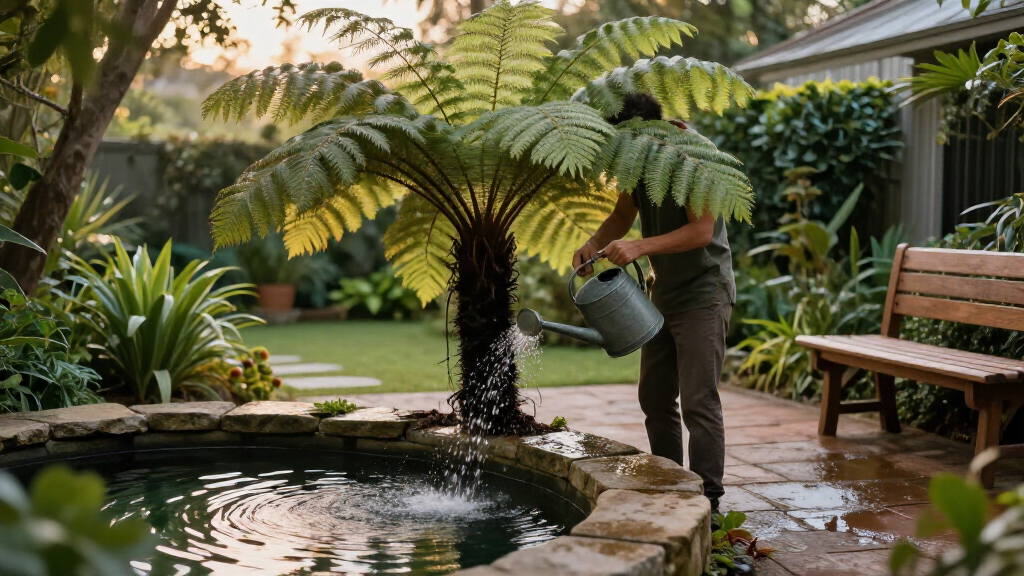
The image, as described by Ideal Home, shows large, feathery fronds and tree ferns at different heights. The feature says this layered arrangement adds texture and a three-dimensional effect to a border. It identifies the plants as Dicksonia, a group of tree ferns with an architectural form that can make a strong visual presence in shade.
Gary Farrell, a garden designer and founder of outdoor furniture brand Nth Degree, told Ideal Home that tree ferns can bring “a lushness and scale that few other plants can match” in shadier corners. He described their broad fronds as creating “drama and depth” and said they thrive in dappled light common in many UK gardens. These are an expert’s assessment of their design value, rather than a measured comparison with other plants.
The feature says tree ferns prefer soil that remains consistently moist and suggests mulching around the base to help retain moisture. It also states they are hardy to minus 5 degrees Celsius and may keep their foliage through the year in milder parts of the UK. The article names a Dicksonia antarctica log sold by YouGarden, but the supplied source does not provide independent growing results for that product.
Adding Height to Shady Borders
For gardeners with a darker border where many flowering plants may struggle, the feature offers a practical design idea: use tree ferns for height and structure, rather than relying only on low-growing shade plants. Their large fronds can create a screening effect and fill vertical space, according to the article. That could help make a shaded corner feel more planted and layered.
The idea comes with a care trade-off. Tree ferns are not described as the lowest-maintenance choice, and their preference for reliable moisture may make them a poor fit for dry borders or gardeners unable to water regularly. The feature’s suggestion to mulch points to a way to reduce moisture loss, but it does not establish how much watering a particular plant or site will need.
Products Worth Considering

Philips Hue Play Gradient Light Tube, Large, Black

LEVOIT Vital 200S-P Smart Air Purifier for Large Rooms

Levoit Core 400S-P Smart Air Purifier for Large Rooms
As an affiliate, we earn on qualifying purchases.
What the Dicksonia Image Shows
The source article builds its advice around a social media image from Monty Don’s Instagram account. It says the caption reads “Dicksonia corner” and describes a group of tree ferns in what appears to be a shaded area. Ideal Home uses that arrangement as a visual example of plants at varying heights and abundant foliage.
The article connects the display to wider uses for tree ferns, including garden screening, and describes them as hardy and suited to dappled light. It recommends considering moisture needs and mulching before planting. While it mentions a specific Dicksonia antarctica product and specialist feed, the central point is the planting approach, not a report of a new horticultural trial or a change in Don’s garden practice.
““Tree ferns bring a lushness and scale that few other plants can match, especially in shadier corners where most flowering plants struggle.””
— Gary Farrell, designer and founder of Nth Degree, quoted by Ideal Home
Growing Conditions Need Checking
The source does not give the location, soil, or watering routine for Don’s pictured corner, so readers cannot tell from the image how the plants are being maintained. It also does not specify how quickly tree ferns establish in different gardens or how much water they need under varying weather and soil conditions.
The stated cold tolerance of minus 5 degrees Celsius is presented in the feature without further detail on exposure, duration of frost, or protection. The article says the plants can remain evergreen in milder parts of the UK, but it does not promise year-round foliage in every region. Local conditions will affect results.
Plan for Moisture and Frost
Gardeners considering a tree fern can first check whether the proposed spot offers dappled shade and whether its soil can be kept moist. The feature recommends mulching around the base to conserve water. Its description of a YouGarden Dicksonia antarctica log says new fronds may unfurl within weeks, according to the retailer; that timing is a seller’s claim and may depend on growing conditions.
Before planting, readers should check care guidance for the particular tree fern and consider how local winter temperatures compare with the article’s stated tolerance. Ideal Home’s report provides inspiration from Don’s image, but it does not establish a single care schedule or guarantee that the same look will suit every shaded garden.
Key Questions
What are tree ferns?
Tree ferns are ferns that grow with a trunk-like stem and large fronds. The Ideal Home feature identifies the plants in Monty Don’s image as Dicksonia.
Do tree ferns grow well in shade?
The feature describes them as suited to shade and dappled light, and says their large fronds can add height and texture to darker garden corners.
What care do tree ferns need?
Ideal Home says they prefer consistently moist soil and suggests mulching around the base to help conserve moisture. Specific watering needs will vary by site and conditions.
Will tree ferns stay evergreen in winter?
The feature says tree ferns are hardy to minus 5 degrees Celsius and can retain foliage in milder parts of the UK. It does not guarantee year-round foliage in every location or exposure.
Source: rss