
TL;DR

Get pool and patio gear delivered free — and shop member deals
- Fast, free delivery on millions of items
- Access to Prime Big Deal Days deals on October 6–7
- Prime Video, Amazon Music and more included
A Homes & Gardens report lists seven plants that may benefit from October pruning, including asparagus, dahlias, raspberries and catmint. The advice is conditional: wait for plant-specific signs such as browning foliage or a first frost, and do not prune fall-fruiting raspberries yet.
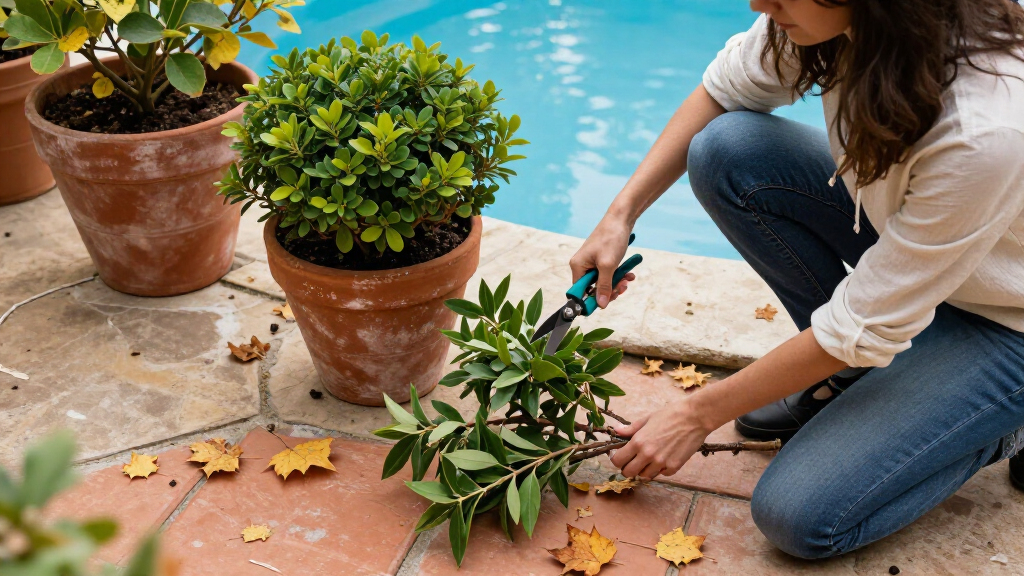
The report covers asparagus, dahlias, raspberries and catmint, along with hostas, roses and one other plant named in the article. It recommends cutting asparagus to ground level only after its fern-like foliage has turned yellow or brown, often after the first frost. The report says removing the old stems and debris can reduce places where asparagus beetles may overwinter.
For dahlias, the guide says to wait until the first frost has blackened the stems, then cut them to about six inches above ground. In colder regions, it recommends lifting the tubers, drying them and storing them in a dry, frost-free place. Gardeners in milder climates may be able to leave dahlias in the ground with protection, according to the report.
Raspberry pruning depends on the crop type. The article advises cutting spent canes of summer-fruiting raspberries to the ground after harvest, then spacing and supporting new canes. It says fall-fruiting raspberries should not be pruned in October, as they may still be producing fruit and should be cut back in late winter. Catmint can be trimmed lightly to remove drooping growth, while most stems should remain to help protect the plant over winter.
Timing Cuts Around Plant Growth
The practical point of the guide is that October is not a universal pruning deadline. Cutting at the wrong time can remove productive growth: fall-fruiting raspberries, for example, may still be carrying fruit, while asparagus needs its foliage to grow and store energy before it is cut back.
For gardeners, matching the task to plant condition and local weather can help limit winter damage and keep beds manageable. The report also highlights safety and maintenance concerns, such as catmint flopping over paths. These are general gardening recommendations, not a guarantee that plants will return stronger; results depend on climate, plant health and care.
asparagus fern and foliage removal tools
As an affiliate, we earn on qualifying purchases.
As an affiliate, we earn on qualifying purchases.
Why October Timing Varies
The guide describes October as a shift from summer growth toward winter preparation. Temperatures and frost dates vary by region, so the same calendar date can mean different things for gardens in northern areas, the Great Plains, the mid-Atlantic and milder climates.
Several recommendations rely on visible cues rather than a fixed date: asparagus foliage turning brown or yellow, and dahlias being blackened by a first frost. Raspberry pruning has a separate timing rule because summer- and fall-fruiting types produce on different canes. The source article’s headline refers to seven plants, but the supplied source text is cut off during its hosta section and does not include the full remaining instructions.
Advice Missing for Three Plants
The source material provided here ends partway through the hosta entry. It names hostas and roses among the seven plants but does not supply their full pruning instructions, and the seventh plant is not identifiable from the excerpt. Those recommendations cannot be reported from the available material.
The article also does not give a single set of dates that would apply across regions. Local frost timing, cultivar and growing conditions affect when pruning is appropriate, and the report’s general guidance does not establish that every plant will return stronger after pruning.
Check Conditions Before Cutting
Gardeners considering these tasks should first identify the plant and, for raspberries, whether it is summer- or fall-fruiting. They can then use foliage dieback and frost conditions to guide timing, rather than treating October as a fixed schedule. Dahlias lifted for storage should be kept dry and frost-free and checked for rot, according to the report.
The available source excerpt does not provide the missing hosta, rose and seventh-plant directions. Until those details are available, the specific advice for those plants remains unconfirmed here; gardeners should consult reliable guidance suited to their plant variety and local climate.
Key Questions
Which plants does the available October guide cover?
The supplied excerpt gives instructions for asparagus, dahlias, raspberries and catmint. It also names hostas and roses, but the excerpt ends before their instructions and does not identify the seventh plant.
Should all raspberries be pruned in October?
No. The report says to prune summer-fruiting raspberries after harvest by removing canes that fruited. It advises leaving fall-fruiting varieties alone until late winter because they may still be cropping.
When should dahlias be cut back?
The guide recommends waiting until the first frost has turned the stems black, then cutting them to about six inches above the ground. In colder areas, it advises lifting and storing the tubers in a dry, frost-free place.
Does October pruning guarantee stronger plants next year?
No. The headline is a gardening promise, not a guaranteed outcome. The report gives seasonal maintenance advice, but results depend on plant type, local weather and growing conditions.
Source: rss
Fall Picks
fall essentials
As an affiliate, we earn on qualifying purchases.