
TL;DR

Get pool and patio gear delivered free with Prime
- Fast, free delivery on millions of items
- Prime Video, Amazon Music and more included
- Member-only deals all year
Gardening Know How reports that crushed oyster-shell poultry grit can deter squirrels and underground pests from digging up tulip and crocus bulbs. The gardening advice calls for grit above and below in-ground bulbs, while noting that the method’s results may vary and that oyster shells can affect soil pH over time.
Gardening Know How recommends crushed oyster-shell poultry grit as a physical barrier to deter squirrels and other animals from digging up newly planted tulip bulbs. The report says the grit can also protect crocuses and underground bulbs from rodents such as voles, while improving drainage, but it does not provide trial data comparing the method with chicken wire or other protections.
The report describes a fall planting approach using crushed oyster shells, sometimes sold as chick grit, rather than flaked shells or poultry grit made from mixed materials. It says the sharp, jagged surface can make digging uncomfortable for animals. The advice is to check the product’s ingredients, since some grit is mixed with cheaper materials such as limestone.
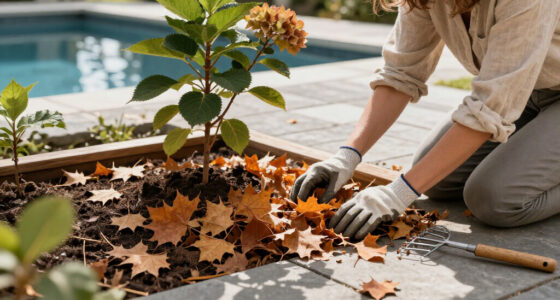
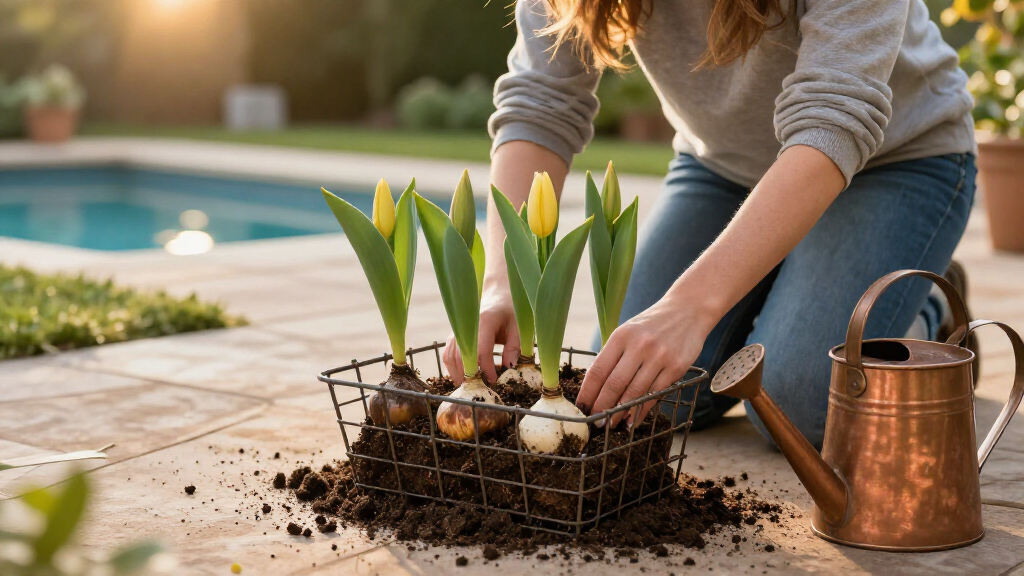
For bulbs planted in pots, Gardening Know How recommends applying an inch-thick layer on the soil surface. For in-ground planting, it advises adding an inch of grit at the bottom of the hole, placing the bulb on top, and adding another inch-thick layer below the soil surface. The report suggests packing a shallow layer around bulbs in gardens where voles, field mice or pocket gophers are a particular concern.
The article also says oyster shells break down slowly and release calcium, while creating air pockets that may help drainage. It cautions that adding a large quantity can affect soil pH over time, especially in soil that is already alkaline. The source says tulips and crocuses tolerate mildly alkaline soil, but offers no measurements of how much grit would change pH in a particular garden.
A Barrier for Newly Planted Bulbs
Animals can dig up bulbs soon after planting, before they establish roots, leaving gardeners with missing bulbs and fewer spring flowers. A method that can be incorporated during planting may help protect bulbs without laying mesh over the soil. The report presents grit as an alternative to chicken wire, bulb baskets and companion planting with less appealing alliums, but it does not establish that grit works better than those options.
The suggested approach may also be relevant where damage comes from below ground. Squirrels are not the only animals discussed: voles and other burrowing rodents may also seek out bulbs. For gardeners, the practical consideration is whether the added material and labor suit their soil and planting layout. The proposed drainage benefit could be useful in heavy or wet soil, but the source does not quantify any effect on bulb rot or flowering.
Products Worth Considering

Philips Hue Secure Starter Kit with Contact Sensors, Motion Sensor, Bridge, and Color Smart Bulbs

Philips Hue Smart LED Candle Bulbs, B39, E12, White and Color Ambiance, 2-Pack

Philips Hue Essential Starter Kit with Bridge and 4 E26 Smart Bulbs
As an affiliate, we earn on qualifying purchases.
How the Grit Is Applied
Fall-planted spring bulbs can attract wildlife before they have had time to root. Gardening Know How says tulips are appealing to squirrels and chipmunks, while crocuses are also vulnerable. The report frames crushed oyster-shell grit as one of several familiar protective measures, alongside wire, bulb baskets and planting alliums near more vulnerable bulbs.
The specific advice is to use crushed oyster-shell grit, not assume every product sold as chicken grit has the same composition or texture. In pots, it goes on the surface; in garden beds, it is placed beneath and above the bulb, with extra material around it if burrowing pests are a concern. The source also says a top layer may discourage raccoons and skunks from digging in freshly disturbed soil while searching for insects, though it does not say those animals eat bulbs.
“The report calls crushed oyster-shell poultry grit the “magic ingredient” for protecting fall-planted bulbs.”
— Gardening Know How
Effectiveness and Soil Effects
The source does not report a controlled comparison, success rate or long-term observations showing how well oyster-shell grit deters squirrels compared with chicken wire, baskets or other methods. Its headline claim that the trick beats chicken wire is therefore stronger than the evidence described in the article. Results may depend on the animals present, soil conditions and how the grit is applied.
It is also unclear how much grit is needed in different gardens or how long a protective layer remains effective. The report says the shells break down slowly and can release calcium, and warns that substantial additions may affect pH over time. Gardeners with already alkaline soil, or plants that prefer acidic conditions, may want to check their soil before adding large quantities. No specific pH change or timeframe is provided.
Check Soil Before Planting
Gardeners considering the method can follow the report’s placement instructions while checking that the grit is made from crushed oyster shells. Where soil pH is a concern, the source suggests testing it before adding shells. The report does not identify a formal follow-up study or a forthcoming test of the method, so its advice should be treated as a practical gardening recommendation rather than a verified guarantee against pests.
Key Questions
What does Gardening Know How recommend for protecting tulip bulbs?
It recommends crushed oyster-shell poultry grit as a barrier intended to discourage animals from digging up bulbs. The report does not provide a measured success rate.
How should oyster-shell grit be used around bulbs?
For pots, the report recommends an inch-thick surface layer. For in-ground bulbs, it advises placing grit beneath the bulb and another layer below the soil surface; it suggests surrounding bulbs with a shallow layer where burrowing rodents are a problem.
Does the method work better than chicken wire?
The report’s headline says it does, but the article provides no controlled comparison or performance data to establish that oyster-shell grit is more effective than chicken wire.
Can oyster-shell grit change garden soil?
The report says the shells release calcium slowly and may improve drainage. It also warns that adding a large amount can affect soil pH over time, particularly in soil that is already alkaline.
Source: gardeningknowhow.com