
TL;DR

Get pool and patio gear delivered free with Prime
- Fast, free delivery on millions of items
- Prime Video, Amazon Music and more included
- Member-only deals all year
Homes & Gardens published a design report listing six yard details that can make an outdoor space feel dated, cluttered or poorly maintained. Designers quoted in the article recommend restrained decoration, coordinated planting and durable, cared-for structures; the supplied source excerpt ends during its discussion of plastic pots.
Homes & Gardens has published a report identifying six yard details that, in the view of landscape and horticulture professionals it interviewed, can make an outdoor space feel dated, cluttered or neglected. The article proposes more restrained decoration, coordinated planting and durable, maintained features as alternatives, offering homeowners practical ideas for refreshing a yard without treating any single style as a universal standard.
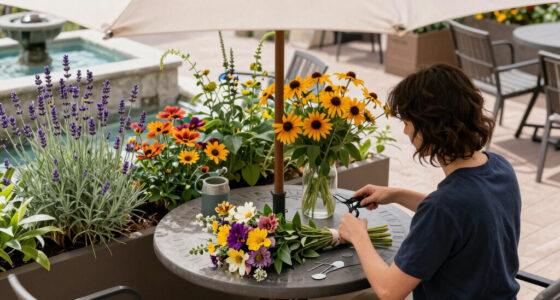
The report names novelty garden ornaments and clashing bedding plants among the choices it says can disrupt a garden’s appearance. It recommends replacing clusters of small figurines with one deliberate focal point—such as a stone sphere, metal sculpture or birdbath—and relying on a narrower, more harmonious color palette supported by varied foliage and grasses.
It also flags broken or damaged structures, including leaning trellises, peeling paint and warped pergolas. Tim Heneveld, country director for Pergolux in North America, tells the publication that damaged structures are particularly noticeable. The article suggests regular checks and durable supports, while noting that repainting worn wood in a dark, subdued shade can help it sit behind the planting.
The report’s six-item framing also includes flimsy plastic pots, and its introduction refers to blue-cast solar lighting and gray composite decking. However, the supplied excerpt cuts off partway through the pot section, before the full six-item list and its complete recommendations appear. The available material does not establish that the proposed alternatives have been tested against one another or that they will suit every garden.
Small Choices Shape a Yard’s Look
The report is aimed at homeowners deciding where to focus time and money when a yard feels visually unsettled. Its advice emphasizes that the effect may come not only from poor maintenance but also from accumulated decoration, competing colors or materials that do not work together. That framing points to lower-cost changes—editing ornaments, grouping plants or repairing paint—as possible first steps before replacing major features.
These are design judgments, not objective measures of quality. The source presents opinions from named professionals, rather than research showing that particular choices reduce property value or that one approach works across climates, budgets and personal tastes. Readers can use the recommendations as options for creating a more unified appearance, while weighing durability, upkeep and their own preferences.
Products Worth Considering

Bose SoundLink Plus Portable Bluetooth Speaker, Wireless Outdoor Speaker, Up to 20 Hours Battery Life, Waterproof and Dustproof, Black

Levoit EverestAir-P Smart Air Purifier for Large Rooms

Levoit Vital 200S-P Smart Air Purifier for Large Rooms up to 1875 ft²
As an affiliate, we earn on qualifying purchases.
The Report’s Design Approach
Homes & Gardens frames garden design as an exercise in restraint and cohesion, arguing that even a well-maintained plot can look disjointed when older trends, clutter and conflicting hardscaping accumulate. Its examples contrast small decorative accents and rigid bands of bright annuals with a more selective focal point and planting arranged in broader, coordinated groupings.
The article also treats structures and containers as part of a yard’s overall appearance, not just functional equipment. Heneveld’s comments connect regular care and durable materials with a tidier impression. The source identifies him as a representative of a pergola company, and Tammy Sons as a horticulturist and nursery founder; their views should be read with those professional roles in mind.
““Overusing small decorative accents is easily one of the most common missteps that cheapens a plot.””
— Tammy Sons, horticulturist and CEO of TN Nurseries, quoted by Homes & Gardens
The Source Excerpt Ends Mid-List
The supplied source text stops during the section on plastic pots. It does not provide the remainder of that section, the full details of all six items, or the complete designer alternatives for every item. The introduction mentions blue-cast solar lights and gray composite decking, but the available excerpt does not show how the report discusses them. No publication date is included, and the article’s aesthetic recommendations are not presented as measured findings.
Check the Full Article Before Acting
Readers seeking the complete six-item list and the omitted container advice will need to consult the full Homes & Gardens report. For homeowners applying the available suggestions, a practical next step is to review ornaments, planting colors and structures together, then prioritize repairs or small edits that fit the garden’s conditions and budget. The source provides no follow-up study or scheduled update, so further developments are not specified.
Key Questions
What is the report about?
Homes & Gardens’ report describes yard features that designers say can make a garden look dated, cluttered or neglected, and suggests alternatives intended to create a more cohesive appearance.
Which yard details are covered in the available source?
The excerpt discusses clusters of novelty ornaments, clashing bedding plants, damaged garden structures and flimsy plastic pots. Its introduction also mentions blue-cast solar lights and gray composite decking, but the excerpt does not provide their full sections.
What do the designers suggest instead of scattered ornaments?
Tammy Sons recommends avoiding clusters of small resin or plastic figures. The article proposes choosing one intentional focal piece, such as a stone sphere, metal sculpture or birdbath.
Does the report prove these choices lower a home’s value?
No. The material provided presents professional design opinions about visual effect. It does not cite research measuring property values or establish that the recommendations suit every yard.
Source: homesandgardens.com