
TL;DR

Get pool and patio gear delivered free with Prime
- Fast, free delivery on millions of items
- Prime Video, Amazon Music and more included
- Member-only deals all year
A report by Ideal Home says homeowners should inspect patios for storm damage, persistent puddles, blocked drainage and weakened garden structures after heavy rain and wind. Experts cited in the report say standing water and loose joints can worsen over time; they recommend clearing debris and seeking a drainage assessment if pooling continues.
Following high winds and heavy rain from Storm Austen and Storm Boelo, a report by Ideal Home advises UK homeowners to inspect patios for debris, standing water, blocked drains and damage to garden structures. Experts quoted in the report say prompt checks can help identify hazards and problems that may worsen with further rain, wind or freezing temperatures.
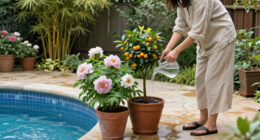
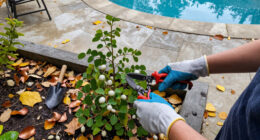
The first check is for visible damage and debris, including loose paving slabs, fallen branches and broken plant pots. Amber Tunney, plant buyer at Cherry Lane Garden Centres, said these could create trip hazards. Andrew White, an outdoor expert at Harbour Lifestyle, recommends clearing fallen leaves and debris, using a soft-bristled brush on delicate paving to reduce the risk of scratching it.
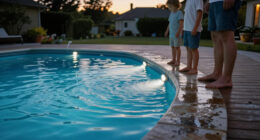
Homeowners should also look for puddles that do not drain, loose slabs and joints between paving that appear washed out. White said persistent standing water can weaken paving joints. If temperatures fall below freezing, water can expand and worsen existing cracks, according to his comments in the report.
A third check is for blocked drainage channels and gutters, where windblown leaves can collect. White advises clearing leaves from drainage grates rather than pushing them into corners, and checking whether water is gathering near walls, fences or pergola posts. Finally, inspect fences, pergolas, screens and furniture for leaning posts, loose fixings, movement at joints, rust on metal frames or splits in wooden connections.
How Patio Problems Can Worsen
The checks matter because a storm can leave behind problems that are not limited to scattered leaves or damaged furniture. Standing water and washed-out joints may affect paving, while loose slabs and fallen objects can pose immediate trip hazards. Blocked drainage can also leave water collecting near garden structures or buildings.
The report’s advice is preventative rather than a guarantee that repairs will be avoided. It recommends identifying visible issues before further severe weather, which could add pressure to already weakened paving or connections. Where water continues to pool after drains are cleared, White says a professional assessment of patio drainage is worth considering.
For residents, the practical point is to check the whole patio rather than only cleaning its surface. A clear paving area may still have a blocked drain, a loose fixing or water that repeatedly collects in the same spot. The report does not quantify how often these problems lead to costly repairs, but it links them to potential deterioration over time.
Products Worth Considering

Philips Hue Festavia Globe Outdoor String Lights, 32 Bulbs, 91 ft

Philips Hue Festavia 130-Foot Indoor/Outdoor Smart String Lights, 500 LEDs

iRobot Roomba 105 Vac Robot Vacuum
As an affiliate, we earn on qualifying purchases.
What the Storm Report Covers
The Ideal Home article followed a weekend of storms Austen and Boelo, which it described as bringing high winds and heavy rain to UK gardens. Its focus is on patio checks after a storm, rather than a wider assessment of damage, weather impacts or official repair guidance. The source material does not give a publication date, locations affected or a meteorological summary.
The recommendations are attributed to Amber Tunney of Cherry Lane Garden Centres and Andrew White of Harbour Lifestyle. They cover four areas: physical damage and debris; standing water and paving joints; drainage channels and gutters; and garden structures and furniture. The report also mentions cleaning products, pumps and furniture covers, but those are suggested tools or products, not official requirements.
“After a storm, check your patio for any damage, particularly loose paving slabs, fallen branches or broken plant pots that could be a trip hazard.”
— Amber Tunney, plant buyer at Cherry Lane Garden Centres
What the Report Does Not Establish
The source material does not identify the report’s publication date, the specific areas affected by the storms, or the severity of damage across UK gardens. It also provides no independent survey or data on how frequently patio problems lead to repair costs. The statements about risks and recommended checks are expert advice quoted by Ideal Home, not findings from a published inspection of patios nationwide.
It is also not clear how much damage any individual patio has sustained, whether a particular puddle signals a drainage defect, or what repair a specific property needs. Homeowners may need a qualified professional to assess persistent drainage problems or structural damage. The advice does not replace product instructions or an on-site safety assessment.
Inspect, Clear and Recheck
The next step recommended in the report is a visual patio inspection: remove loose leaves and debris, check paving and joints, clear drainage grates, and look for movement or damage in fences, pergolas and furniture. Cleaning should be suited to the paving material and used according to the manufacturer’s instructions, the report says.
After clearing drains, homeowners can watch whether water continues to collect. If pooling persists, White recommends arranging an assessment of the patio’s drainage. Any unstable paving or damaged structures should be approached cautiously, and further severe weather may make a recheck appropriate. The source does not announce a follow-up inspection or a new official warning.
Key Questions
What four things should I check on my patio after a storm?
Check for damage and debris, persistent puddles or loose paving, blocked drains and gutters, and weakened garden structures or furniture.
Why are puddles a concern if they remain after rain?
Andrew White told Ideal Home that persistent standing water can weaken paving joints. He said freezing temperatures can make water expand and worsen existing cracks.
What should I do if water still pools after I clear the drains?
White recommends getting the patio’s drainage assessed if water continues to pool after visible blockages have been cleared.
Which garden structures should I inspect?
Look over fences, pergolas and screens for leaning posts, loose fixings and movement around joints. The report also advises checking metal frames for rust and wooden joints for splits.
Source: rss