
TL;DR

Get pool and patio gear delivered free with Prime
- Fast, free delivery on millions of items
- Prime Video, Amazon Music and more included
- Member-only deals all year
A Gardening Know How report advises gardeners to check fall debris, bare branches and outdoor structures for seven pests that may overwinter in gardens. It recommends removing or pruning identified pests while leaving leaf litter and hollow stems where beneficial insects may shelter.
A Gardening Know How report lists seven pests that gardeners may be able to remove during fall cleanup, including squash bugs under dead vines, egg masses on tree branches and scale insects on stems. The advice focuses on finding overwintering pests before spring, while cautioning gardeners not to clear away every patch of leaves or hollow stems, which can shelter beneficial insects.
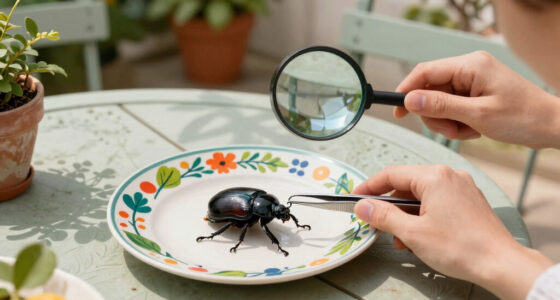
The report says many garden pests overwinter as eggs, pupae or dormant adults in fixed locations, making some easier to find after plants lose their leaves. It recommends starting with areas that had pest problems during the growing season rather than treating every part of a garden. Suggested tools include gloves, pruners, a scraper and, for small aphid eggs, a magnifier.
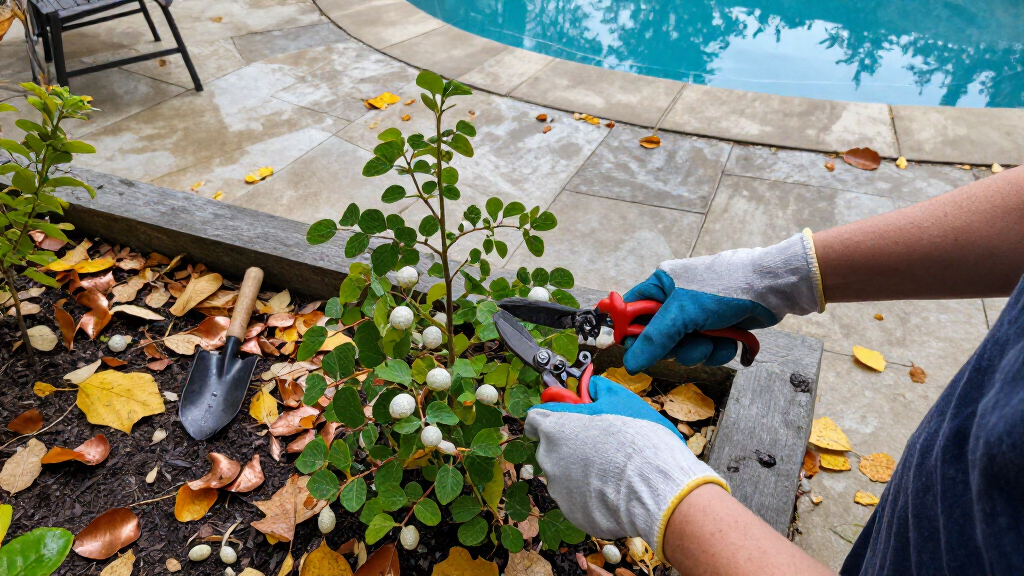
For squash bugs, it recommends removing dead squash and pumpkin vines and checking nearby leaf litter and boards. For viburnum leaf beetles, gardeners can look for rows of raised egg-cap bumps near the tips of new twigs and prune affected branches. Eastern tent caterpillar eggs appear as shiny dark bands around slender branches, while spongy moth eggs form tan, fuzzy patches on tree trunks, fences and outdoor furniture. The report says tent caterpillar egg bands can be removed by cutting off the twig or crushing the band; spongy moth patches can be scraped into soapy water.
The other targets are iris borer eggs on old iris foliage, scale insects on woody stems and small black aphid eggs near buds or bark cracks. The report advises waiting until after a hard frost before cutting old iris leaves, and putting infested foliage in the trash rather than compost. It also describes winter pruning and a dormant oil treatment before buds swell as possible controls for aphid eggs. These are recommendations from the source, not a guarantee that a pest will be eliminated.
How Fall Checks Can Limit Spring Pests
Removing a visible egg mass or infested plant material can reduce the number of pests that emerge in a particular garden next spring, according to the report. The advice is most relevant to gardeners who saw damage this year: checking the same plants and nearby structures can make cleanup more targeted than indiscriminate clearing. For example, an affected viburnum may warrant inspection of twig tips, while a garden with squash damage may call for checking dead vines and adjacent debris.
The report also stresses a trade-off: clearing all leaves and stems may remove shelter used by lady beetles, ground beetles and native bees. Its recommendation is to remove identifiable pest habitat and affected material where practical, while leaving some areas undisturbed. Correct identification matters because the source warns that some egg cases or cocoons belong to beneficial insects and should remain in place.
Products Worth Considering

Dyson Car+Boat Cordless Handheld Vacuum

Dyson V8 Cordless Vacuum

Roborock Qrevo CurvX Robot Vacuum and Mop
As an affiliate, we earn on qualifying purchases.
Where the Seven Pests Overwinter
The report’s guidance is based on the different places pests use to survive winter. Some, including squash bugs and certain beetles, shelter as adults under plant debris or boards. Others remain as eggs attached to branches, bark, fences or foliage. Leaf fall can expose some of those sites, but tiny eggs—such as aphid eggs—may still be difficult to distinguish without magnification.
The listed pests are squash bugs, viburnum leaf beetles, eastern tent caterpillars, spongy moths, iris borers, scale insects and aphids. The source identifies spongy moth as a concern in the Northeast and upper Midwest, and says eastern tent caterpillars commonly feed on cherry and apple trees. These examples are not a claim that all seven pests occur in every region or garden.
Identification and Local Conditions Matter
The source does not provide a publication date, independent testing or region-by-region guidance for each recommendation. It also does not establish that every garden will benefit from removing all seven pests, or quantify how much spring damage a cleanup can prevent. The advice is presented as general gardening guidance, so pest presence and effective timing may vary with local climate, plant species and the specific insect.
Some identification can be uncertain from appearance alone: the report says a scale bump may be an adult, a young insect or a covering containing eggs, depending on the type. It also acknowledges that beneficial insects overwinter in garden debris. Gardeners should avoid removing an unfamiliar egg case or cocoon solely because it is visible, and should consult a local extension service or other reliable identification resource if unsure. The source mentions pesticide products, but does not provide a full assessment of their suitability, label directions or potential effects on non-target insects.
Inspect, Identify and Dispose Carefully
The next step for gardeners is to check plants and structures that had problems during the growing season, then remove only material they can identify as pest-affected. The report recommends pruning affected viburnum twigs, clearing squash vines after harvest, and checking tree bark, fences and outdoor furniture for egg masses. For iris foliage, it says to wait until after a hard frost before cutting it back.
Anyone considering a pesticide should follow the product label and confirm that the treatment is appropriate for the pest, plant and timing. The report says spring-hatched iris borer caterpillars are more vulnerable before they tunnel into rhizomes, and describes dormant oil for aphids before buds swell. It does not give a single schedule that applies everywhere. Further local guidance may be needed as conditions and pest activity differ by location.
Key Questions
Which garden pests does the fall cleanup report cover?
It covers squash bugs, viburnum leaf beetles, eastern tent caterpillars, spongy moths, iris borers, scale insects and aphids. The report describes where each may overwinter and suggests ways to inspect for or remove them.
Should I remove all leaves and garden debris?
No. The report cautions that beneficial insects, including lady beetles and ground beetles, may shelter in leaf litter, while native bees may use hollow stems. It recommends focusing cleanup on areas that had pest problems and leaving some habitat undisturbed.
When should old iris leaves be cut back?
The report says to wait until after a hard frost, because iris borer moths may continue laying eggs until then. It advises putting infested foliage in the trash rather than the compost pile.
How can I tell whether a bump on a branch is scale?
The report describes scale insects as small bumps on stems or branches that may come off when scraped with a fingernail. It notes that appearance varies by scale type, so an unfamiliar bump should be identified before treatment.
Does fall cleanup guarantee fewer pests next year?
No guarantee is given. Removing visible egg masses or infested material may reduce some overwintering pests, but the report does not quantify the effect, and results can vary with local conditions and pest identification.
Source: gardeningknowhow.com