
TL;DR

Get pool and patio gear delivered free — and shop member deals
- Fast, free delivery on millions of items
- Access to Prime Big Deal Days deals on October 6–7
- Prime Video, Amazon Music and more included
Fall is a convenient time to test vegetable beds because crops are out, access is easier and results may arrive before spring planting. The Planet Natural report advises sampling distinct beds carefully and waiting for lab recommendations before adding amendments; routine fertility tests may not detect contaminants.
Fall soil testing can help gardeners plan spring work while vegetable beds are clear, according to a Planet Natural report. The report says the timing gives gardeners a chance to collect samples and review lab recommendations before planting, but cautions that results are useful only when samples represent the bed and amendments are based on the findings.
The report recommends starting with one bed with a consistent history, such as similar crops, irrigation and past amendments. Raised beds should be sampled separately from paths and from neighboring beds managed differently. If one area has a recurring problem, it should get its own sample rather than being blended into a larger garden sample.
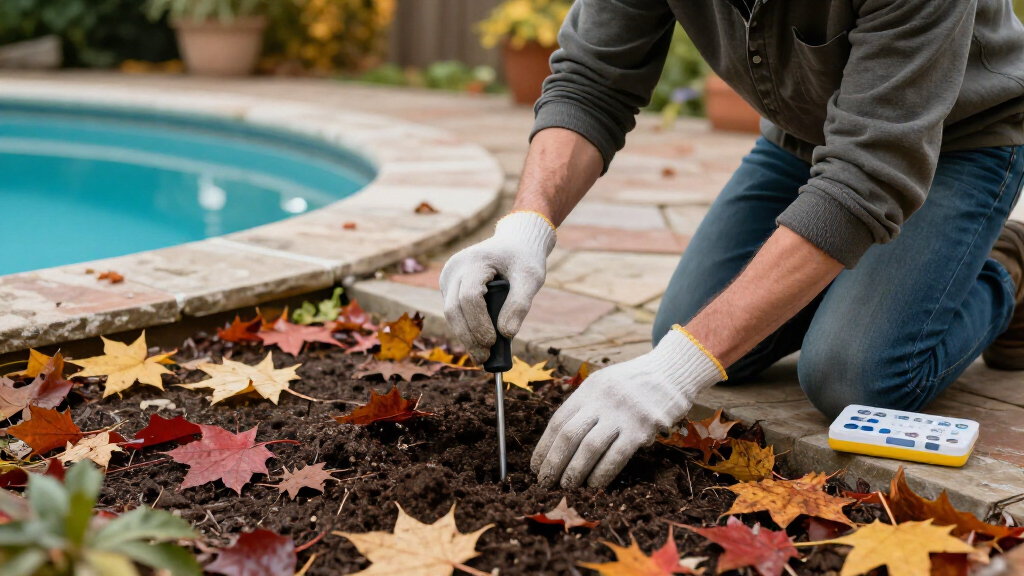
Before sampling, gardeners should remove surface debris and avoid taking soil immediately after adding compost, manure, fertilizer, lime or another amendment they want to evaluate. The report advises following the laboratory’s instructions, since sampling depth, packaging and test options vary. For a typical annual vegetable bed, several small samples taken at a consistent depth and mixed in a clean container can provide a more representative sample than soil collected from one spot.
A standard test may report soil pH, organic matter, texture estimates and selected nutrient levels, along with recommendations based on the crop use entered on the form. The exact test panel and interpretation differ by lab. The report advises recording the bed, sampling date and intended crop use, then keeping the results with a map so future decisions match the tested area.
Better Timing for Spring Soil Decisions
Testing in fall can leave time to consider recommendations before the busy planting season. Some changes, including certain pH adjustments, may need lead time; a fall report can help a gardener decide whether a supported action belongs on the winter or early-spring schedule. That does not mean every bed needs treatment. The report’s central point is to use results to guide specific decisions, rather than apply products simply because fall is a common time for garden work.
Waiting for the results may also prevent unnecessary spending. Adding fertilizer or other amendments before testing can spend money on nutrients already present and make it harder to understand the bed’s starting condition. A bed-specific spring plan can distinguish between work supported by the report, tasks to plan for later, and questions that need expert advice.
As an affiliate, we earn on qualifying purchases.
How to Collect a Useful Sample
The report says to take samples across the growing area in a loose pattern, avoiding unusual spots such as a fertilizer spill, compost pile edge, muddy low point or place where a pet regularly visits. Clean tools and a clean plastic bucket can help avoid contamination of the sample. If soil is very wet, gardeners should follow the lab’s directions for drying it before packing.
After results arrive, the report suggests checking the lab’s labels and units and following its recommendations alongside local guidance. Gardeners should not compare numbers from different laboratories as if they were necessarily measured or interpreted in the same way. Nor should they treat a general online amendment list as a prescription: the test concerns a particular bed, and its recommendations depend on the information supplied with the sample.
Possible contamination requires separate attention. A routine soil fertility test may not measure lead, other metals or soluble salts. Where a garden is near a possible contamination source, such as an older painted structure, busy road or industrial site, the report advises asking the laboratory or local Extension office which purpose-specific test is appropriate.
What a Routine Test Cannot Show
The source does not specify a particular laboratory, region, test price, turnaround time or universal sampling depth. Those details vary, so gardeners should use the instructions from the lab they choose. The report also does not provide a single amendment rate that applies to all beds; recommendations depend on the test, local conditions and intended crops.
A routine fertility panel may not answer questions about contaminants or soluble salts. If there is a reason to suspect either, it is not clear from an ordinary pH or nutrient result whether the soil is safe or what response is appropriate. The report advises contacting a lab or local Extension office for test selection and interpretation rather than improvising a remedy.
Turn Results Into a Spring Plan
Once the lab report arrives, gardeners can sort recommendations into actions to take now, tasks to plan before spring and questions that need more information. The report advises waiting for results before using fertilizer, lime, sulfur, manure or concentrated micronutrients as a placeholder. Gardeners can use the winter to check bed area, estimate materials called for by the report and fit any recommended work around crop rotations and planting dates.
For unusual results or possible contamination, the next step is to ask the testing lab or local Extension office about appropriate tests and local guidance. The report does not state a fixed schedule for when results will arrive or when every amendment should be applied; those decisions depend on the lab’s findings and local conditions.
Key Questions
Why test garden soil in fall?
Fall often leaves beds clear and easier to sample, and results may arrive in time to plan for spring. The timing is useful, but the report says representative sampling and lab guidance matter more than the season alone.
Should I add fertilizer before sending a sample?
No. The report advises sampling before adding fertilizer or other amendments you want the test to assess, then waiting for results before deciding what to apply.
Can I combine soil from different garden beds?
Only when the areas have a similar management history and the lab’s instructions allow it. The report recommends sampling raised beds and areas with distinct histories separately.
Does a standard soil test check for lead?
Not necessarily. The report says a routine fertility test may not cover lead, other metals or soluble salts. Ask the lab or local Extension office which test is suitable if contamination is a concern.
Source: rss
Halloween Picks
halloween
As an affiliate, we earn on qualifying purchases.