
TL;DR
Home design outlets are showing a surge of interest in bedrooms repainted from bright white to deep green, forest-inspired color schemes. The specific project behind the headline is confirmed only by its title; the trigger for the spike is unconfirmed.
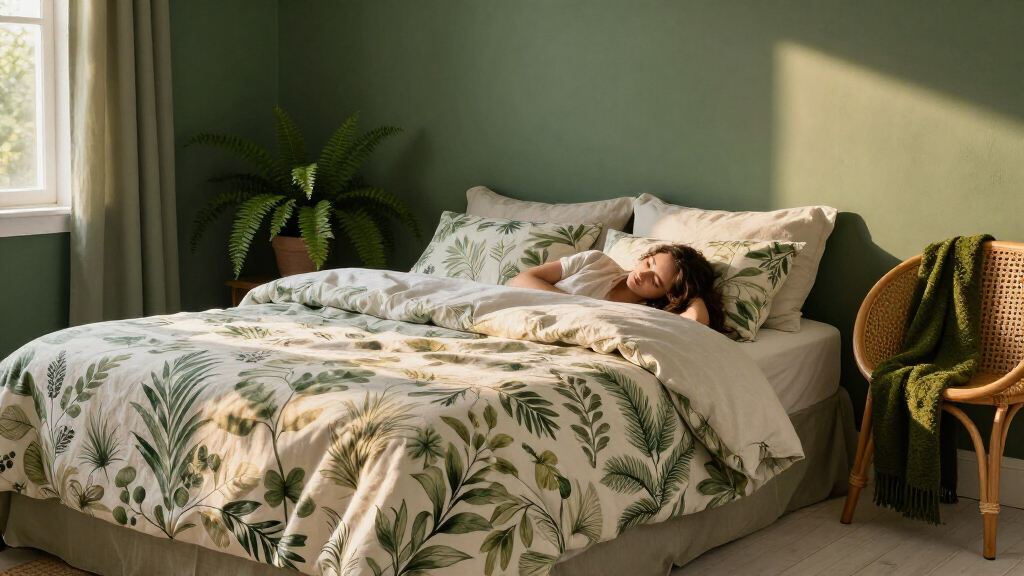
A home design feature describing a bright white bedroom transformed into a green, forest-inspired space is drawing wide attention, part of a visible increase in media coverage of green-painted bedrooms. The piece, shared through home design feeds under the headline “A Bright White Bedroom Is Now a Green Cocoon ‘Inspired by the Forest,'” reflects a broader shift in interior design interest away from the long-dominant all-white bedroom toward saturated, nature-based color.

Get pool and patio gear delivered free with Prime
- Fast, free delivery on millions of items
- Prime Video, Amazon Music and more included
- Member-only deals all year
What is verified at this point is limited to the existence and circulation of the feature itself. The headline confirms a before-and-after project: a bedroom that was previously bright white has been redecorated in green tones described as a “cocoon” and “inspired by the forest.” No publication date, designer name, location, paint colors, or budget figures have been confirmed from the available material.
The term “cocoon” is an established one in interior design writing, where it has long described rooms wrapped in a single deep color across walls, trim, and sometimes ceiling. Green — particularly muted, mossy, and deep forest shades — has been a documented color trend in home decor coverage for several years, appearing repeatedly in paint-brand color-of-the-year announcements and shelter-magazine features.
The current signal is a spike in coverage and search interest around this specific type of transformation: white bedrooms being repainted green. Comparable before-and-after features have appeared across home design websites and social platforms, typically emphasizing cocooning effects, moodier atmospheres, and nature-referenced palettes.
Why White-to-Green Makeovers Resonate
The attention this feature is receiving matters because it marks a turn in mainstream bedroom aesthetics. All-white bedrooms have been a default recommendation in home decor media for over a decade, prized for brightness and perceived spaciousness. A high-interest makeover that reverses that choice — going darker and greener — signals to readers, renters, and homeowners that saturated color is again being treated as a livable option rather than a design risk.
For readers considering a repaint, the trend offers practical takeaways: single-color “cocooned” rooms are a low-cost, high-impact change compared with furniture replacement, and green is frequently described in design coverage as restful and bedroom-appropriate. For the industry — paint brands, interior designers, and home retailers — sustained interest in green palettes shapes product lines and marketing through the coming seasons.
Products Worth Considering

Bose Home Speaker 500 Smart Bluetooth Speaker, Black

Bose Lifestyle Ultra Wireless Home Speaker, White Smoke

Ring Battery Doorbell Pro (2nd Gen) and Chime (3rd Gen) Bundle, Deep Silver and White
As an affiliate, we earn on qualifying purchases.
The Long Arc of Green in Home Decor
Green has a well-established history in interior design cycles. Deep greens such as hunter green, olive, and sage appear regularly in heritage paint ranges, and multiple major paint brands have named green shades among their colors of the year in the 2020s. The pairing of green with natural materials — wood, rattan, linen, and brass — is a recurring formula in shelter-media features.
The “inspired by the forest” framing in this headline sits within that lineage, describing palettes drawn from woodland tones: moss, fern, bark, and canopy greens. The before-and-after format — often showing a bright, neutral room followed by a darker, color-saturated result — is a staple format of home design publishing and a consistent driver of reader engagement.
“A Bright White Bedroom Is Now a Green Cocoon ‘Inspired by the Forest'”
— The feature’s headline
What the Makeover Feature Doesn’t Tell Us
Several things remain unconfirmed. The identity of the publication, designer, and homeowner behind the featured makeover is not established in the available material. The paint colors, techniques, cost, and timeline of the transformation are unknown. It is also unclear whether the current attention reflects an organic reader trend, a syndication cycle, or promotion by a specific outlet or brand. No quotes, statements, or project details beyond the headline have been verified, and the trigger for the spike in interest is unconfirmed.
Where the Green Bedroom Trend Goes
Readers can expect more before-and-after features in this vein if engagement holds: home design outlets tend to follow high-performing makeover formats with similar projects. Paint brands’ upcoming seasonal color announcements will indicate whether deep greens retain their prominence. Anyone planning a similar repaint should test colors in their own room’s light, since dark greens read very differently between north- and south-facing bedrooms, and verify product suitability for their wall surfaces before committing.
Key Questions
What is a “cocoon” bedroom?
It is an established design term for a room painted in a single deep color across walls, trim, and sometimes the ceiling, creating an enveloping effect. The featured project uses this approach with green tones.
Is this an official new design trend announcement?
No. The signal is a widely shared makeover feature and a rise in related coverage. No design authority, paint brand, or publication has made a confirmed announcement tied to this specific project.
Why are people moving away from all-white bedrooms?
Coverage in recent years has described growing interest in moodier, cozier rooms and nature-based palettes after a long period of white-dominant interiors. The exact reasons for this particular project are unconfirmed.
Which green shades are typically used in forest-inspired bedrooms?
Design features commonly reference moss, sage, olive, fern, and deep hunter or forest greens, often paired with wood, linen, and brass accents. The specific paints in this makeover are not confirmed.
Is painting a bedroom dark green a good idea for small rooms?
Design writers often say cocooning dark colors can work in small rooms, though results vary with natural light. Testing sample colors on the actual walls under different lighting is the standard advice before painting.
Source: rss