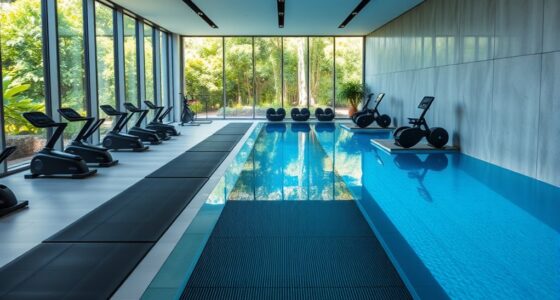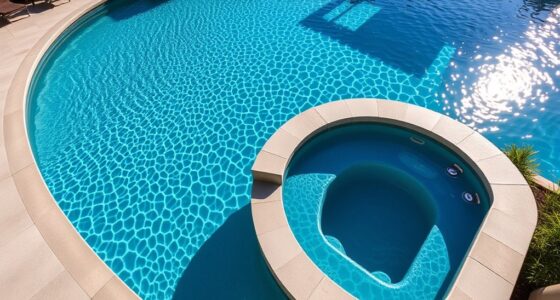
Yes, you can build a DIY lap pool at home, but it requires careful planning, proper safety measures, and regular maintenance. You’ll need to follow local building codes, install safety features like fencing and slip-resistant surfaces, and guarantee electrical safety with licensed electricians. Keeping the water clean and balanced is also key. While it’s a challenging project, understanding the essential considerations will set you up for success if you want to pursue it further.

Get pool and patio gear delivered free — and shop member deals
- Fast, free delivery on millions of items
- Access to Prime Big Deal Days deals on October 6–7
- Prime Video, Amazon Music and more included
Key Takeaways
- Building a DIY lap pool requires careful planning, including space, design, and safety considerations, to ensure functionality and compliance.
- Proper structural and electrical safety measures are essential, often necessitating professional consultation or assistance.
- Regular maintenance and water testing are crucial for water clarity, hygiene, and equipment longevity.
- Local building codes and safety standards must be followed, including fencing, lighting, and safety features.
- While feasible for some, a DIY lap pool can be complex and costly; consulting experts can help manage risks and ensure success.
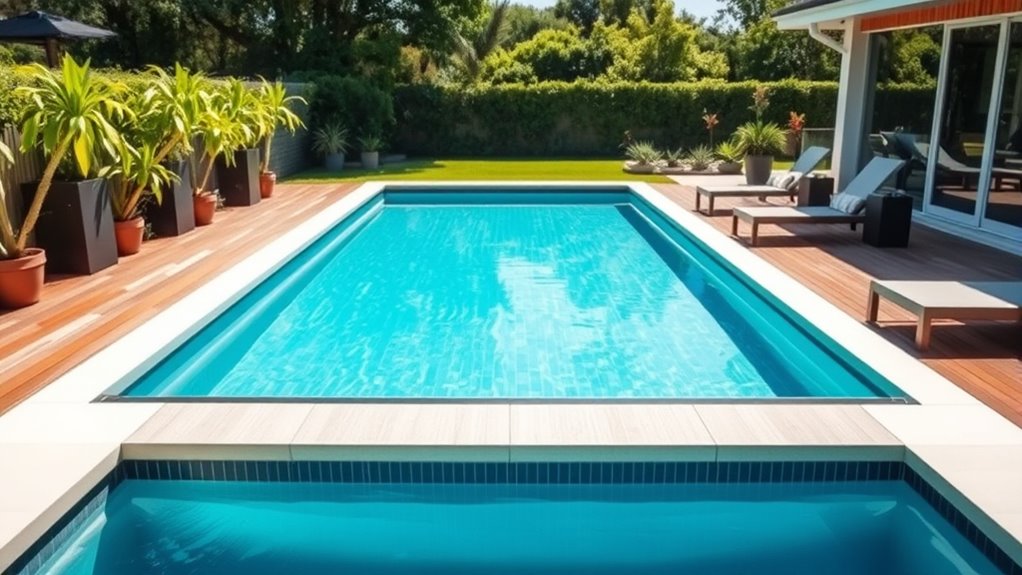
Thinking about adding a lap pool to your backyard? You’re not alone. A DIY lap pool can be an exciting project that transforms your outdoor space into a private fitness haven. Before you plunge in, it’s essential to consider the practical aspects, particularly pool maintenance and safety considerations. These elements will ensure your new pool remains a safe, clean, and enjoyable feature for years to come.
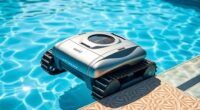
When planning your DIY lap pool, start by evaluating your ability to handle pool maintenance. Regular cleaning, water testing, and chemical balancing are indispensable to keep the water safe and clear. If you’re comfortable with these tasks, you’ll find maintaining your pool more straightforward. Otherwise, you might want to contemplate hiring professional services or using automated systems to assist with routine upkeep. Remember, neglecting pool maintenance can lead to algae buildup, bacteria growth, and equipment failure, which not only reduces the pool’s usability but also poses health risks. A well-maintained pool, on the other hand, offers a safe environment for swimming and exercise.
Safety considerations are equally essential when building your own lap pool. First, verify your pool’s design complies with local building codes and safety standards. Proper fencing with a lockable gate around the pool area is necessary to prevent accidental falls, especially if children or pets are nearby. Installing non-slip surfaces around the pool deck minimizes the risk of slips and falls. Additionally, consider installing a pool alarm system that alerts you if someone enters the water unexpectedly. Adequate lighting both inside and around the pool enhances visibility during dusk or nighttime swims, reducing the chances of accidents. If your DIY project involves electrical components, hire a licensed electrician to handle wiring and verify everything meets safety regulations. It’s also wise to include a safety cover or pool net for extra protection when the pool isn’t in use. Incorporating environmental impacts into your planning can help you choose sustainable materials and practices that reduce the ecological footprint of your project.
Building a DIY lap pool requires careful planning, especially regarding maintenance and safety. You’ll want to set aside time for ongoing upkeep and to invest in safety features that protect everyone using the pool. While the project can be rewarding, don’t underestimate the importance of these considerations. Properly maintained and safely designed, your lap pool will offer a perfect space for exercise and relaxation. With attention to detail, you’ll enjoy the benefits of a custom backyard feature that enhances your outdoor living experience for years to come.
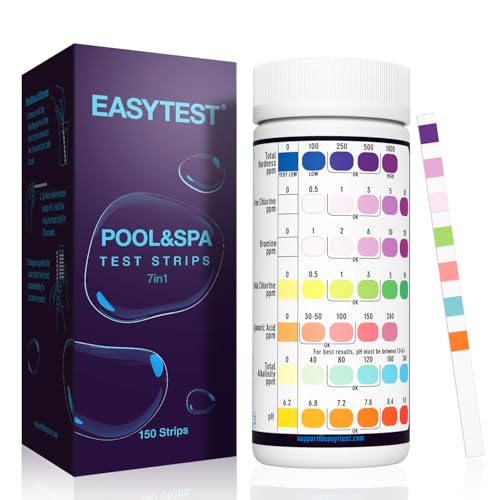
EASYTEST 7-Way Pool Test Strips, 150 Strips Water Test for Hot tub and Spa
- 150 Test Strips Included: Enough for multiple water tests
- Fast and Accurate Results: Soak for 1 second, read in 15 seconds
- 7-in-1 Water Testing: Tests Bromine, pH, Chlorine, Alkalinity, Hardness, Cyanuric Acid
As an affiliate, we earn on qualifying purchases.
Frequently Asked Questions
What Is the Average Cost to Build a DIY Lap Pool?
The cost estimation for building a DIY lap pool varies based on material selection and pool size. You might spend between $5,000 to $15,000, depending on whether you choose basic materials or premium options. Keep in mind, your expenses will include excavation, lining, and equipment costs. Planning carefully and sourcing affordable yet durable materials assures you stay within budget and ensures a successful project.
How Much Space Is Required for a Home Lap Pool?
Think of your space like a garden; the right area helps everything flourish. For a home lap pool, plan for at least 40 to 50 square feet for a small, manageable size, but bigger is better for comfortable swimming. You’ll need space for pool maintenance and water filtration systems, so include extra room for equipment. Proper planning guarantees your pool stays clean and functional without cramping your yard.
Are DIY Lap Pools Suitable for All Climates?
When considering DIY lap pools, climate adaptability is key. You need to evaluate your local weather, especially cold winters or high heat, which affect insulation needs. In milder climates, a DIY lap pool can work well year-round. However, in extreme temperatures, you’ll require proper insulation and heating solutions. So, assess your climate carefully to determine if a DIY lap pool is practical and cost-effective for your environment.
What Safety Features Should I Include in My DIY Pool?
Think of your pool as a treasure chest—you want it safe from unwanted visitors. You should include a sturdy pool cover to prevent accidental falls and a safety fence around it to keep kids and pets safe. I once saw a neighbor install both, and it gave peace of mind. These features are essential to diminish risks and ensure your DIY pool remains a fun, safe oasis.
How Long Does It Typically Take to Complete a DIY Lap Pool?
Building a DIY lap pool usually takes several weeks to a few months, depending on your construction timeline and experience. You’ll need to plan around project delays, like weather or material shortages, which can extend the timeline. If you stay organized and work steadily, you might complete it faster. Keep in mind, patience is key, and setting realistic expectations helps you stay on track despite potential setbacks.
Conclusion
Building a DIY lap pool offers a rewarding challenge, blending your hands-on effort with the luxury of a personal oasis. While the process demands careful planning and patience, the end result provides a serene escape right in your backyard. It’s a paradox—transforming a complex project into a simple pleasure, where your hard work creates a tranquil retreat that’s both functional and indulgent. In the end, your DIY lap pool becomes more than just water; it’s a reflection of your dedication and creativity.
Fall Picks
fall essentials
As an affiliate, we earn on qualifying purchases.