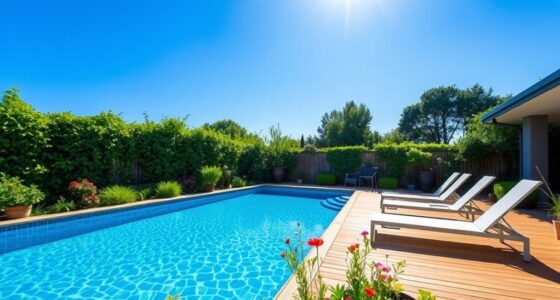
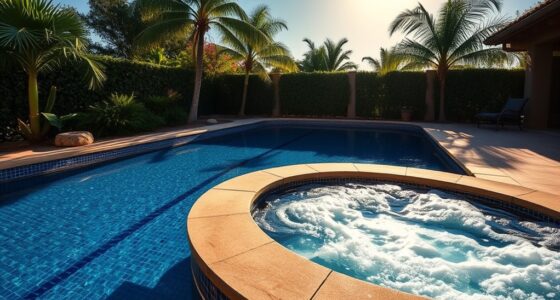
To save on costs and power with your lap pool, consider installing solar heating to harness the sun’s energy and reduce heating bills. Improve insulation using foam boards or spray foam around the walls and floor to maintain warmth efficiently. Using a high-quality pool cover, especially during off-hours, minimizes heat loss and evaporation. Adding windbreaks and thoughtful landscaping can further protect your pool from cold drafts. Keep these tips in mind to maximize efficiency and cut expenses—learn more to optimize your setup.
Key Takeaways
- Incorporate solar pool heating systems to harness renewable energy and reduce reliance on electric or gas heaters.
- Use high-quality insulation materials like foam boards or spray foam to minimize heat loss and maintain water temperature.
- Install insulated, high-quality covers to prevent evaporation and heat escape when the pool is not in use.
- Design the lap pool with a sleek, space-efficient shape to optimize heating and reduce energy requirements.
- Combine insulation and solar heating for a highly energy-efficient system that extends swimming seasons and lowers operational costs.

If you’re looking to enjoy the benefits of swimming without high costs and energy bills, lap pools are an excellent solution. These sleek, narrow pools are perfect for both exercise and relaxation, but their energy efficiency depends heavily on how you heat and insulate them. To minimize ongoing expenses, you should consider solar heating options. Solar pool heaters harness the sun’s energy to warm your water naturally, drastically reducing reliance on electric or gas heating systems. By installing solar panels specifically designed for pool heating, you can extend your swimming season and keep your water comfortably warm without hefty energy bills. The initial investment may seem significant, but the long-term savings on energy costs make solar heating a smart choice for environmentally conscious pool owners.
In addition to solar heating, implementing effective insulation techniques can greatly improve your pool’s energy efficiency. Proper insulation minimizes heat loss, helping your pool retain warmth even during colder months or overnight. You can insulate the pool walls and floor using specialized foam boards or spray foam insulation, which creates a barrier against heat transfer. Covering your pool with a high-quality, insulated pool cover when not in use is equally vital. Not only does it prevent heat from escaping, but it also reduces evaporation—a major source of water and heat loss. When you combine insulation techniques with solar heating, you create a highly efficient system that maintains the desired water temperature with minimal energy input. Incorporating insulation materials that are suitable for outdoor use can further enhance energy retention and durability.
Another way to boost efficiency is by ensuring your pool’s design minimizes heat loss. For example, choosing a pool with a cover ledge allows you to keep the cover on when the pool isn’t in use, especially during cooler nights. Also, installing windbreaks or surrounding landscaping can shield the pool from drafts that might otherwise cool the water. These small but impactful modifications work together to keep your pool warmer longer, reducing the workload on your heating system and lowering energy costs.

INTEX 2,650 GPH Krystal Clear Sand Filter Pump and Saltwater Pool Chlorine System for Above Ground Pools, Pool Cleaner System with Automatic Timer
✔ FRESH AND CLEAN WATER – QX2600 uses sand for excellent filtration combined with the QS1200 saltwater system...
As an affiliate, we earn on qualifying purchases.
Frequently Asked Questions
How Long Does It Take to Recoup Investment in Energy-Efficient Lap Pools?
The time it takes to recoup your investment depends on your specific setup and usage. Conducting a cost analysis helps determine the payback period, which typically ranges from a few years to a decade. Factors like energy savings, initial costs, and maintenance influence this timeline. By choosing energy-efficient features, you’ll likely see savings sooner, making your investment worthwhile over time.
Are Solar-Powered Systems Effective for Maintaining Lap Pools?
They say, “A penny saved is a penny earned.” Solar-powered systems are quite effective for maintaining lap pools, especially with the right solar panels. They harness sunlight to generate energy, leading to significant energy savings and reducing reliance on traditional power sources. While initial costs can be higher, the long-term benefits—lower utility bills and eco-friendliness—make solar panels a smart, sustainable choice for pool maintenance.
What Maintenance Is Required for Energy-Efficient Pool Equipment?
You need to regularly check your pool chemical balance to keep your energy-efficient pool equipment running smoothly. Clean filters and inspect pumps for debris to prevent strain and extend their lifespan. Monitor and replace components as needed, following manufacturer guidelines. Proper maintenance ensures your equipment stays effective, reduces energy use, and prolongs its lifespan, saving you money over time. Regular upkeep is essential for peak performance and longevity.
Can Existing Pools Be Upgraded to Energy-Efficient Systems Easily?
Upgrading your existing pool to energy-efficient systems is usually straightforward. You can add better pool insulation to reduce heat loss and improve water circulation with modern pumps, making your pool more efficient. These upgrades often involve replacing or enhancing current equipment, which can be done with minimal disruption. Consult a professional to guarantee compatibility with your pool’s design, and enjoy lower energy costs and improved performance.
What Are the Best Energy-Saving Features to Look for in a Lap Pool?
Imagine transforming your lap pool into a more energy-efficient space. Look for features like superior pool insulation, which keeps water warm without extra energy, and LED lighting, offering bright illumination with lower power use. For example, a homeowner upgraded their pool with these features, reducing energy costs by 30%. These improvements make your pool eco-friendly, cost-effective, and enjoyable year-round.
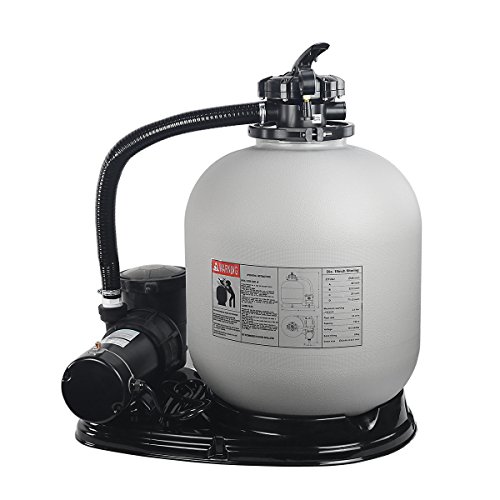
XtremepowerUS 19" Sand Filter 1.5HP Pump 4500 GPH Swimming Pumps System & Filters Combo Set Multi-Port Valve, for Domestic and Commercial Pools up to 18,000 Gallons Pool
Powerful, All-in-One Performance - With an impressive flow rate of 4,500GPH, 1.5HP sand filter pump is ideal for...
As an affiliate, we earn on qualifying purchases.
Conclusion
Now, isn’t it funny how choosing an energy-efficient lap pool not only saves you money but also makes your backyard more relaxing? As you enjoy a invigorating swim, you’ll notice the coincidence—less power, more peace of mind. It’s almost like the universe aligned your budget with your wellness goals. So go ahead, take the plunge into smarter, greener swimming, and revel in the surprising way small choices can bring big benefits.

Pool Lights for Inground Pool, 60W 10 Inch LED Inground Pool Light with Controller, Remote and APP Control for Wet Niche, Color Changing Underwater Swimming Pool Lights with 50 Foot Cord
【3 Ways to Control: APP + Controller + Remote】Traditional led pool lights often suffer from signal loss due...
As an affiliate, we earn on qualifying purchases.

XtremepowerUS 24" Sand Filter Inground Ground Above Ground System Swimming Pool 29,400 Gallons
The Filter are perfectly engineered to provide optimum flow rates that promotes clean water quality
As an affiliate, we earn on qualifying purchases.