
Building a lap pool can range from $30,000 for a small model to over $100,000 for bigger installations. Your budget should include labor costs, which can be up to 50% of total expenses, along with excavation and permitting fees. You’ll also want to factor in ongoing maintenance, like regular water testing and repairs. Understanding these costs is essential for a successful project, and there’s much more to contemplate as you plan your dream swimming lane.

Get pool and patio gear delivered free — and shop member deals
- Fast, free delivery on millions of items
- Access to Prime Big Deal Days deals on October 6–7
- Prime Video, Amazon Music and more included
Key Takeaways
- Average installed lap pool costs range from $40,000 to $80,000, with most homeowners spending around $60,000.
- Smaller lap pools (30 feet) cost about $30,000, while larger options can exceed $100,000.
- Labor expenses typically represent 25% to 50% of total installation costs, averaging $5.50 per square foot.
- Ongoing maintenance costs include monthly water testing (between $80 and $150) and repairs, which should be factored into your budget.
- Alternatives like Endless Pools and swim spas offer more affordable options, ranging from $20,000 to $40,000.
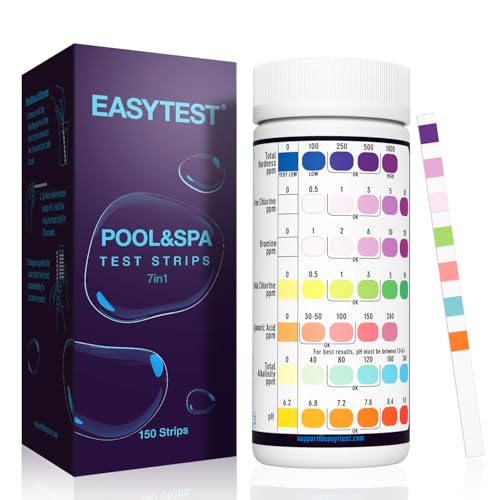
EASYTEST 7-Way Pool Test Strips, 150 Strips Water Test for Hot tub and Spa
- 150 Test Strips Included: Enough for multiple water tests
- Fast and Accurate Results: Soak for 1 second, read in 15 seconds
- 7-in-1 Water Testing: Tests Bromine, pH, Chlorine, Alkalinity, Hardness, Cyanuric Acid
As an affiliate, we earn on qualifying purchases.
Average Lap Pool Cost
When considering a lap pool, you’ll find that the average installed cost ranges from $40,000 to $80,000, with most homeowners spending about $60,000 on labor and materials.
If you opt for an inground lap pool, expect costs to vary based on size and complexity, potentially reaching over $100,000 for larger projects. Labor costs typically represent 25% to 50% of your total expenses, making it a significant factor in your budget.
On the other hand, if you’re looking for a more budget-friendly option, an above-ground lap pool can be installed for just $4,000 to $6,000.
Lap Pool Cost by Size
Lap pool costs can vary considerably based on size, with prices reflecting both the dimensions and the materials used.
If you’re looking to install an in-ground pool, a smaller 30-foot lap pool might set you back around $30,000, while a standard 45-foot pool typically ranges from $40,000 to $65,000.
Depending on the size, larger pools can get expensive; for example, a half-Olympic lap pool (82 feet) can cost between $100,000 and $400,000.
The materials vary too; a concrete lap pool usually costs between $60,000 and $70,000, while a vinyl lap pool averages around $40,000 to $50,000.
Concrete lap pools typically range from $60,000 to $70,000, while vinyl options average between $40,000 and $50,000.
Ultimately, consider what lap pools are worth to you based on your budget and needs.
Lap Pool Cost by Type
When considering lap pools, you’ll find various options that fit different budgets and preferences.
In-ground pools, like fiberglass and concrete, offer durability but come with higher price tags, while above-ground varieties provide a more affordable alternative.
Each type has its pros and cons, so it’s essential to weigh your options carefully.
In-Ground Pool Options
Choosing the right type of in-ground lap pool can greatly impact your budget and enjoyment. Here’s a quick overview of your options:
| Pool Type | Average Cost | Key Features |
|---|---|---|
| Fiberglass Lap Pool | $50,000 | Durable, aesthetically pleasing |
| Concrete Lap Pools | $63,000 | Long-lasting, highly customizable |
| Vinyl Lap Pools | $38,000 | Budget-friendly, requires liner replacement every 5 years |
| Stainless Steel Pools | $75,000-$85,000 | Sleek design, high durability |
Above-Ground Pool Choices
Above-ground lap pools offer a budget-friendly solution for those looking to enjoy swimming without the extensive costs of in-ground options.
With installation costs ranging from $2,800 to $7,000, these pools provide an accessible choice for homeowners. Plus, they measure about 36 to 42 feet, ensuring a focused swimming experience even in smaller spaces.
Consider these benefits:
- Quick Installation: Most above-ground pools can be set up in about a week.
- Lower Upfront Costs: Basic models start at just $4,000.
- Flexible Maintenance: While monthly maintenance costs average $80 to $150, you can adjust upkeep based on your needs.
Above-ground lap pools combine affordability and convenience, perfect for your backyard oasis.
Labor and Additional Costs
When planning your lap pool installation, it’s essential to reflect on labor costs, which can take up a significant portion of your budget.
Additional expenses like permits and site preparation can add up quickly, so you’ll want to factor those in as well.
Don’t forget about ongoing maintenance costs, as they play a big role in your long-term financial planning.
Labor Expense Breakdown
Labor expenses play a vital role in determining the overall cost of installing a lap pool, as they typically account for 25% to 50% of the total budget.
Understanding these labor costs is important to avoid surprises later on. Here are three key components to take into account:
- Installation labor costs: Expect to pay around $5.50 per square foot, totaling approximately $3,800 for a standard unit.
- Excavation expenses: Depending on site conditions, this can range from $1,000 to $5,000.
- Permits: Additional costs might reach $500 to $2,000 based on local regulations.
Professional installation is essential for in-ground pools, ensuring safety and adherence to standards, which directly influences your labor expenses.
Additional Installation Considerations
While planning your lap pool installation, it’s essential to take into account various additional costs that can influence your overall budget.
Labor costs typically account for 25% to 50% of the total installation cost, so they markedly impact your budget considerations.
You might also need to secure permits, which can range from $500 to $2,000 depending on your location.
Geotechnical reports, necessary for evaluating soil conditions, can add $1,000 to $5,000 to your expenses.
Don’t forget about excavation costs, which can range from $1,000 to $5,000 as well.
All these factors can quickly add up, so it’s vital to factor them into your overall installation cost before proceeding with your lap pool project.
Ongoing Maintenance Costs
Maintaining a lap pool involves ongoing costs that can add up over time, so it’s vital to budget accordingly.
Here are three key aspects to keep in mind:
- Labor Costs: Expect to allocate 25% to 50% of your total maintenance budget to labor, as keeping your pool in top shape requires professional help.
- Water Chemistry: Regular testing and balancing of water chemistry are important to prevent issues, costing between $80 to $150 monthly based on pool size.
- Filtration System Repairs: Don’t forget potential additional costs for repairs to filtration systems, especially during seasonal pool opening and closing.
Installation Process and Financial Considerations
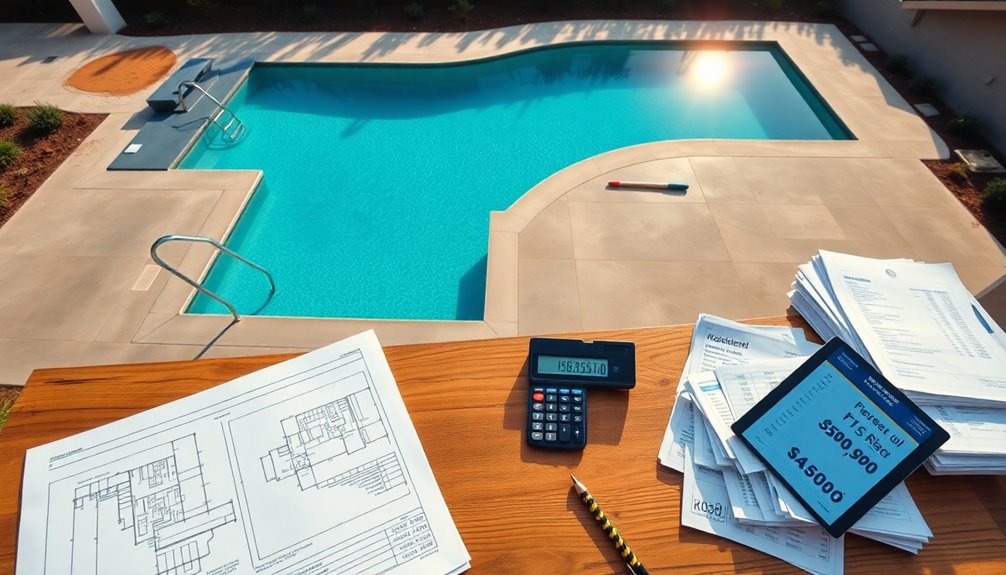
When you decide to install a lap pool, understanding the installation process and associated financial considerations is essential for a successful project.
Typically, you’ll need a professional team due to the specialized skills required. Expect to pay an upfront deposit before work begins. Labor costs can range from 25% to 50% of the total installation cost, potentially reaching around $40,000 for an in-ground pool.
Don’t forget to budget for permits, which can run from $500 to $2,000, and excavation costs between $1,000 and $5,000.
Installation time varies; above-ground models take about one week, while in-ground pools may take up to 12 weeks.
Also, consider maintenance plans to keep your pool in top shape.
Materials and Their Impact on Cost
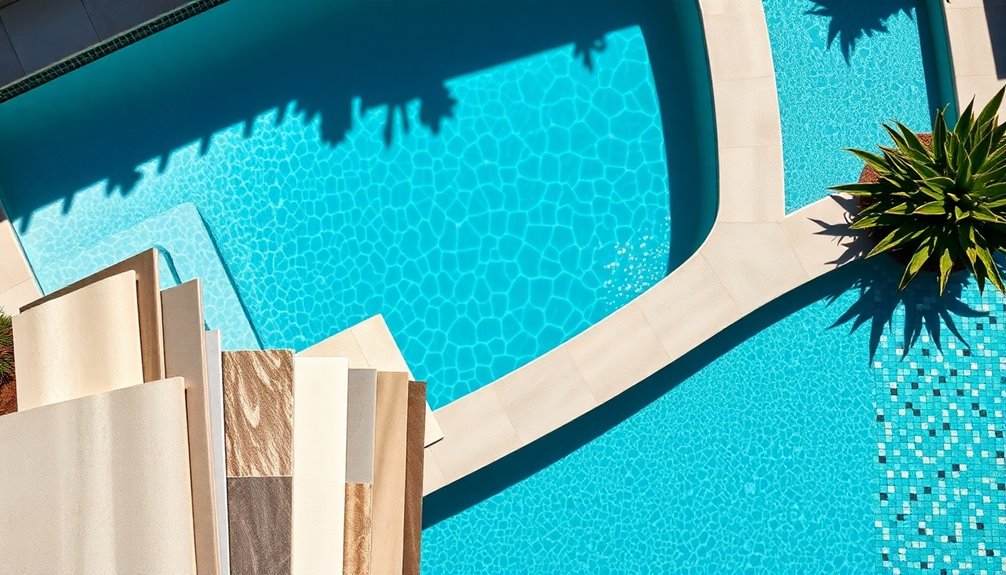
Choosing the right materials for your lap pool can greatly affect both your upfront costs and long-term expenses.
The material you select impacts not just installation but future maintenance too. Here’s a breakdown of your options:
- Vinyl: Average cost of $21 per square foot, but you’ll need to replace it every five years.
- Fiberglass: Costs between $35 and $65 per square foot, offering durability for pools up to 40 feet.
- Concrete: Ranges from $55 to $72 per square foot, with potential extra costs for tiles or liners.
Each of these materials has its own cost implications, so think carefully about your budget and desired longevity.
Your choice will shape your pool experience for years to come.
Topography and Site Considerations

When planning your lap pool, consider how your yard’s layout and dimensions can affect installation costs.
If you face excavation challenges due to sloped terrain or drainage issues, you might end up spending considerably more.
Evaluating these site considerations early on can help you avoid unexpected expenses down the line.
Site Layout and Dimensions
How do topography and site layout affect your lap pool installation? Understanding these factors is essential to avoid unexpected costs and guarantee your pool serves its purpose effectively.
- Minimum Space: You’ll need at least 10×50 feet for an 8×40-foot lap pool, allowing ample room for swimming and maintenance.
- Topography Impact: If your yard is sloped, excavation may be necessary, increasing installation costs due to retaining walls.
- Fencing Requirements: Complying with safety regulations can add thousands to your budget, depending on site layout.
Don’t forget to conduct a geotechnical report before starting, as soil quality affects excavation and stability, potentially costing $1,000 to $5,000.
Careful planning now will save you headaches later!
Excavation Challenges and Costs
Evaluating excavation challenges is essential after confirming your site layout and dimensions. Your excavation costs can range from $1,000 to $5,000 based on site conditions and project complexity. If your yard has a slope, you might need a retaining wall, which further increases installation costs. Challenging topography greatly impacts the overall budget, making proper planning critical. Additionally, factor in permitting costs, which can vary from $500 to $2,000 depending on your location. Ensuring effective drainage during excavation is important to avoid costly delays and water buildup.
| Aspect | Cost Range | Considerations |
|---|---|---|
| Excavation Costs | $1,000 – $5,000 | Site conditions |
| Retaining Wall Costs | Varies | Necessary for slopes |
| Permitting Costs | $500 – $2,000 | Location-dependent |
| Installation Costs | Varies | Influenced by topography |
Drainage and Water Flow
To guarantee a successful lap pool installation, it’s critical to address drainage and water flow early in the planning process. Proper drainage prevents water accumulation, guaranteeing an enjoyable swimming experience and lowering maintenance costs.
Remember these key points:
- Site topography can complicate installation; sloped yards may need additional excavation.
- Major excavation costs can range from $1,000 to $5,000 based on drainage needs.
- Installing gutters or infinity edges enhances water flow but increases overall installation costs.
Local regulations may also dictate specific drainage solutions, adding to your costs to install.
Alternatives to Traditional Lap Pools
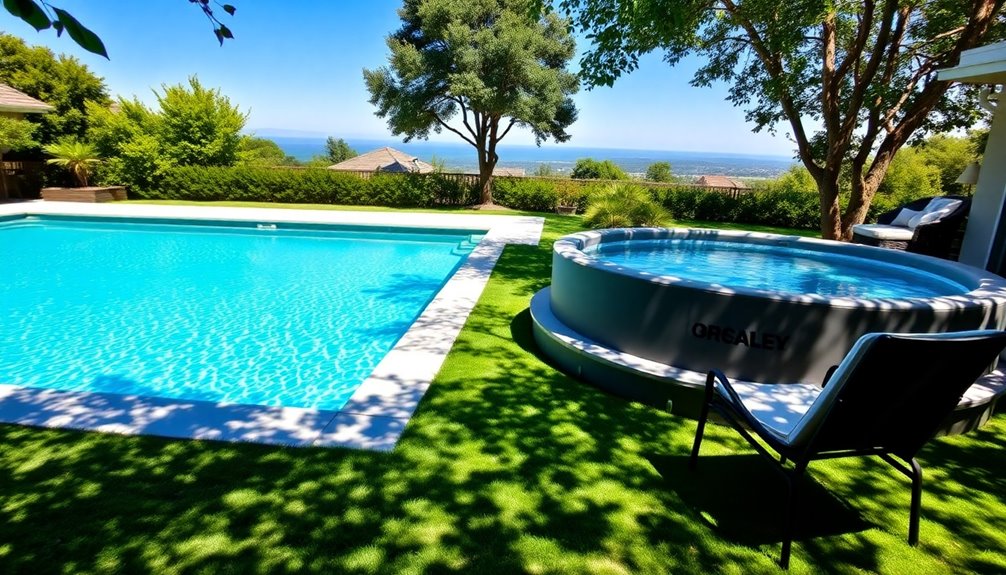
If you’re looking for a way to swim laps without the commitment of a traditional pool, several alternatives can fit your needs and budget.
Endless Pools, costing between $20,000 and $30,000, simulate lap swimming in a compact space. If you already have a pool, consider swimming machines, which create a treadmill-like experience for about $30,000.
Above-ground lap pools range from $16,000 to $55,000, making them an affordable option for many homeowners. Swim spas, priced between $20,000 and $40,000, combine exercise and relaxation effectively.
Finally, portable lap pools can be set up for as little as $2,500, making them a cost-effective choice for those with limited space or budget constraints.
Ongoing Maintenance Costs

Maintaining a lap pool can be a manageable yet essential aspect of pool ownership.
You’ll want to budget for ongoing maintenance costs, typically between $80 and $150 per month, depending on your pool type and usage.
Key maintenance tasks include:
- Monitoring chemical balance – Keeping the water safe and inviting.
- Regular cleaning – Prevent clogs in skimmers to maintain flow.
- Repairs – Fix issues with vacuum and chlorination systems promptly.
Getting Estimates From Lap Pool Installers
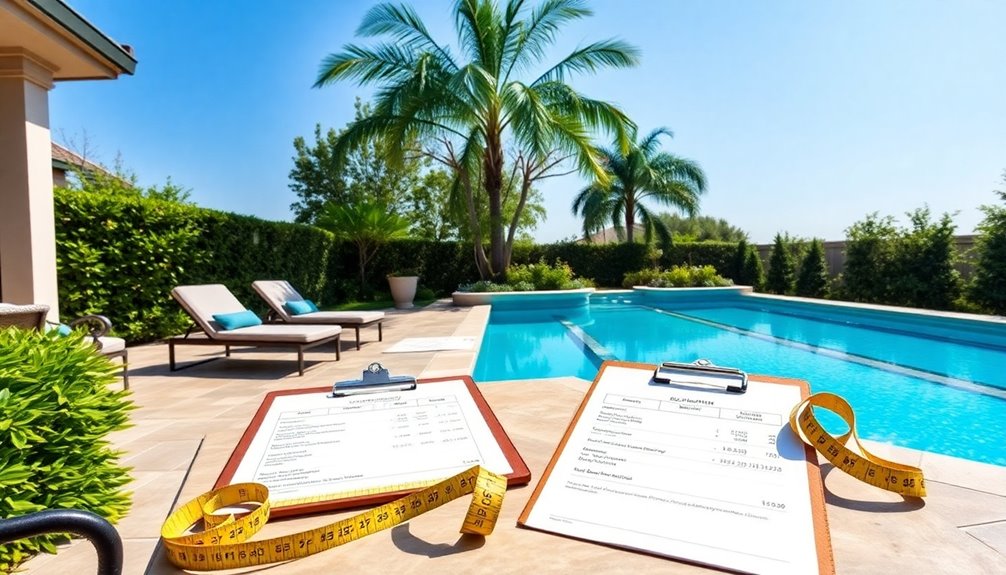
Finding the right lap pool installer can feel overwhelming, but getting multiple estimates helps simplify the process. Aim to gather at least three quotes to compare the cost to install, including a breakdown of typical costs like labor, materials, excavation, and permits, which can average between $500 and $2,000.
Make certain the estimates account for the space needed and include a geotechnical report, vital for site preparation, potentially costing $1,000 to $5,000. Remember that labor costs often constitute 25% to 50% of the total project cost, so clarify those rates.
Finally, inquire about maintenance plans, as ongoing monthly expenses can range from $80 to $150, important for your long-term budgeting.
Frequently Asked Questions
How Much Does a Single Lane Lap Pool Cost?
If you’re considering a single lane lap pool, you can expect to spend anywhere from $25,600 to $80,000 for installation.
The final cost depends on factors like materials and local labor rates. Vinyl options average around $38,000, while fiberglass ranges from $50,000 to $60,000, and concrete typically costs between $60,000 and $70,000.
Don’t forget to account for additional expenses like excavation, permits, and ongoing maintenance when budgeting.
What Is the Most Expensive Part of Owning a Pool?
Imagine you’ve decided to install a stunning concrete pool in your backyard, but the installation costs can be shocking.
The most expensive part of owning a pool is typically the installation itself, which can range from $40,000 to $100,000 or more. Labor, excavation, and materials all contribute greatly to these costs.
It’s essential to budget wisely, as these initial expenses set the stage for your entire pool ownership experience.
What Is the Disadvantage of a Lap Pool?
A lap pool’s main disadvantage is its lack of versatility.
Designed specifically for swimming laps, it doesn’t offer much space for recreational activities or social gatherings like traditional pools do.
You’ll also face higher installation and maintenance costs, which can strain your budget.
Plus, the installation process can take a long time, leaving you waiting for months before you can enjoy your new swimming lane.
How Do Most People Afford a Pool?
Most people afford a pool by exploring various financing options. You might consider personal loans or home equity lines of credit, which can make payments more manageable.
Many homeowners also budget for ongoing costs, like maintenance fees. By obtaining multiple estimates from contractors, you can find competitive pricing.
Don’t forget to look for seasonal discounts or promotions that can help reduce your initial installation costs. It’s all about planning and making informed decisions!
Conclusion
As you immerse yourself in the world of lap pool ownership, envision the soothing rhythm of your strokes against the shimmering water. With careful budgeting and a clear understanding of costs, you can transform your backyard into a personal oasis. Remember to weigh installation and maintenance alongside your dreams of endless laps. By planning thoughtfully, you’ll create not just a pool, but a sanctuary for fitness and relaxation, where every splash echoes the joy of your investment.
Fall Picks
fall essentials
As an affiliate, we earn on qualifying purchases.