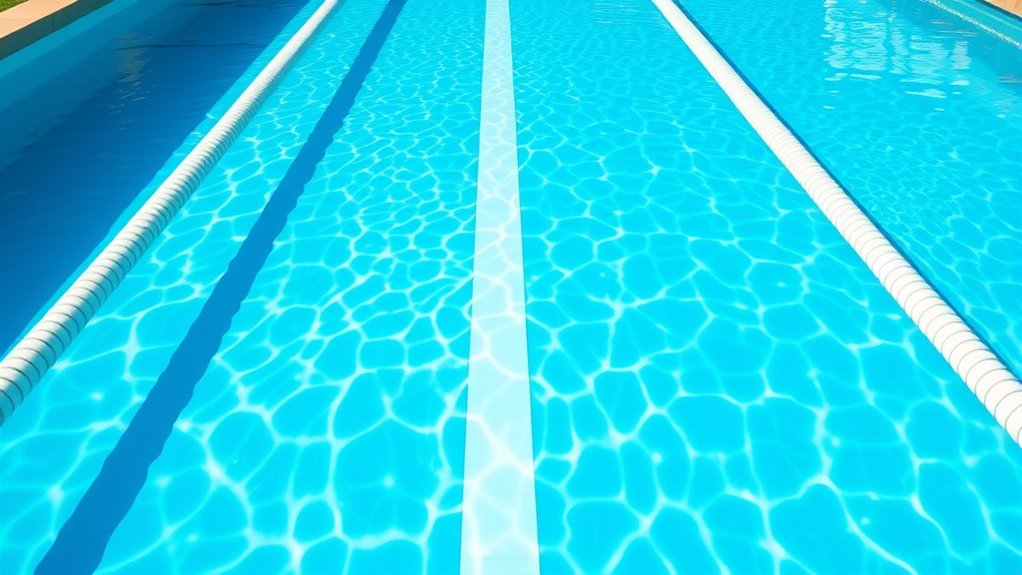

For your home pool, adhere to standards that prioritize safety and visibility. Use durable, contrasting lane markings aligned with your pool’s length to guide swimmers and prevent collisions. Place T-shapes at each end for orientation, ensuring they’re securely anchored. Keep the markings clean and clearly visible from all angles. Incorporate proper lighting and drainage to enhance functionality and safety. To create a professional, inviting environment, understanding these standards can make a real difference—more tips await as you explore further.
Key Takeaways
- Follow local safety and building codes for pool lane markings and T-shapes.
- Use high-contrast, durable materials for clear visibility and longevity.
- Ensure T-shapes are positioned at each end of the pool for orientation.
- Maintain consistent spacing and alignment of lane lines for smooth swimming flow.
- Incorporate proper lighting to enhance visibility of markings and pool features.
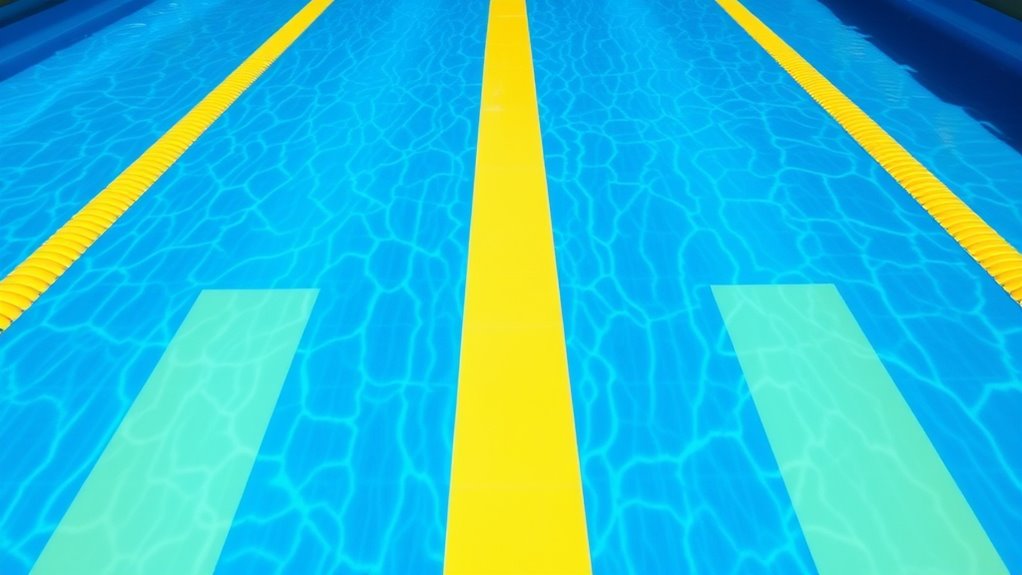
If you want your home pool to function like a professional swim setup, adding lane markings and T-shapes is vital. These features help organize your space, improve visibility, and create a more authentic swimming experience. One key aspect often overlooked is drain placement, which is essential for proper water circulation and safety. Typically, drains should be positioned at the bottom of the pool, evenly spaced along its length, to ensure efficient water flow and minimize debris accumulation. Proper drain placement prevents standing water and reduces the risk of slipping, especially when combined with suitable lighting options that enhance visibility during nighttime or low-light conditions. When selecting lighting, consider waterproof LED fixtures placed strategically around the pool’s perimeter and within the pool itself. These lights improve safety by illuminating lane lines, T-shapes, and the pool floor, making it easier to see obstacles and maintain proper swimming form. They also add aesthetic appeal, transforming your pool into a stunning feature after dark. Additionally, choosing the right lighting technology can significantly impact energy efficiency and brightness levels. For lane markings, choose durable, non-slip materials that adhere securely to the pool surface, ensuring they stay in place despite constant water exposure. These markings should be clearly visible from a distance, with contrasting colors that stand out against your pool’s interior. The T-shapes, typically positioned at each end of the pool, serve as visual cues for swimmers to turn around or rest, mimicking the setup seen in professional competition pools. When installing T-shapes, ensure they are firmly anchored and aligned with the lane markings for consistency. Proper placement helps swimmers stay oriented and maintains the pool’s professional appearance. Lighting options are versatile and can include underwater LEDs, floating lights, or fixed fixtures mounted along the pool’s edge. Underwater LEDs are particularly effective for highlighting lane boundaries and T-shapes, providing even illumination and reducing shadows. Floating lights can be moved around to target specific areas or create ambiance, while fixed fixtures offer a permanent solution for general illumination. Whichever you choose, ensure your lighting setup complies with safety standards and is easy to operate. Combining well-placed drains, effective lighting, and precise lane markings creates a professional environment that’s both functional and visually appealing. This setup not only enhances your swimming experience but also guarantees safety and convenience for everyone using your home pool.
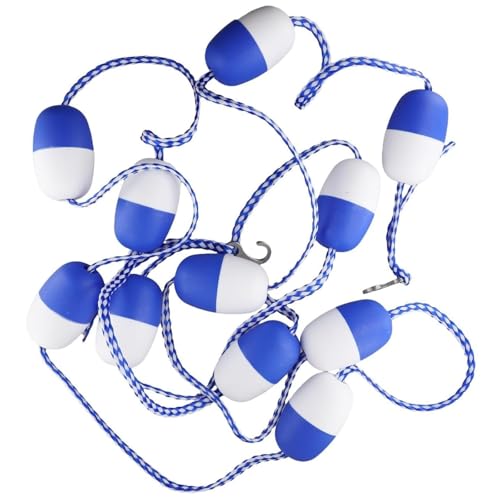
Pool Safety Rope Float Kit, Lane Dividers for Backyard Pools, Portable Floating Barrier, Reusable Safety Line for Racing and Area Marking, Easy to Install
- Durable Construction: Resilient nylon rope with buoyant polyethylene floats
- High-Visibility Design: Vivid blue-and-white colors for easy identification
- Versatile Use: Suitable for pools, waterways, and hazard zones
As an affiliate, we earn on qualifying purchases.
As an affiliate, we earn on qualifying purchases.
Frequently Asked Questions
Are There Different Lane Marking Standards for Indoor and Outdoor Pools?
Yes, there are different lane marking standards for indoor and outdoor pools. For indoor pools, you should consider indoor lighting to guarantee visibility of lane markings and T-shapes, which are often more visible under controlled lighting conditions. Outdoor pools require markings that withstand outdoor landscaping factors like weather and sunlight, so they tend to be more durable and highly reflective. Always check local codes to ensure your markings meet specific standards for your pool environment.
How Long Do Lane Markings Typically Last Before Needing Replacement?
You’re asking how long lane markings last before needing replacement, and the answer is they typically hold up for 3-5 years. Keep in mind, marking longevity depends on exposure to sunlight, chemicals, and usage. Regular maintenance schedules help prolong their life—cleaning and inspecting them periodically. When signs of fading or peeling appear, it’s time to replace them. Staying on top of maintenance keeps your pool looking sharp and safe for swimmers.
Can Custom T-Shape Designs Be Incorporated Into Existing Pool Layouts?
Yes, you can incorporate custom T-shape designs into your existing pool layout. You’ll need to work with a professional pool builder to explore custom design options and guarantee proper integration. Modifying your current setup might involve some existing layout modifications, but with careful planning, you can achieve a personalized T-shape that suits your swimming needs and aesthetic preferences. Just be sure to discuss your vision thoroughly with experts.
Are There Specific Regulations for Lane Markings in Residential Pools?
Did you know that over 60% of pool accidents involve unclear lane markings? Yes, there are specific regulations for lane markings in residential pools to enhance pool safety, such as clear delineation for swimming lanes. Besides safety, these markings also impact the pool’s aesthetic appeal. You should follow local codes and industry standards to make sure your lane markings meet safety requirements and look great, contributing to an inviting, functional pool space.
What Materials Are Best for Durable, Weather-Resistant Lane Markings?
You should choose epoxy coatings or vinyl tapes for durable, weather-resistant lane markings. Epoxy coatings offer a strong, long-lasting finish that withstands pool chemicals and weather conditions, while vinyl tapes are easy to apply, flexible, and resist peeling over time. Both materials guarantee your lane markings stay clear and intact, making swimming safer and pool maintenance simpler. Opt for high-quality products to maximize longevity and performance.
Conclusion
Proper lane markings and T-shapes make your home pool safer and more functional. Did you know that pools with clear lane markings reduce swimmer collisions by up to 30%? By following standards, you guarantee smooth swimming sessions and prevent accidents. Investing in quality markings isn’t just about aesthetics—it’s about safety and efficiency. So, take the time to upgrade your pool’s markings; it’s a small change that makes a big difference for everyone who swims.