To keep your lap pool crystal clear, you should follow a routine of daily skimming to remove debris, weekly vacuuming, and scrubbing walls and tiles. Regularly test and balance your chemicals, maintaining chlorine between 1-3 ppm and pH between 7.2-7.6. Run your pump and filter system enough to guarantee proper circulation and filtration. Staying consistent with these steps will help you maintain a pristine pool — more tips await to help you succeed.
Key Takeaways
- Skim the surface daily and vacuum weekly to remove debris and prevent algae buildup.
- Test and balance water chemicals regularly, maintaining proper pH, alkalinity, and chlorine levels.
- Run the pump and filter system 8-12 hours daily for optimal circulation and filtration.
- Shock the pool weekly or biweekly to eliminate bacteria and improve water clarity.
- Clean skimmer baskets and filters frequently to ensure continuous effective circulation and filtration.

Maintaining a lap pool requires consistent effort to keep the water clean, clear, and safe for swimming. The key to achieving this is regular pool cleaning combined with proper chemical balancing. When you stay on top of these tasks, you’ll prevent algae growth, bacteria buildup, and cloudy water, ensuring your pool remains inviting and healthy.
Pool cleaning is the foundation of good maintenance. You should start by skimming the surface daily to remove leaves, insects, and debris that can quickly dirty your water. Use a pool net or skimmer to catch floating debris before it sinks to the bottom. Once a week, vacuum the pool floor to eliminate dirt and algae that settle there. Pay attention to the walls and tiles, scrubbing off any algae or calcium deposits that may accumulate. Regular brushing prevents buildup and keeps the pool looking new. Maintaining good circulation is also crucial; run your pool’s pump and filter system for at least 8-12 hours daily to circulate water thoroughly, which helps distribute chemicals evenly and filter out contaminants. Proper circulation also supports proper filtration, which is essential for maintaining water clarity.
Start by skimming daily, vacuum weekly, scrub tiles, and run your pump 8-12 hours for clear, healthy water.
Chemical balancing is equally important in keeping your lap pool safe and clear. You should test your water frequently—at least two to three times a week—using test strips or a liquid test kit. The goal is to maintain balanced levels of chlorine, pH, alkalinity, and stabilizer. Chlorine disinfects the water, killing bacteria and algae, but it’s essential to keep its levels within the recommended range, typically 1-3 ppm. The pH level should stay between 7.2 and 7.6; if it’s too high or low, it can cause skin irritation, damage pool equipment, or disrupt chemical effectiveness. Alkalinity acts as a buffer, stabilizing pH, so keep it between 80-120 ppm. If your tests reveal imbalances, adjust the chemicals accordingly—adding pH increasers or decreasers, alkalinity adjusters, or chlorine as needed. Always follow manufacturer instructions for chemical dosage.
In addition to routine testing and adjustments, shock your pool weekly or biweekly, especially after heavy use or storms. Shocking involves adding a large dose of chlorine to eliminate bacteria and organic contaminants. This process helps maintain water clarity and prevents foul odors. Regularly cleaning your skimmer baskets and filter system also guarantees necessary circulation and filtration. Remember, consistency is key—skipping steps or delaying maintenance can lead to cloudy water, algae blooms, and unsafe swimming conditions.

INTEX 2,650 GPH Krystal Clear Sand Filter Pump and Saltwater Pool Chlorine System for Above Ground Pools, Pool Cleaner System with Automatic Timer
✔ FRESH AND CLEAN WATER – QX2600 uses sand for excellent filtration combined with the QS1200 saltwater system...
As an affiliate, we earn on qualifying purchases.
Frequently Asked Questions
How Often Should I Replace My Pool’s Filtering System?
You should consider replacing your pool filter when it no longer effectively maintains proper pool water chemistry or if its lifespan has expired, typically every 5-7 years. Regularly clean and backwash your filter to extend its life, but don’t ignore signs of wear or reduced flow. A failing pool filter can compromise water clarity, so stay attentive and replace it as needed to keep your lap pool pristine.
What Are Eco-Friendly Options for Pool Chemical Treatment?
When choosing eco-friendly pool chemical treatments, you can opt for natural enzymes and mineral purifiers. Natural enzymes break down organic debris, reducing the need for harsh chemicals, while mineral purifiers naturally inhibit algae growth. You’ll find these options safer for your skin and the environment, and they help keep your pool crystal clear without relying on traditional chemicals. Incorporate these solutions regularly, and you’ll enjoy a healthier, eco-friendly swimming experience.
How Can I Prevent Algae Buildup in My Lap Pool?
To prevent algae buildup, you need to focus on algae prevention and pool sanitation. Regularly brush and vacuum your lap pool, especially corners and steps, to remove algae spores. Maintain proper water circulation and filtration, and keep your pH levels balanced. Using eco-friendly algaecides can also help, but consistent cleaning and sanitation are key. By staying vigilant, you’ll keep your pool clear and algae-free all season long.
What Is the Best Way to Winterize a Lap Pool?
Did you know that properly winterizing your pool can prevent up to 90% of freeze damage? To winterize your lap pool, you should use effective winterizing techniques like lowering water levels, adding winterizing chemicals, and draining equipment. Consider pool cover options such as solid covers or mesh covers to keep debris out and protect your pool during off-season months. These steps guarantee your pool stays in top shape for spring.
Are Robotic Pool Cleaners Effective for Lap Pools?
Robotic pool cleaners are quite effective for lap pools, thanks to their robotic efficiency and advanced cleaning technology. They automatically navigate and scrub the pool floor and walls, saving you time and effort. These cleaners are designed to handle the size and shape of lap pools, ensuring thorough cleaning. With regular use, they help maintain water clarity and reduce manual cleaning, making them a smart investment for keeping your pool pristine.
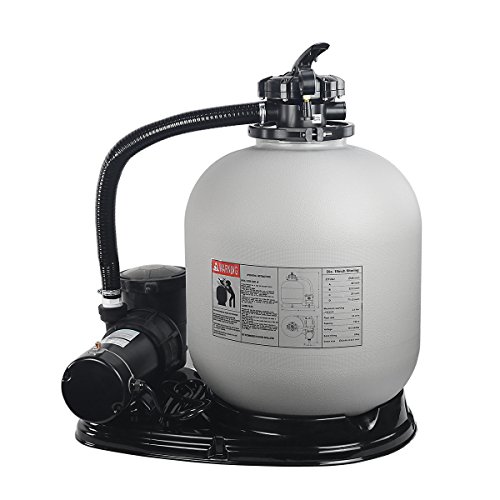
XtremepowerUS 19" Sand Filter 1.5HP Pump 4500 GPH Swimming Pumps System & Filters Combo Set Multi-Port Valve, for Domestic and Commercial Pools up to 18,000 Gallons Pool
Powerful, All-in-One Performance - With an impressive flow rate of 4,500GPH, 1.5HP sand filter pump is ideal for...
As an affiliate, we earn on qualifying purchases.
Conclusion
Keeping your lap pool crystal clear isn’t rocket science, but it does take consistency and care. Regular cleaning, proper chemical balance, and timely filter checks will guarantee your swim remains invigorating. Think of it like tending a garden—you water, weed, and nurture, and in return, you enjoy sparkling waters every time you plunge in. With a little effort, your pool will stay as inviting as a Victorian crystal glass—pristine and perfect for your next swim.

SWIMLINE HYDROTOOLS Complete Sand Filter System, 14" Tank - for Above-Ground & Inground Pools Up to 10,500 Gallons, Single Speed Pump, 0.45 THP, 2,400 GPH, 4-Way Multi-Port Valve, 60 lb Capacity
Optimized Filtration: Swim in crystal-clear pool waters with Swimline HydroTools sand filters, designed for optimized filtration efficiency and...
As an affiliate, we earn on qualifying purchases.

XtremepowerUS 24" Sand Filter Inground Ground Above Ground System Swimming Pool 29,400 Gallons
The Filter are perfectly engineered to provide optimum flow rates that promotes clean water quality
As an affiliate, we earn on qualifying purchases.