TL;DR

Get pool and patio gear delivered free with Prime
- Fast, free delivery on millions of items
- Prime Video, Amazon Music and more included
- Member-only deals all year
Inflatable pool floats come in all shapes and sizes, from simple rings to giant novelty shapes. Safety, durability, and environmental impact matter. Choose wisely, inflate correctly, and supervise always.
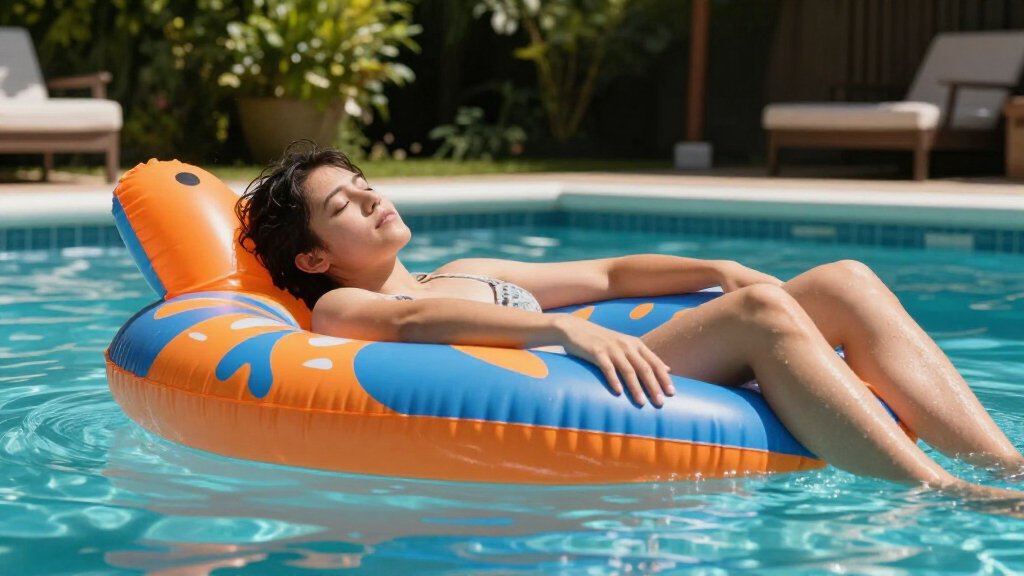
Nothing screams summer like the vibrant splash of a bright inflatable pool float bobbing in the water. They turn a simple pool day into a colorful, relaxing escape. But beneath the fun, there’s more to consider than just how cool that unicorn or giant burger looks.
In this guide, you’ll learn what makes a float safe, durable, and eco-friendly. Plus, the latest trends that make your pool experience stand out. Whether you want to chill solo or host a floating party, knowing these details helps you make smarter choices and stay safe while having a blast.
Always supervise children closely around floats. They are toys, not safety devices.
Opt for durable, repairable materials like TPU or laminated fabrics to extend float lifespan.
Proper cleaning, deflation, and storage prevent damage and prolong float life.
Stay updated on market trends—eco-friendly materials and rechargeable pumps make floats more sustainable and convenient.
Choose floats with safety features like handles, clear labels, and sturdy valves to enjoy worry-free fun.
How to Pick a Safe Pool Float for Kids and Adults
Choosing a safe pool float is about more than funky colors or size. It starts with understanding what safety means in a float. Remember, floats are toys, not lifesaving devices. Never rely on them alone in open water or deep ends.
Keep a close eye on children. Never leave them unattended. Use approved life jackets for weak swimmers. Oversized floats can block your view or tip over, so pick shapes that sit stably and are easy to hold onto.
Always follow weight, age, and occupancy limits printed on the product. Avoid floats with damaged seams or valves. If you’re unsure, test the float in shallow water first—look for wobbling, deflation, or unstable balance.
Remember, even the most fun-looking float can become a hazard if misused. Responsible supervision is your best safety tool.
As an affiliate, we earn on qualifying purchases.
What Materials Make Your Float Last Longer and Feel Better
Most affordable pool floats are made from PVC or vinyl. These materials are popular because they are inexpensive, waterproof, and come in a wide array of colors, making them appealing for casual use. However, their durability is often compromised over time, especially with prolonged exposure to sunlight and pool chemicals. This brittleness can lead to cracks or tears, which diminish safety and aesthetic appeal.
Premium materials like TPU (thermoplastic polyurethane) are engineered to address these issues. They are lighter, more flexible, and resistant to abrasions and UV damage, which means your float maintains its integrity longer and provides a more comfortable experience. Fabric-covered floats, often with a soft top layer, enhance comfort and reduce chafing, making extended lounging more enjoyable.
Choosing eco-friendly options, such as recycled or phthalate-free materials, not only benefits the environment but also often indicates higher safety standards. These materials tend to be more stable over time, reducing the need for frequent replacements and lowering environmental waste. The tradeoff is that such options can be more expensive upfront but offer better longevity and less environmental impact over their lifespan.
For example, a high-end inflatable dock made from laminated or layered fabrics can withstand the rigors of frequent use, UV exposure, and rough handling better than basic vinyl rings. This durability translates into fewer repairs, longer usability, and a better overall investment for regular pool users.
How to Keep Your Pool Float in Top Shape
Maintaining your pool float properly is essential to ensure it remains safe, functional, and visually appealing over time. Regular cleaning after each use prevents the buildup of chlorine, salt, oils, and sunscreens, which can degrade materials and cause discoloration or brittleness. Using a gentle cloth and mild soap helps preserve the integrity of the fabric or plastic surface.
Drying your float thoroughly before storage prevents mold, mildew, and material deterioration. When deflating, do so gently to avoid creases or sharp folds that could weaken the material or cause tears. Rolling or loosely folding the float helps prevent stress on seams and valves.
Proper storage is crucial: keep your float in a cool, dry place away from direct sunlight, which can accelerate material degradation, and out of reach of pests like rodents that may chew on the material. Regularly inspecting seams and valves for signs of wear or leaks allows for early repairs, extending the life of your float. Small punctures can be patched with a repair kit designed for PVC or TPU, but larger tears or valve failures might require replacing the float altogether.
Investing time in these maintenance steps not only saves money by avoiding premature replacements but also reduces environmental waste by prolonging the usability of your float. Think of proper care as an investment in your summer fun and safety.
Latest Trends in Inflatable Pool Floats You’ll Love
The market keeps evolving beyond basic rings and loungers. Now, you can find giant floating islands, inflatable docks, social-media-ready shapes, and even inflatable hammocks. These larger, more elaborate designs add fun and flair to your pool parties. They also encourage social interaction and create memorable visuals, which is why they’re popular among trendsetters and influencers. However, these designs often require more careful handling, more powerful pumps, and sometimes, additional anchors to stay stable.
Manufacturers are also focusing on sustainability. Many now promote PVC-reduced, recycled, or BPA-free materials, responding to growing consumer demand for eco-friendliness. These innovations help reduce the environmental footprint of pool accessories and promote a more sustainable pool culture. Some brands also include repair kits or modular parts, extending product life and reducing waste by allowing repairs rather than replacements.
Rechargeable mini pumps are a game-changer. They simplify the process of inflating large floats, making it quick and effortless—often in under five minutes—so you can spend more time enjoying your float and less time preparing it. Ergonomic designs are also on the rise, emphasizing inclusivity and stability, with higher weight capacities and supportive features for more users at once. These trends reflect a shift toward more functional, eco-conscious, and social-friendly pool accessories, transforming your pool into a luxurious, social oasis that’s both stylish and sustainable.
Your Buying Checklist for the Perfect Pool Float
Before buying, run through this quick checklist:
- Clear age, weight, and occupancy limits
- Strong seams and reliable valves
- Appropriate size for your pool and users
- Handles or entry aids for easy mounting
- A repair patch or replacement parts
- Material and chemical safety certifications
- Simple inflation, deflation, and cleaning instructions
- Good reviews emphasizing durability
For kids, prioritize stability, visibility, and safety warnings over bright, novelty designs. For adults, consider comfort features like headrests or cup holders.
Choosing the right float means more fun and less hassle—think of it as investing in your pool’s best accessory.
What Are the Most Common Questions About Inflatable Pool Floats?
Are pool floats safe for children? They’re fun toys but not safety devices. Keep kids supervised at all times and never rely solely on floats for safety. Use approved life jackets for weak swimmers.
Can floats replace a life jacket? No, unless explicitly approved and labeled as a personal flotation device. Most recreational inflatables lack the necessary buoyancy and safety features.
What material is best for durability? PVC is affordable and common, but TPU offers better flexibility and durability. The quality of construction and seams often matters more than the material name.
How much should I inflate my float? It should feel firm but still slightly soft, with no strain on seams. Avoid overinflation, especially in hot weather, to prevent damage.
Why does a float lose air overnight? Cooler temps lower internal pressure, making it softer. Rapid deflation or leaks suggest valve issues or punctures that need repairing.
Can I repair a puncture myself? Yes, small holes can often be patched with a compatible repair kit. Larger tears or valve failures might mean replacing the float.
Should I leave my float in the pool? It’s best to remove and store it. Sun, heat, chlorine, and rough treatment accelerate deterioration and can block pool filters or cause obstructions.
Conclusion
Inflatable pool floats turn your pool into a personal paradise. But safety, durability, and responsible use are what turn fun into lifelong memories. Think of your float as an investment—choose wisely, care for it, and supervise constantly.
Next time you splash into the water, picture a vibrant, safe float supporting your chill. Because summer’s best moments come not just from the float you choose, but from how you use it responsibly. Dive in with confidence!
Halloween Picks
halloween
As an affiliate, we earn on qualifying purchases.