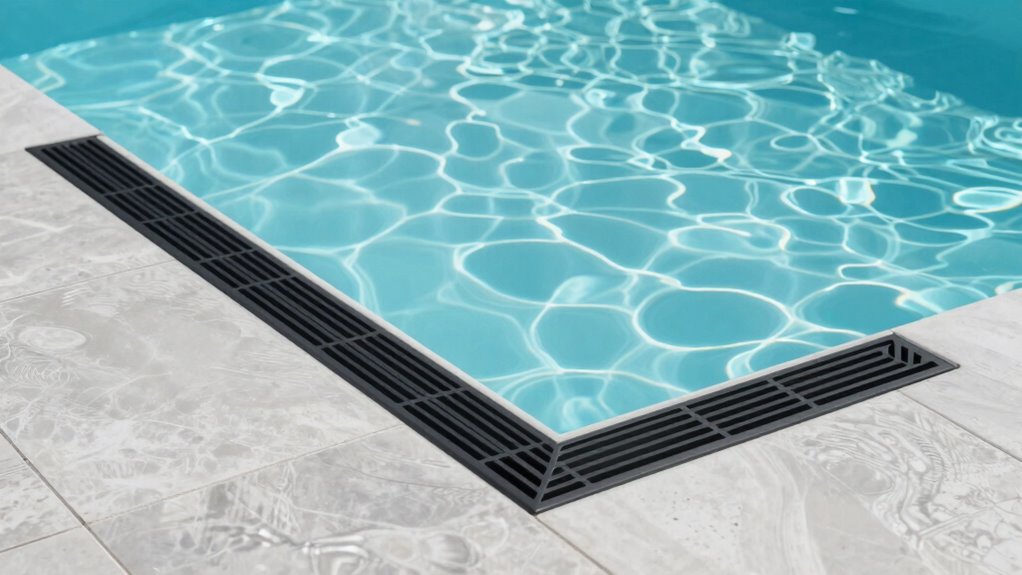

Modern pools enhance safety by using advanced drain covers that meet strict certifications, ensuring durability and reducing suction risks. They install multiple drains to distribute water flow and prevent vortex creation, while safety devices like vacuum release systems automatically activate during blockages. Smarter circulation systems and strategic drain placement further minimize entrapment hazards. Staying informed about these innovations helps you maintain a safer swimming environment—discover more ways modern pools are prioritizing your safety.
Key Takeaways
- Modern pools use multiple, strategically spaced main drains to reduce suction entrapment risks.
- Advanced drain covers meet strict safety standards and are made from corrosion-resistant, durable materials.
- Integrated anti-entrapment systems, like safety vacuum release devices, prevent dangerous suction forces.
- Enhanced flow management and smart controls optimize circulation while minimizing vortex formation.
- Regular maintenance and inspections ensure safety features function properly and comply with evolving safety regulations.

Pool Lights for Inground Pool, 60W 10 Inch LED Inground Pool Light with Controller, Remote and APP Control for Wet Niche, Color Changing Underwater Swimming Pool Lights with 50 Foot Cord
【3 Ways to Control: APP + Controller + Remote】Traditional led pool lights often suffer from signal loss due...
As an affiliate, we earn on qualifying purchases.
What Are the Main Drain Hazards in Pools Today?
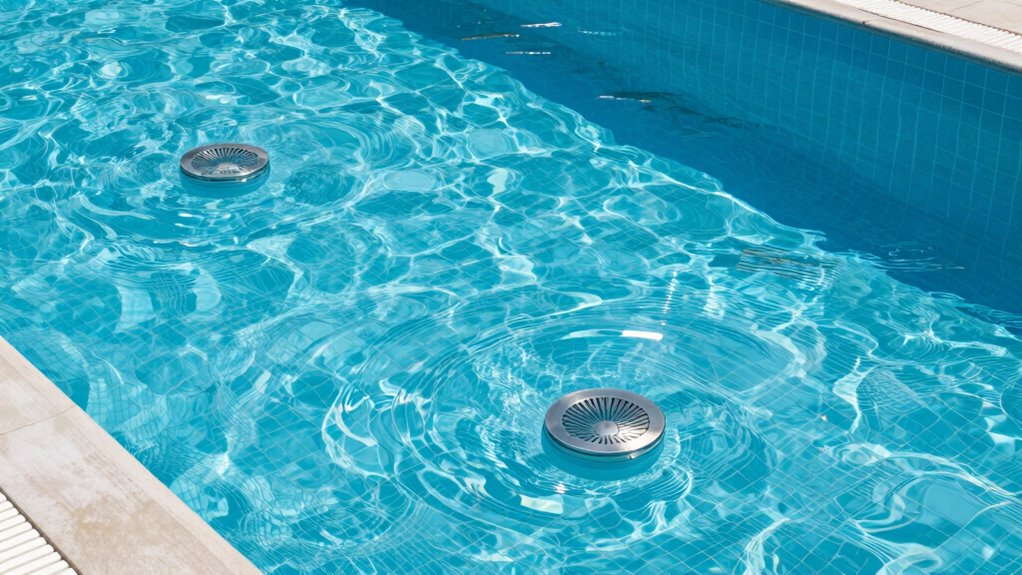
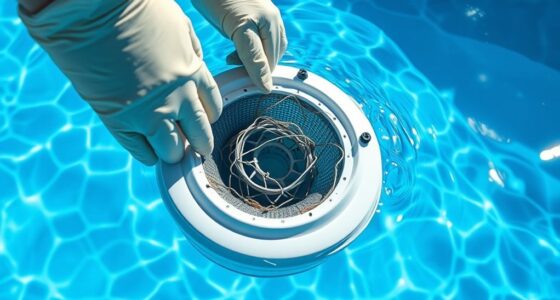
Main drain hazards in pools today pose serious safety risks that often go unnoticed. One key danger is improper pool maintenance, which can lead to damaged or missing drain covers. These covers are essential for preventing entrapment and injuries. If drain covers are cracked, loose, or absent, swimmers risk getting caught or sucked into the drain, especially if the pool’s circulation system isn’t properly maintained. Faulty covers can also cause debris to clog the system, reducing water flow and increasing pressure on the pool’s plumbing. Regular inspections and prompt repairs of drain covers are vital. Ensuring that your pool’s main drain system is well-maintained helps prevent accidents and keeps everyone safe while enjoying the water. Proper maintenance of the pool’s circulation system is crucial for safety and system longevity. Additionally, modern pools often incorporate anti-entrapment devices and updated safety standards that significantly reduce these hazards, highlighting the importance of modern safety standards in pool safety protocols. Implementing advanced safety features can further mitigate risks associated with main drain hazards, especially as modern pool technology continues to evolve.

INTEX 2,650 GPH Krystal Clear Sand Filter Pump and Saltwater Pool Chlorine System for Above Ground Pools, Pool Cleaner System with Automatic Timer
✔ FRESH AND CLEAN WATER – QX2600 uses sand for excellent filtration combined with the QS1200 saltwater system...
As an affiliate, we earn on qualifying purchases.
Why Safety Standards for Main Drains Matter More Than Ever
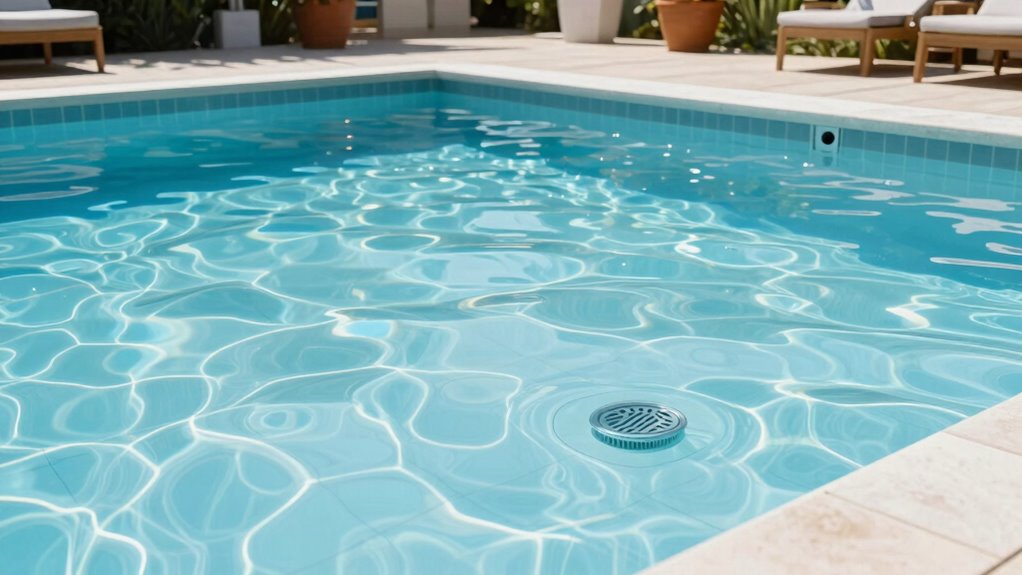
Safety standards for main drains are more important than ever because they make certain regulations that protect swimmers. Modern drain designs reduce entrapment risks, making pools safer for everyone. Staying informed about these standards helps you recognize how they prevent accidents and save lives. Additionally, understanding industry trends can guide you in choosing pools with the latest safety features. For example, updated drain cover regulations ensure that main drains are less likely to cause dangerous entrapment situations.
Enhanced Safety Regulations
Since drowning incidents linked to pool main drains have increased in recent years, strengthening safety regulations is more essential than ever. Modern safety standards now require pools to have dual main drains with proper covers, reducing entrapment risks. To maintain a safe environment, you should focus on:
- Regularly inspecting and replacing main drain covers during pool maintenance.
- Ensuring proper chemical balancing to prevent algae buildup and smooth equipment operation.
- Installing anti-entrapment devices and adhering to updated safety codes to minimize hazards.
- Understanding the importance of Free Floating design principles that help prevent pool accidents and improve overall safety. Additionally, following compliance regulations ensures your pool remains within legal safety standards, further protecting swimmers and reducing liability. Incorporating advanced safety features can also significantly enhance overall pool safety and compliance. Staying informed about regulatory updates helps ensure your pool maintains the highest safety standards.
Preventing Entrapment Risks
As swimming pool incidents linked to entrapment continue to rise, understanding why safety standards for main drains are more critical than ever is essential for every pool owner. Proper safety measures prevent dangerous situations by reducing suction risks. Regular pool maintenance and drain cleaning are crucial to ensure drains function correctly and prevent debris buildup that can impair safety. Incorporating anti-entrapment devices and adhering to safety standards minimizes the chance of entrapment incidents. Additionally, staying informed about safety standards for main drains helps ensure compliance and enhances swimmer safety. Paying attention to air flow around the drain area is also vital to maintain proper operation and prevent suction failures that could lead to accidents. Conducting routine inspections and ensuring that all components meet current safety standards are key steps in safeguarding swimmers. Implementing proper hygiene practices is important to reduce bacteria and contamination risks, further safeguarding swimmers. Incorporating modern safety innovations can further improve overall pool safety and reduce hazards.
Modern Drain Design
Have you ever wondered why modern drain designs are more important than ever for pool safety? Today’s pool drains focus on preventing accidents through better design and technology. Here’s what makes them safer:
- Drain Cover: Modern drain covers are designed to prevent entrapments, reducing suction hazards and ensuring safe swimming.
- Flow Rate Control: New standards limit flow rates to minimize the risk of entrapment and guarantee water moves smoothly without creating dangerous pressures.
- Optimized Design: Improved drain placement and multiple drains distribute water flow evenly, reducing the chance of suction at any single point.
These advancements mean safer pools, protecting swimmers and complying with safety standards. Modern drain design isn’t just about aesthetics—it’s about saving lives.

HQUA PN01DC LED Inground Pool Lighting System RGBW Color Change 10 Inch 50W, Remote/App Control, 120V AC, 100 Feet Cord
【 RGBW Color Control 】 – With the LC01 system, PN01DC offers 10+ dynamic modes, including flashing, jumping...
As an affiliate, we earn on qualifying purchases.
How Do Anti-Entrapment Devices Keep Swimmers Safe?
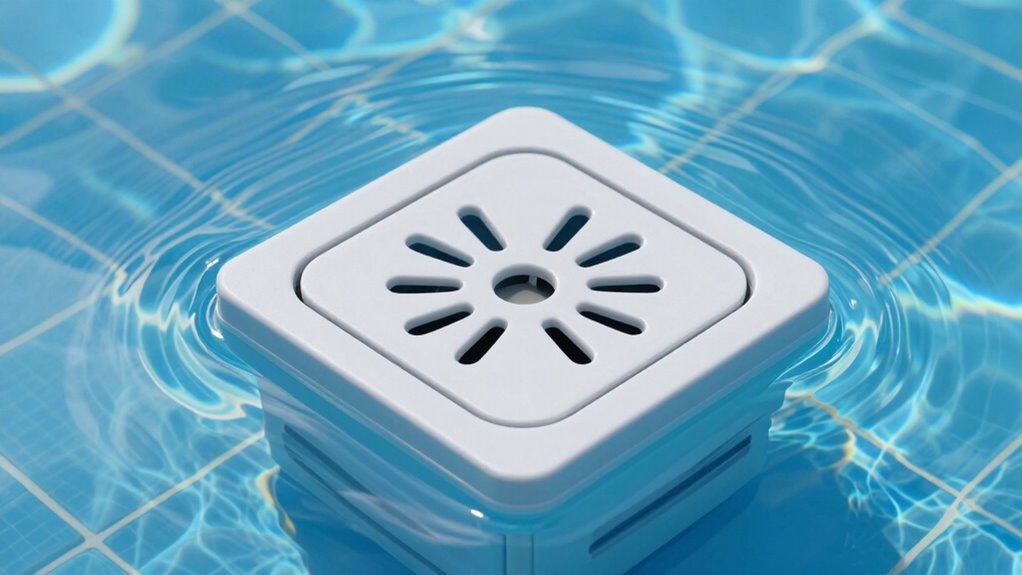
Anti-entrapment devices work by preventing swimmers from becoming stuck if they come into contact with main drains. These safety devices include covers, safety vacuum release systems, and drain covers designed to reduce suction. Understanding how each type functions helps you recognize how they keep everyone safer in the water. For example, trendy dog sweaters are popular among pet owners during the holiday season, much like how safety features are essential for holiday pool gatherings. Proper installation and regular maintenance of these devices are crucial to ensure their effectiveness and compliance with safety standards. Additionally, knowing about device testing procedures can help ensure these safety measures function correctly over time.
How Devices Prevent Entrapment
Devices designed to prevent entrapment work by either blocking or releasing suction when dangerous conditions are detected. They act as safeguards, ensuring swimmer safety during pool use. To achieve this, modern anti-entrapment devices incorporate several features:
- Automatic shutoff valves that activate if high suction is detected, preventing dangerous entrapment.
- Pressure release systems that vent excess vacuum, reducing the risk during drain blockages or maintenance.
- Drain covers with multiple openings, which minimize suction points and make drain cleaning easier while maintaining safety. Additionally, regular maintenance of devices like Youngster Choice ensures these safety features operate effectively.
- The integration of safety standards in modern pool design helps ensure that these devices are effective and compliant with regulations. Adhering to environmental considerations also supports the longevity and proper functioning of these safety features.
Regular pool maintenance, including drain cleaning, keeps these devices functioning properly. Properly maintained drains ensure that safety devices respond quickly, protecting swimmers from potential hazards.
Types of Safety Devices
To keep swimmers safe, a variety of safety devices work by detecting and responding to dangerous suction conditions. Anti-entrapment systems, like drain covers and safety devices, help prevent accidents by reducing suction risks. Modern safety regulations require drain covers that are compliant with strict standards, ensuring they’re secure and durable. These devices often include gravity drainage, vent systems, or automatic shut-offs that activate when excessive force is detected. Implementing air quality standards can also contribute to overall pool safety by ensuring proper ventilation and reducing airborne hazards around the pool area. Additionally, vetted security measures are increasingly incorporated into pool safety protocols to provide comprehensive protection. Together, these safety devices markedly decrease entrapment risks, keeping swimmers safer.
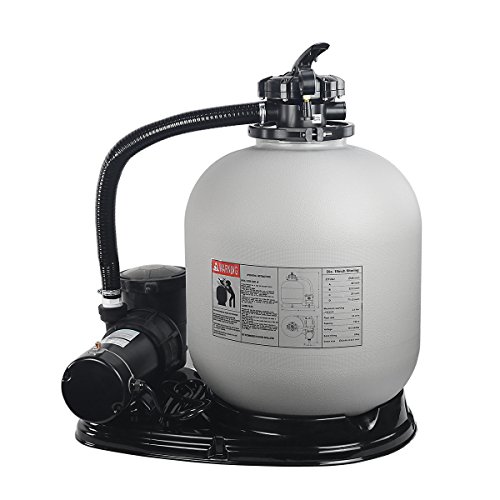
XtremepowerUS 19" Sand Filter 1.5HP Pump 4500 GPH Swimming Pumps System & Filters Combo Set Multi-Port Valve, for Domestic and Commercial Pools up to 18,000 Gallons Pool
Powerful, All-in-One Performance - With an impressive flow rate of 4,500GPH, 1.5HP sand filter pump is ideal for...
As an affiliate, we earn on qualifying purchases.
What Are the Latest Main Drain Cover Technologies and Certifications?
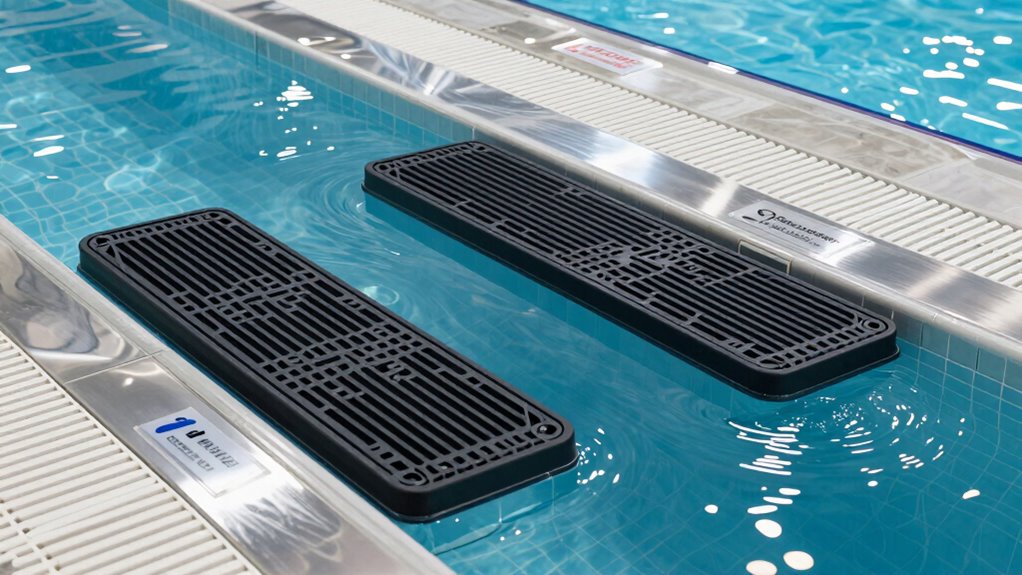
Have you ever wondered how modern main drain covers enhance safety in swimming pools? Today’s covers use advanced drain cover materials designed to prevent entrapment and improve durability. They often feature low-profile designs to minimize suction hazards. Certification processes guarantee these covers meet strict safety standards, such as ANSI/ASME and ASTM certifications, verifying their strength and effectiveness. Here’s what makes them stand out:
- Use of corrosion-resistant, non-toxic materials like stainless steel or reinforced plastic.
- Certification by recognized bodies guarantees compliance with safety regulations.
- Innovative designs that reduce suction forces and eliminate entrapment risks.
These improvements make your pool safer while complying with industry standards, giving you peace of mind every time you swim.
How Are Circulation Systems Designed to Be Smarter and Safer?
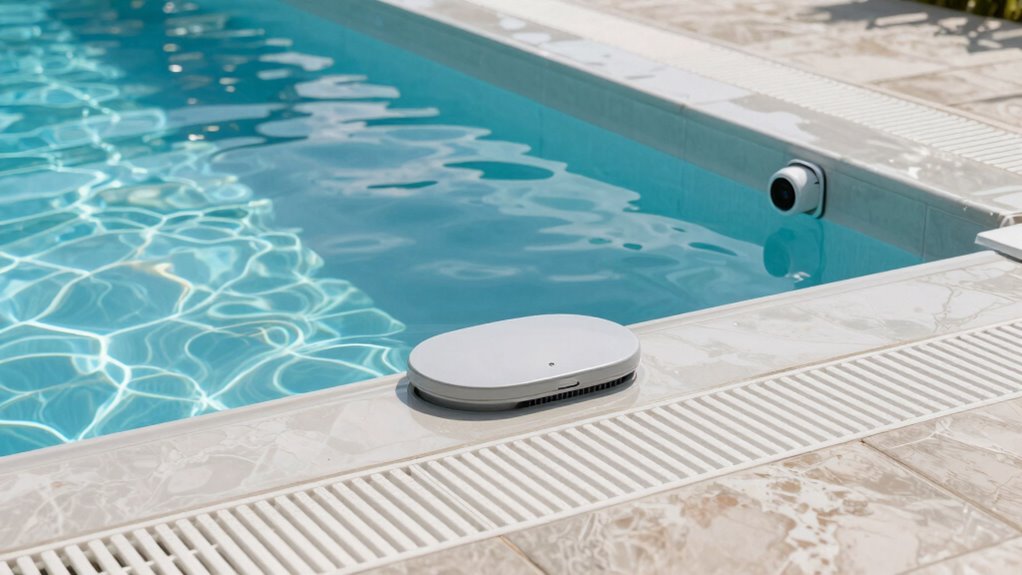
Modern circulation systems incorporate advanced flow management to optimize water movement and reduce risks. Anti-entrapment technologies are built-in to prevent accidents, even during unexpected events. Redundant safety features confirm your system remains secure, even if one component fails.
Advanced Flow Management
Advancements in flow management are transforming circulation systems into smarter and safer networks. Modern designs optimize hydrodynamic flow to prevent dangerous drain vortex formation, reducing entrapment risks. These systems use precise calculations to balance flow rates, ensuring consistent water movement. Here’s how they improve safety:
- Incorporate smart pump controls that adjust flow dynamically, maintaining ideal circulation.
- Use advanced grate designs that minimize vortex creation and improve water safety.
- Implement sensors that monitor flow patterns, instantly detecting unusual vortex activity or blockages.
Anti-Entrapment Technologies
Building on smarter flow management, anti-entrapment technologies focus on designing circulation systems that prevent hazardous water entrapment. Modern pools incorporate safety features such as multiple main drains, gravity drainage systems, and safety covers to minimize risks. These innovations reduce the chance of a swimmer getting caught or trapped by a drain. Regular pool maintenance, including drain cleaning, is essential to keep these systems functioning properly and prevent blockages that could compromise safety. Anti-entrapment devices like ASME/ANSI drain covers are designed to withstand high flow rates and prevent suction injuries. By integrating these technologies, pool owners create a safer environment that’s less vulnerable to entrapment hazards, ensuring everyone can enjoy the water with peace of mind.
Redundant Safety Features
To enhance safety, circulation systems are designed with multiple layers of redundancy that guarantee continuous operation even if one component fails. This approach guarantees your pool remains safe and functional at all times. Key safety features include:
- Multiple drain covers and safety protocols that prevent entrapment and block debris from obstructing flow.
- Redundant pumps and plumbing pathways that activate automatically if one system malfunctions.
- Regular testing and maintenance schedules to verify that safety mechanisms like drain cover integrity and flow sensors are working correctly.
What Are the Current Regulations for Main Drain Safety in New Pools?
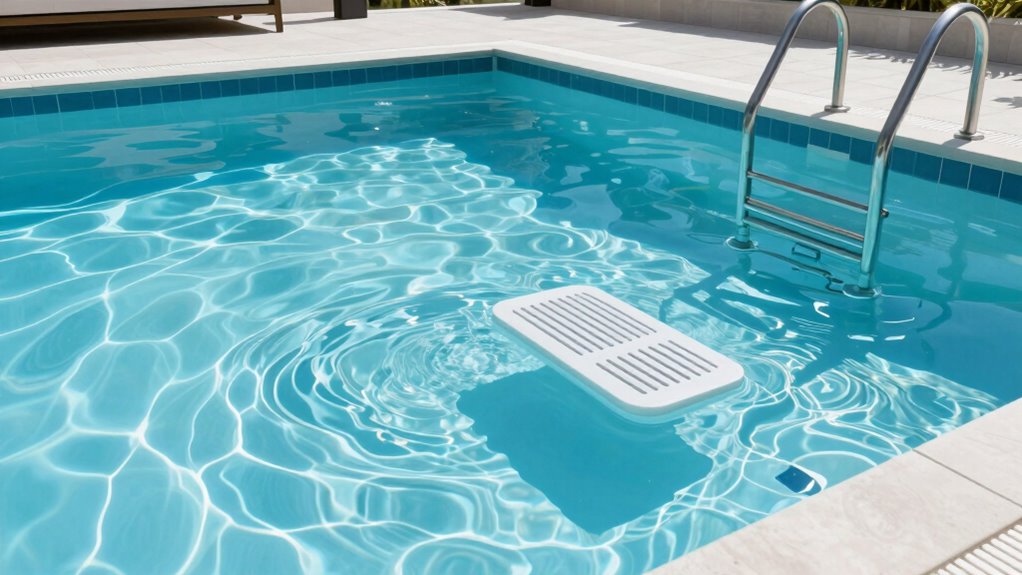
Current regulations for main drain safety in new pools aim to prevent entrapment and guarantee swimmer safety by setting strict standards for drain design and installation. These rules require pools to have multiple main drains spaced apart to reduce suction risk, often connected to safety vacuum release systems or gravity drainage. As a pool owner, you need to prioritize regular pool maintenance to ensure these safety features function properly. Additionally, understanding emergency preparedness protocols is essential in case of a drain-related incident. Regulations also mandate that covers and grates be secure and compliant with safety standards. Staying informed about these regulations helps you maintain a safe swimming environment, protect swimmers, and comply with legal requirements.
How Can Pool Owners Maintain and Inspect Main Drains Effectively?
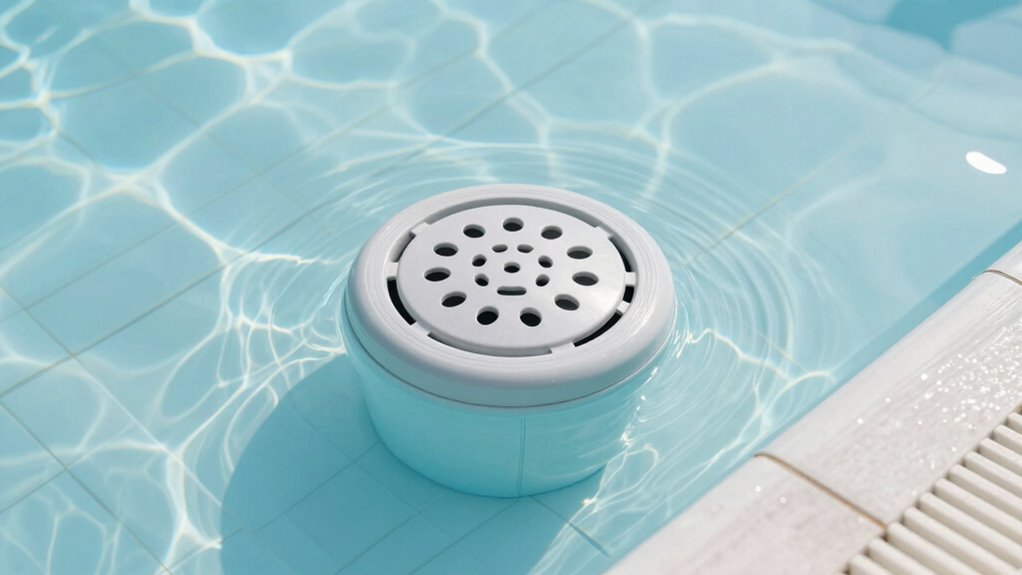
Regularly inspecting and maintaining your pool’s main drains is essential to guarantee they function safely and effectively. To do this, start with these steps:
- Check your pool cover regularly to prevent debris from clogging the drain and to ensure it’s secure.
- Maintain proper chemical balance in your pool water, which reduces algae and bacteria buildup that could interfere with drain operation.
- Inspect the drain covers for cracks or damage and clean around the grate to prevent blockages.
How Is Main Drain Placement Designed to Reduce Risks?
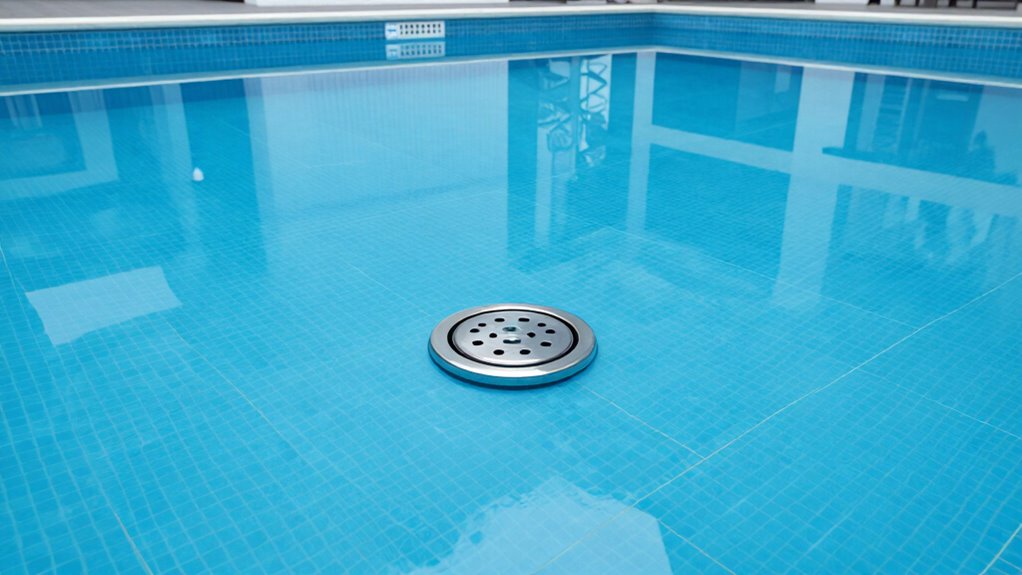
Proper placement of main drains is designed to minimize safety risks, especially the chance of entrapment. Modern pool designers position drains away from high-traffic areas and ensure they are at appropriate depths to prevent hair or body entrapment. The placement also considers ideal water flow, reducing the likelihood of suction issues. During pool maintenance, inspecting drain locations helps identify potential hazards early. Additionally, drain cover materials are carefully selected to increase safety; covers made from durable, non-slip, and compliant materials prevent accidental contact with the drain. Proper placement combined with high-quality covers ensures that the risk of entrapment is markedly lowered, making your pool safer for everyone. This thoughtful design approach is a key part of modern pool safety standards.
How Do Modern Pool Designs Balance Safety and Functionality?
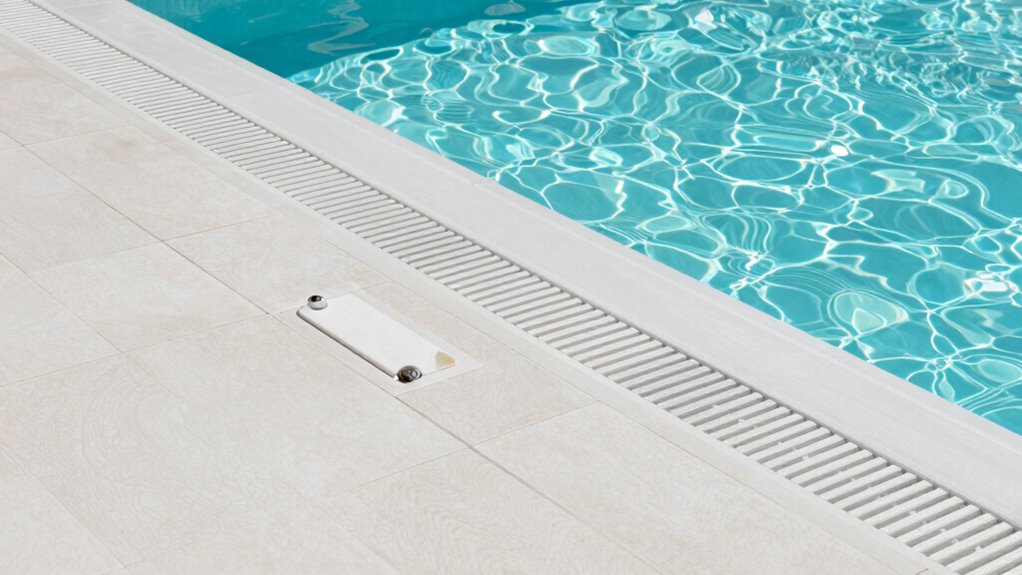
- They incorporate sleek, unobtrusive safety barriers that blend with the pool’s look, preserving visual appeal.
- They optimize water chemistry management, reducing risks like algae or corrosion that could compromise safety equipment.
- They use advanced drain covers and safety features that prevent entrapment, all while keeping the overall design stylish and functional.
This approach guarantees your pool is not only beautiful but also safe, with features that work seamlessly without detracting from its visual or practical appeal.
What Steps Can You Take to Ensure Your Pool Meets Safety Standards?
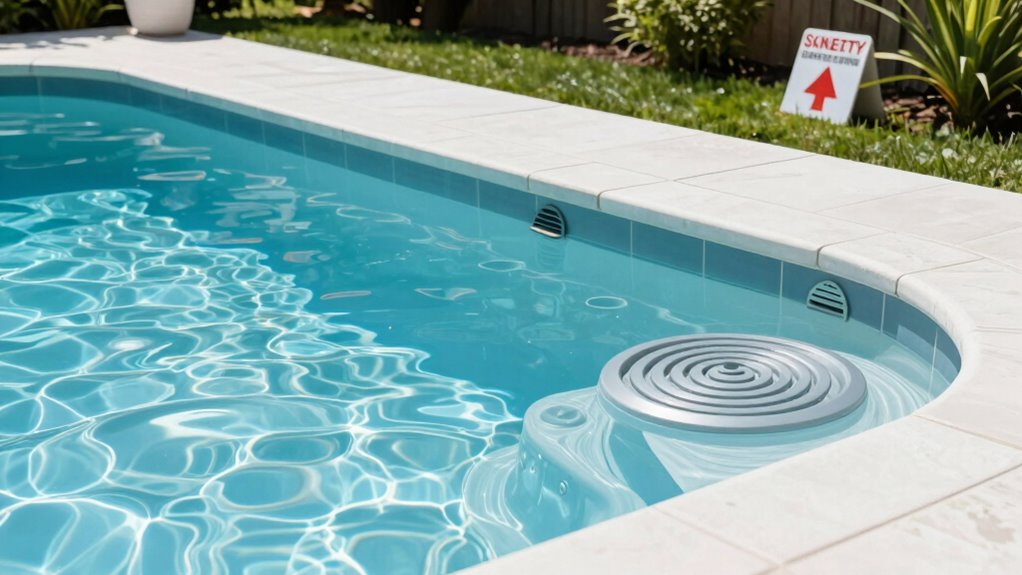
Ensuring your pool meets safety standards starts with understanding the specific regulations in your area and taking proactive steps to comply. Regular pool maintenance is essential; clean filters, check for hazards, and keep the area secure. Pay close attention to water chemistry, maintaining proper pH levels and sanitizer levels to prevent bacterial growth and ensure clear, safe water. Install safety devices like anti-entrapment main drains and safety covers, and ensure your pool’s fencing meets local codes. Educate yourself on pool safety practices, including supervising swimmers and avoiding unsafe behaviors. Regular inspections and timely repairs help prevent accidents. By staying informed and diligent, you can create a safer swimming environment that meets or exceeds safety standards.
Frequently Asked Questions
How Often Should Pool Main Drains Be Inspected for Safety Compliance?
You should inspect your pool drain covers and conduct safety compliance inspections at least once a year. Regular inspection schedules help guarantee that the drain covers remain secure, undamaged, and meet current safety standards. By staying proactive, you prevent potential hazards like entrapment or injuries. Make sure to check for cracks, corrosion, or loose fittings during each inspection, and replace any damaged components promptly to keep your pool safe for everyone.
What Are the Most Common Misconceptions About Pool Drain Safety?
Don’t let myths cloud your judgment—believe me, a fool and his pool drain are soon parted. Many think pool suction is always dangerous, but modern drain covers substantially reduce risks. People assume they can ignore regular inspections, yet neglecting these can lead to accidents. Remember, proper drain covers and maintenance are your best defense, ensuring safety isn’t just a myth but a reality in your pool.
How Do New Regulations Impact Existing Pool Drain Systems?
New regulations require you to update your existing pool drain systems through pool drain retrofits to guarantee regulatory compliance. These updates often involve installing safer drain covers and dual-drain systems to prevent entrapment hazards. By retrofitting, you reduce risks and meet current safety standards, protecting swimmers and avoiding potential penalties. Staying compliant means you keep your pool safe, modern, and in line with the latest safety requirements.
Are There Specific Maintenance Routines to Prevent Drain Entrapment Incidents?
You absolutely must check your drain covers regularly—think of it as giving your pool a health check-up! Inspect for cracks, wear, or loose fittings because neglecting these could turn a small issue into a suction hazard disaster. Clean debris away to prevent clogs, and guarantee all covers are securely in place. This simple routine keeps you safe from drain entrapment incidents and keeps your pool fun, not frightening.
What Advancements Are Expected in Future Pool Drain Safety Technology?
Future pool drain safety tech will likely feature advanced drain cover innovations that prevent entrapment more effectively. You can also expect smarter safety monitoring systems that detect potential hazards instantly, alerting you and activating safety protocols automatically. These improvements will make pools safer, giving you peace of mind while enjoying the water. Manufacturers are continuously refining these technologies, so staying updated guarantees you’re always protected with the latest safety features.
Conclusion
By prioritizing modern safety features and regular maintenance, you can enjoy your pool without unnecessary worries. Some might think safety upgrades are costly or complicated, but investing in certified covers and proper drain placement is more affordable and straightforward than you think. These steps protect you and your loved ones, making your pool a safe, fun space. Don’t wait—taking proactive safety measures now guarantees peace of mind for years to come.