Understanding the hydraulic basics of skimmers, main drains, and returns helps you guarantee effective pool circulation. Fluid moves through the system by creating pressure differences driven by pump operation, allowing water to flow smoothly from skimmers and drains back through the returns. Proper pipe sizing and installation minimize resistance and turbulence, promoting efficient flow. Knowing these principles helps you troubleshoot and optimize your system, and exploring further will reveal ways to improve performance and energy savings.
Key Takeaways
- Proper skimmer, main drain, and return placement ensures balanced water flow and optimal hydraulic efficiency.
- Correct pipe sizing and material selection minimize pressure loss and turbulence in the system.
- Adequate pump sizing maintains proper flow rates, preventing skimmer and drain performance issues.
- Secure fittings and proper installation reduce leaks and help sustain system pressure and flow.
- Understanding hydraulic principles aids in troubleshooting flow imbalances and optimizing pool circulation.
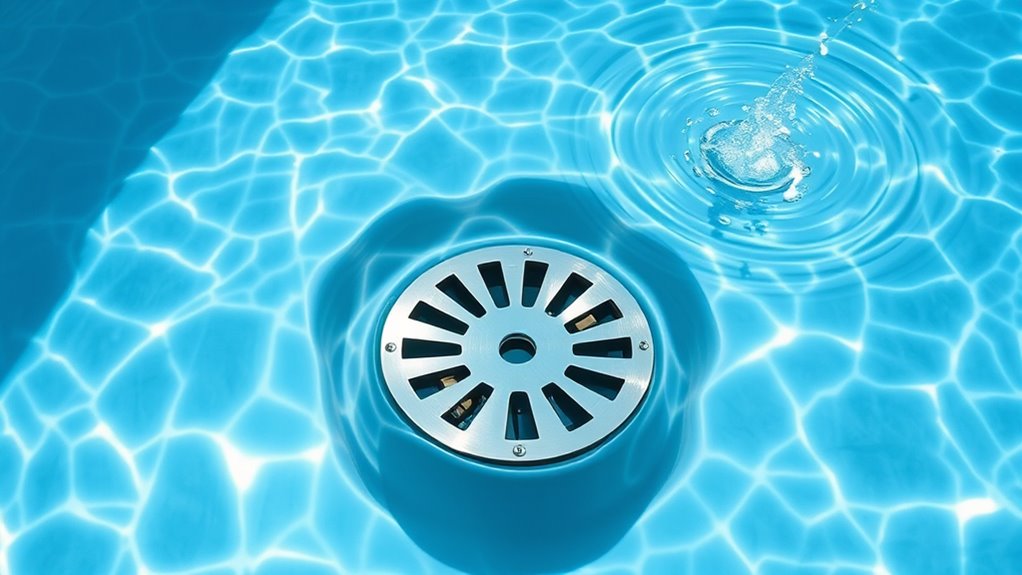
Hydraulics is a technology that uses fluid power to perform work, and understanding its basics is fundamental for anyone working with machinery or systems that rely on fluid pressure. When designing or maintaining systems like skimmers, main drains, and returns, you need to consider how the fluid moves through the system. One critical aspect is pump sizing. Choosing the right pump size ensures the system has enough flow to operate efficiently without overloading the pump or causing pressure issues. If your pump is too small, it won’t generate enough flow, leading to poor skimmer or drain performance. Conversely, an oversized pump can create excessive pressure, resulting in energy waste and potential damage to system components. To determine the proper pump size, you need to analyze the flow requirements based on the system’s volume and desired turnover rate, factoring in head loss caused by pipe friction and fittings. Proper pump selection also involves understanding the pressure head that affects system performance and energy efficiency.
Pipe materials also play a key role in hydraulic efficiency. Selecting the appropriate pipe material affects flow rate, pressure loss, durability, and installation costs. Common options include PVC, polypropylene, and reinforced hoses, each with different friction coefficients and resistance characteristics. For example, PVC pipes are lightweight, inexpensive, and resistant to corrosion, making them a popular choice for pool and spa systems. However, they may become brittle over time if exposed to UV rays or extreme temperatures. Reinforced hoses or metal pipes might be necessary in high-pressure applications or where mechanical strength is a priority. The pipe’s diameter directly influences flow capacity; larger diameters reduce pressure loss and allow higher flow rates, which are crucial for effective skimming and draining. When selecting pipe materials, you also need to consider compatibility with the fluid, environmental conditions, and ease of installation.
Proper pipe installation minimizes turbulence and pressure drops, ensuring smooth fluid flow from skimmers and drains back to the pump. Tight, secure fittings prevent leaks, and correct pipe alignment reduces resistance. Remember, the entire hydraulic system relies on balanced flow and pressure; any weak link can impair performance or cause damage. By understanding how to properly size your pump and choose suitable pipe materials, you optimize your system’s efficiency and longevity. It allows you to maintain clear water, efficient filtration, and safe operation, whether you’re working on a swimming pool, spa, or industrial fluid system. Ultimately, paying attention to these foundational aspects of hydraulics helps you troubleshoot issues more effectively and design systems that perform reliably over time.
Frequently Asked Questions
How Do Skimmers Prevent Debris From Sinking?
Skimmers prevent debris from sinking by actively drawing surface water and floating debris into their basket or net, enhancing skimmer efficiency. As water flows into the skimmer, it captures leaves, bugs, and other debris before they sink, keeping the pool cleaner. Regular maintenance ensures ideal debris prevention, and adjustable weir doors help control water flow, maximizing debris collection and maintaining clear, healthy pool water.
What Is the Purpose of a Main Drain in Pools?
Main drains maximize pool maintenance by managing water flow and enhancing pool filtration. They pull water from the pool’s deepest parts, helping to circulate water efficiently and prevent stagnation. By creating a steady, strong suction, they ensure debris sinks safely to the bottom and is filtered out. You rely on the main drain to maintain clean, clear water, promoting proper circulation and preventing potential hazards from standing or stagnant water.
How Do Returns Influence Water Circulation?
Returns influence water circulation by directing flow back into the pool, shaping water flow dynamics and circulation patterns. When you adjust the return jets, you can improve water movement, ensuring even distribution of chemicals and preventing stagnation. Properly positioned returns promote efficient circulation, helping to keep the water clear and balanced. You have control over how water moves, which enhances overall pool maintenance and creates a more inviting swimming environment.
Can Hydraulic Issues Affect Pool Sanitation?
Yes, hydraulic issues can affect pool sanitation. When your system experiences problems, it reduces filtration efficiency, allowing dirt and bacteria to accumulate. Poor water flow also disrupts chemical distribution, making disinfectants less effective. This can lead to cloudy water and algae growth. To keep your pool safe and clean, address hydraulic issues promptly, ensuring proper circulation, filtration, and even chemical distribution.
What Are Common Signs of Hydraulic System Failure?
Did you know that hydraulic system failures account for nearly 30% of pool equipment issues? You’ll notice signs like hydraulic fluid leaks around fittings or, more often, increased pump noise indicating trouble. These signs suggest pressure loss or component wear. Addressing hydraulic fluid leaks promptly and monitoring pump noise can prevent more serious damage, keeping your pool’s hydraulic system functioning smoothly and ensuring ideal sanitation and safety.
Conclusion
Understanding skimmers, main drains, and returns is essential for mastering your pool’s hydraulic system. When you get these basics right, your pool will run smoother than a racecar on an open track, ensuring crystal-clear water and effortless maintenance. Don’t underestimate the power of proper flow—it’s the heartbeat of a healthy pool. So, stay vigilant, keep everything calibrated, and watch your pool become the envy of every swimmer who dives in!