
Maintaining a pool costs about $1,200 to $2,500 annually, depending on factors like size, use, and whether you choose DIY or professional services. Regular cleaning, chemical balancing, and equipment upkeep are essential for water safety and appearance. While it can seem pricey, investing in good maintenance saves you money on repairs and prevents issues. Want to see how these costs stack up and if it’s really worth it? Keep exploring to find out more.
Key Takeaways
- Routine cleaning costs typically range from $520 to $1,300 annually for professional services.
- Chemical supplies can add $300 to $600 per year to maintain water balance and safety.
- Full-service maintenance packages usually cost $1,200 to $3,600 annually, depending on pool size and location.
- Seasonal adjustments and winterization can reduce overall maintenance expenses during off-peak months.
- Investing in regular upkeep ensures water safety, aesthetic appeal, and long-term pool health, making maintenance worthwhile.
Are you wondering how much it really costs to keep your pool in top shape? Maintaining a pool isn’t just about skimming leaves or adding a splash of chlorine; it involves regular upkeep to ensure your water stays clean, safe, and inviting. The costs can add up, but understanding what’s involved can help you decide if the investment is worth it. A big part of that expense comes from routine pool cleaning and chemical balancing, which are essential for maintaining water clarity and preventing issues like algae growth or bacteria buildup.
Pool cleaning typically includes skimming debris from the surface, vacuuming the bottom, brushing the walls, and cleaning the filters. Depending on the size of your pool and how often you do it yourself, you might spend anywhere from $20 to $50 per visit if you hire professionals. Doing it yourself saves money but requires time and effort. Regular cleaning isn’t just about aesthetics; it prevents clogging and equipment damage, which can lead to costly repairs down the line. So, factoring in weekly or bi-weekly cleaning sessions is essential when estimating annual costs.
Regular cleaning prevents damage and costly repairs, with professional visits costing $20 to $50 each.
Chemical balancing is equally critical. Proper chemical levels prevent algae and bacteria growth, keep the water safe, and protect your pool’s equipment. This involves testing the water regularly—using test strips or a testing kit—and adjusting chemicals such as chlorine, pH adjusters, alkalinity, and stabilizers. The cost for chemicals varies, but you might budget around $300 to $600 a year for supplies. Neglecting chemical balancing can result in cloudy water, foul odors, or even health risks, which means more drastic (and expensive) repairs or replacements down the line.
If you prefer professional help, many pool service companies offer full maintenance packages that include cleaning, chemical balancing, equipment checks, and minor repairs. These services can cost anywhere from $100 to $300 per month, depending on your pool’s size and location. While this might seem steep, it offers peace of mind, ensuring your pool remains in *prime* condition without you having to lift a finger.
Keep in mind that seasonal adjustments can influence costs. For example, in warmer months, you’ll likely need more frequent cleaning and chemical adjustments, increasing your annual budget. Conversely, in cooler months, costs may decline, especially if you winterize your pool properly.
In the end, maintaining a pool involves ongoing expenses, but many find the comfort of a sparkling, safe swimming environment worth the investment. Whether you choose DIY or professional services, understanding these costs helps you budget wisely and enjoy your pool without surprises.

INTEX 2,650 GPH Krystal Clear Sand Filter Pump and Saltwater Pool Chlorine System for Above Ground Pools, Pool Cleaner System with Automatic Timer
✔ FRESH AND CLEAN WATER – QX2600 uses sand for excellent filtration combined with the QS1200 saltwater system...
As an affiliate, we earn on qualifying purchases.
Frequently Asked Questions
How Does Pool Size Affect Maintenance Costs?
Your pool size directly impacts your maintenance expenses. Larger pools require more chemicals, longer cleaning times, and bigger filtration systems, which increase costs. Smaller pools are easier and cheaper to upkeep, needing less water, fewer chemicals, and less frequent cleaning. So, as your pool size grows, expect your maintenance expenses to rise proportionally, making larger pools more costly to keep in top shape.
Are There Eco-Friendly Options to Reduce Expenses?
You can cut costs by choosing eco-friendly options like green cleaning products, which reduce chemical use and harm to the environment. Installing solar heating can also lower energy bills by harnessing free sunlight to warm your pool. These options not only save money but promote sustainability, making your pool maintenance more affordable and eco-conscious. Embracing these solutions helps you enjoy your pool without high expenses or environmental guilt.
How Often Should Filter Systems Be Replaced?
You should replace your pool filter system every 3 to 5 years, depending on usage and maintenance. To extend its lifespan, explore pool cover options that reduce debris and chemical alternatives that minimize harsh chemicals, easing strain on your filter. Regular cleaning and proper chemical balance also help. Staying proactive guarantees your filter functions efficiently, saving you money and effort in the long run.
What Are Hidden Costs in Pool Maintenance?
Did you know that hidden costs can add up to 50% of your pool maintenance budget? These include frequent chemical balancing, unexpected equipment upgrades, and repairs. You might not realize how much these small expenses impact your overall costs until they pile up. To keep expenses in check, plan for regular chemical balancing, and budget for equipment upgrades, avoiding costly surprises that could make pool ownership less worth it.
Does Professional Maintenance Save Money Long-Term?
You might wonder if professional maintenance saves money long-term. Regular pool cleaning and maintaining a proper chemical balance help prevent costly issues like algae growth or equipment damage. By hiring experts, you guarantee these tasks are done correctly, reducing the risk of expensive repairs. Over time, this can lower your overall pool expenses, making professional upkeep a smart investment that keeps your pool in top shape without unexpected costs.
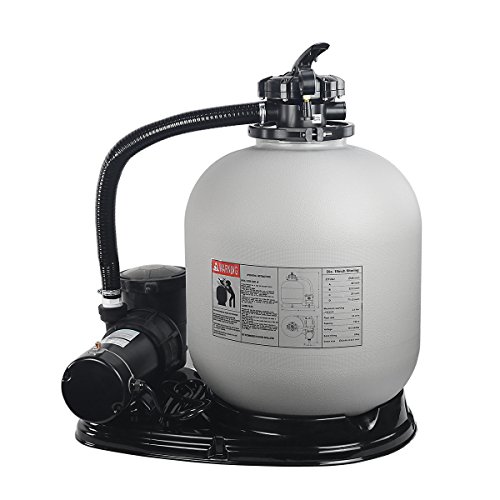
XtremepowerUS 19" Sand Filter 1.5HP Pump 4500 GPH Swimming Pumps System & Filters Combo Set Multi-Port Valve, for Domestic and Commercial Pools up to 18,000 Gallons Pool
Powerful, All-in-One Performance - With an impressive flow rate of 4,500GPH, 1.5HP sand filter pump is ideal for...
As an affiliate, we earn on qualifying purchases.
Conclusion
Ultimately, maintaining a pool is like tending a delicate garden—you invest time and resources, but the bloom of enjoyment makes it all worthwhile. Weigh the costs against the joy of summer swims and relaxing weekends. If you’re willing to nurture it, your pool becomes a sparkling oasis amid life’s chaos. Remember, every drop of effort adds to the shimmering mirror of your personal paradise, making the investment feel like a small price for endless summer memories.

SWIMLINE HYDROTOOLS Complete Sand Filter System, 14" Tank - for Above-Ground & Inground Pools Up to 10,500 Gallons, Single Speed Pump, 0.45 THP, 2,400 GPH, 4-Way Multi-Port Valve, 60 lb Capacity
Optimized Filtration: Swim in crystal-clear pool waters with Swimline HydroTools sand filters, designed for optimized filtration efficiency and...
As an affiliate, we earn on qualifying purchases.

XtremepowerUS 24" Sand Filter Inground Ground Above Ground System Swimming Pool 29,400 Gallons
The Filter are perfectly engineered to provide optimum flow rates that promotes clean water quality
As an affiliate, we earn on qualifying purchases.