When comparing operating costs, solar energy usually has the lowest ongoing expenses, thanks to minimal maintenance and incentives that lower initial costs. Heat pumps are efficient and cost less to run than gas systems, which have higher fuel and maintenance costs over time. Gas systems may seem cheaper upfront but can become expensive long-term due to fluctuating fuel prices and repairs. To understand how each option fits your budget and sustainability goals, explore the details further.
Key Takeaways
- Solar energy has minimal ongoing costs, mainly for maintenance, and benefits from significant renewable incentives.
- Heat pumps have moderate operating expenses mostly from electricity, with potential rebates, and are more efficient than traditional systems.
- Gas systems typically feature lower upfront costs but higher and more variable ongoing fuel and maintenance expenses.
- Incentives like tax credits and rebates make solar and some heat pumps more cost-effective long-term compared to gas systems.
- Overall, solar and heat pumps tend to offer lower lifetime operating costs and greater sustainability than gas systems.

When evaluating different options for your business or personal investments, understanding operating costs is essential. This is especially true when comparing solar, heat pump, or gas systems, as each has distinct financial implications over time. Operating costs include ongoing expenses like energy consumption, maintenance, and any incentives that might offset initial investments. Recognizing these factors helps you make informed decisions that align with your budget and sustainability goals. Solar energy, in particular, benefits from renewable incentives, which can significantly reduce initial costs and improve affordability. Starting with solar energy, one of its most attractive features is the potential for renewable incentives. These incentives, such as tax credits or rebates, can considerably reduce upfront costs, making solar more accessible. Once installed, solar panels usually have low operating costs, primarily limited to occasional maintenance. Maintenance costs for solar are generally minimal; cleaning panels and inspecting inverters are routine tasks that don’t demand much time or money. This low maintenance requirement translates into predictable, stable expenses over the system’s lifespan. Although the initial investment can be high, the long-term savings on energy bills and the availability of incentives often make solar a cost-effective choice. Plus, since it relies on sunlight, your energy costs are less affected by fuel price fluctuations, offering additional financial stability. Heat pumps also present a compelling option, especially in moderate climates. They tend to have moderate operating costs because they work by transferring heat rather than generating it directly, resulting in higher efficiency than traditional heating methods. Your main ongoing expenses will be electricity bills, which can be lower than gas or oil systems if your electricity is affordable. Maintenance costs for heat pumps are generally moderate; regular filter replacements, system checks, and occasional refrigerant refills are typical. While they don’t usually qualify for as many renewable incentives as solar, some regions offer rebates that can help offset initial costs. Over time, heat pumps can lead to savings due to their efficiency, particularly if your current heating system relies on fossil fuels. They also tend to be environmentally friendly, which aligns with sustainable investment strategies. Gas systems, on the other hand, often come with lower upfront costs but higher ongoing expenses. Natural gas prices fluctuate, so your energy bills could vary considerably year to year. Maintenance costs for gas systems tend to be higher than for solar or heat pumps, as they require regular inspections, venting checks, and potential repairs to manage safety and efficiency. While some regions may offer incentives for switching to cleaner options, renewable incentives for gas systems are limited, making them less attractive in the long run from a sustainability standpoint. Gas systems may seem attractive due to their initial affordability, but over time, fuel costs and maintenance can add up, potentially making them more expensive than renewable alternatives.
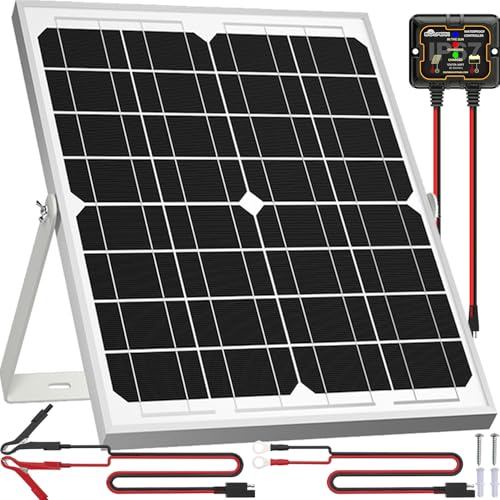
SOLPERK Solar Panel Kit 20W 12V, Waterproof Solar Battery Trickle Charger Maintainer + Smart MPPT Controller + Adjustable Mount Bracket for Boat Car RV Motorcycle Marine Automotive
【High Conversion Rate】This 20W solar panel with monocrystalline A+ solar cell has an excellent cell efficiency of 21%-30%….
As an affiliate, we earn on qualifying purchases.
As an affiliate, we earn on qualifying purchases.
Frequently Asked Questions
How Do Local Energy Prices Affect Operating Costs?
You’ll find that local energy prices greatly impact your operating costs because energy price fluctuations can make utility bills vary month to month. Utility rate structures, such as tiered or time-of-use rates, also influence costs, meaning you might pay more during peak times or for higher usage. Staying aware of these factors helps you plan better and potentially choose energy solutions that save you money in the long run.
What Maintenance Costs Are Associated With Each System Type?
You’ll find maintenance costs vary, with solar systems needing minimal upkeep—about $150 annually—thanks to their durability. Heat pumps require regular filter changes and inspections roughly every year, costing around $200-$300. Gas systems, however, have higher maintenance needs, including annual inspections and potential repairs, averaging $300-$500. Overall, solar’s low maintenance requirements make it a durable, cost-effective option, while gas systems demand more frequent upkeep.
How Does System Lifespan Impact Overall Cost Efficiency?
Your system lifespan directly affects your overall cost efficiency by influencing how often you need a system replacement. A longer-lasting system reduces depreciation expenses over time, meaning you spend less on replacements and repairs. When a system wears out sooner, you face higher replacement costs and increased depreciation expenses, making it less cost-effective. Investing in a durable system guarantees you maximize efficiency and minimize long-term costs.
Are There Government Incentives for Solar or Heat Pumps?
Yes, you can benefit from government incentives like rebates and tax credits when installing solar or heat pump systems. These financial incentives help reduce your upfront costs and improve long-term savings. Be sure to check your local programs, as eligibility varies. Taking advantage of these incentives makes switching to renewable energy more affordable, so you can enjoy lower operating costs and contribute to environmental sustainability.
How Do Climate Variations Influence Operating Expenses?
Climate variations are like a chameleon changing colors; they markedly influence your operating expenses. You’ll see climate adaptability in seasonal energy use, with colder months demanding more heating and warmer months less cooling. In regions with harsh winters or scorching summers, expect higher costs due to increased energy needs. Understanding these patterns helps you plan better, ensuring your system remains efficient and cost-effective year-round, regardless of the climate shifts around you.

Albott Mini Split Air Conditioner and Heater, 12,000 BTU, SEER2 18, 115V Inverter Energy-Efficient AC with Self-Cleaning, Remote and APP Control, Easy Installation, Cools up to 750 Sq.Ft.
All-in-One Comfort Control: This mini split AC/heating system provides cooling, heating, dehumidifying, and fan modes with 61°F–90°F settings,…
As an affiliate, we earn on qualifying purchases.
As an affiliate, we earn on qualifying purchases.
Conclusion
When choosing between solar, heat pump, or gas, consider not just upfront costs but long-term operating expenses. Solar may seem expensive initially but offers significant savings over time, while gas might be cheaper now but can cost more as prices rise. Heat pumps strike a balance with efficiency and affordability. So, which option will you prioritize for a more sustainable and cost-effective future—short-term savings or long-term value? The choice is yours.

700-506 Gas Valve 720000 BTU/H Fit for Robertshaw 700 Series, Combination Furnace Gas Valve Repair Parts, Fast Opening, for Natural, Manufactured, Mixed, LPG and LPG/Air Mixtures
Perfectly Compatible: 700-506 Gas Valve fits for Robertshaw 700, can be compatible with various gas types such as…
As an affiliate, we earn on qualifying purchases.
As an affiliate, we earn on qualifying purchases.

DIY Off-Grid Solar Power for Beginners: The Easiest Guide to Building Low-Cost Solar Systems for Homes, RVs, Tiny Houses, Boats. Qualify for Tax Credits and Save with Government Incentives.
As an affiliate, we earn on qualifying purchases.
As an affiliate, we earn on qualifying purchases.