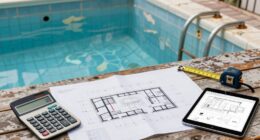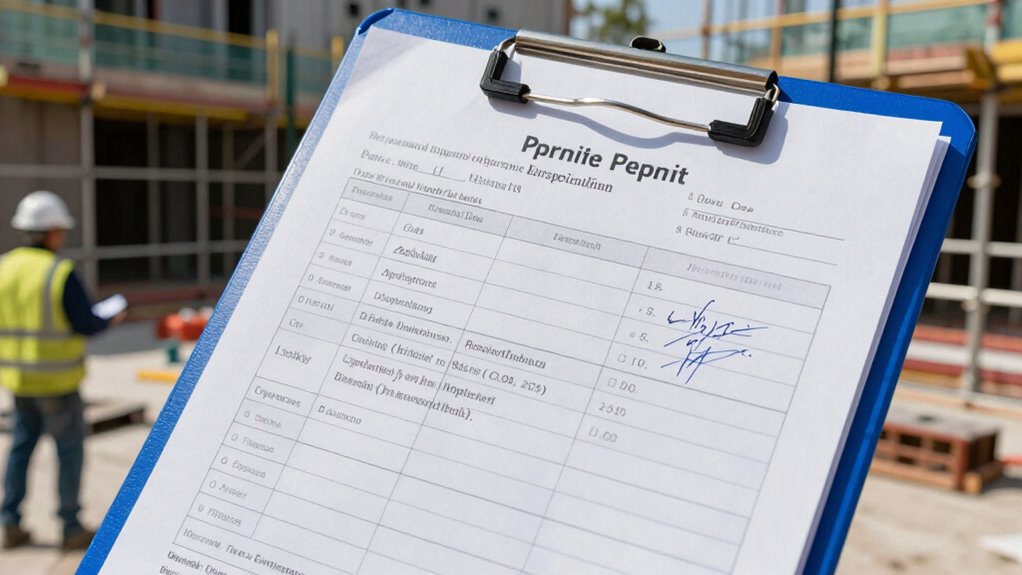

To prevent build delays, you should create a thorough permits and inspections checklist. Start by listing all required permits, deadlines, and inspection stages. Schedule inspections early and keep detailed records of approvals. Prepare all necessary documents for each stage, and track costs to stay within budget. Address issues promptly if inspections fail, and communicate with inspectors. Following these steps will help you maintain compliance and stay on schedule—learn more to master this essential process.
Key Takeaways
- Prepare and submit complete permit applications with all necessary documents early to avoid delays.
- Schedule inspections promptly at each construction stage and monitor results for timely issues resolution.
- Maintain organized, up-to-date documentation of permits, approvals, and inspection reports for easy access.
- Understand local building codes and permit requirements to ensure compliance throughout the project.
- Address inspection failures quickly with detailed repair plans and reinspection scheduling to prevent project setbacks.
Why Permits and Inspections Are Essential for Construction Safety
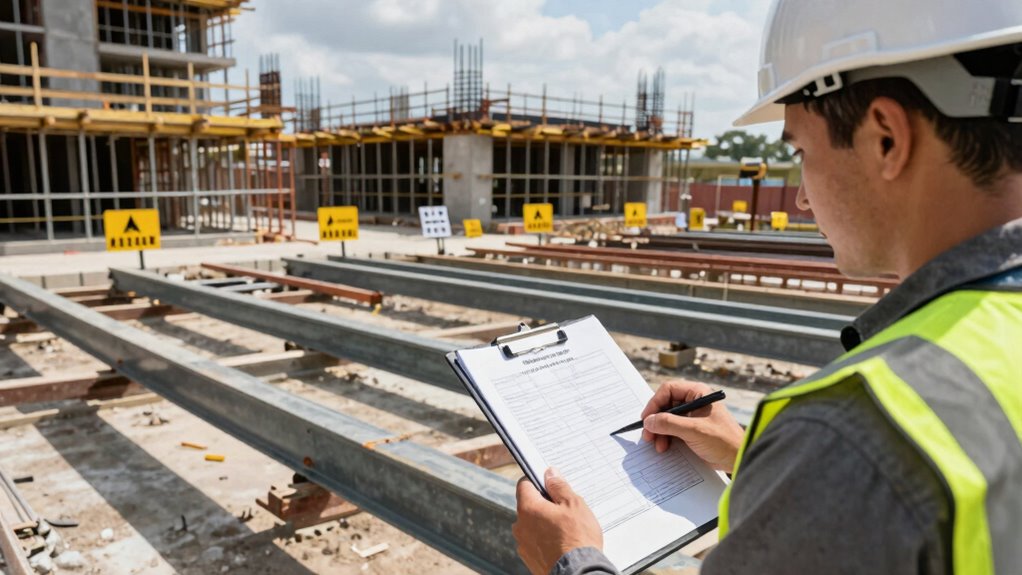
Permits and inspections are essential components of construction safety because they guarantee projects meet established standards and regulations. Permitting procedures ensure that your project complies with local building codes, zoning laws, and safety requirements before work begins. This step helps identify potential issues early, reducing the risk of costly delays or violations. Inspection guidelines set clear checkpoints during construction, allowing safety officials to verify that work is performed correctly and safely. Regular inspections help catch problems like structural weaknesses or code violations before they become hazards. By adhering to these processes, you ensure that safety is integrated into every stage of construction, protecting workers, future occupants, and the surrounding community. Additionally, understanding project specifications helps ensure that all safety measures align with the intended design and standards. Proper documentation of permits and inspections can also serve as legal compliance evidence if issues arise later in the project. Ultimately, permits and inspections serve as a critical safeguard against unsafe building practices.
How the Construction Permitting Process Works (A Step-by-Step Guide)
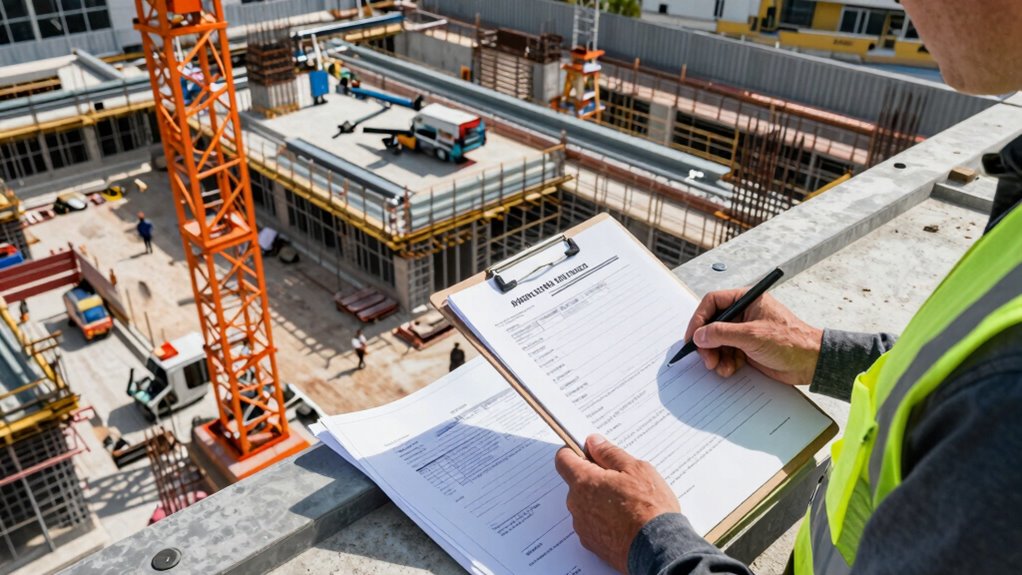
Understanding how the construction permitting process works can help you navigate the steps needed to start your project smoothly. First, you submit an application that demonstrates your plans comply with building codes. The city reviews your submission for adherence to safety standards and zoning requirements. You’ll then pay permit fees, which vary depending on project size and scope. Once approved, you receive your permit, allowing you to begin construction. During the process, inspections ensure your work follows approved plans and building codes. If issues arise, you’ll need to address them before moving forward. Staying organized and understanding each step can prevent delays and costly rework, making the entire process more efficient. Additionally, proper documentation throughout the process helps ensure compliance and facilitates smoother inspections. Being aware of specialized terminology used in permits and inspections can also help you communicate more effectively with officials. Ultimately, knowing how permits work keeps your project on track from start to finish, and understanding the permitting process can significantly reduce the risk of unexpected setbacks. For example, understanding the inspection schedule and requirements can help you prepare better for each review stage.
What You Need to Prepare for Your Permit Application
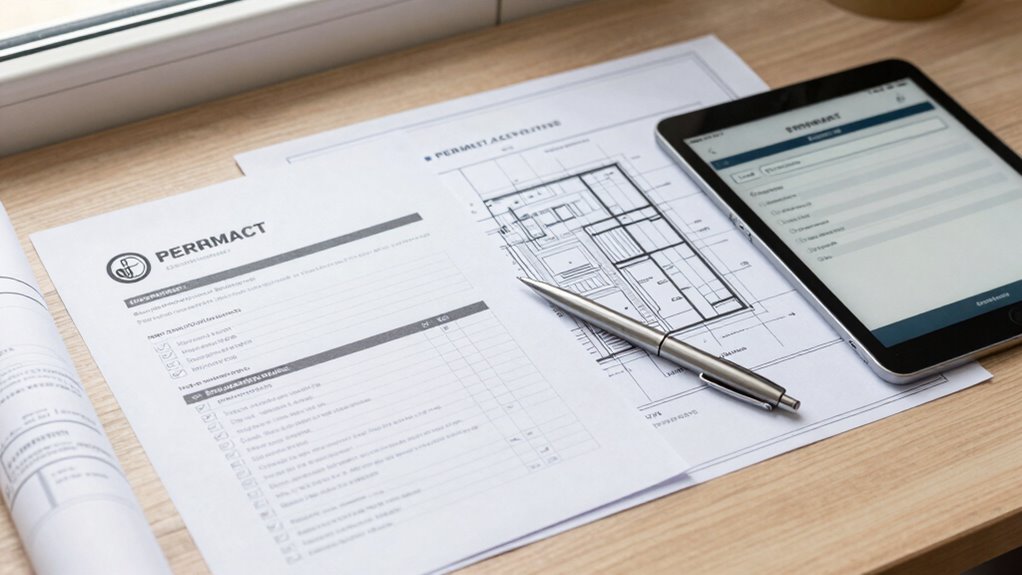
To make certain your permit application goes smoothly, you need to gather all the necessary documents and information beforehand. Familiarize yourself with permit regulations in your area, as requirements can vary. Prepare detailed project plans, site maps, and proof of property ownership or authorization. Some jurisdictions may require structural calculations or environmental impact assessments. Having these ready speeds up the review process and reduces delays. Additionally, check if you need to coordinate inspection scheduling early on, as some permits require multiple inspections at different stages. Organize your paperwork neatly to facilitate quick submission. Understanding permit regulations and planning for inspection scheduling ensures you’re prepared, minimizes mistakes, and keeps your project on track from the start.
Inspection Stages: What Inspectors Check for at Each Point
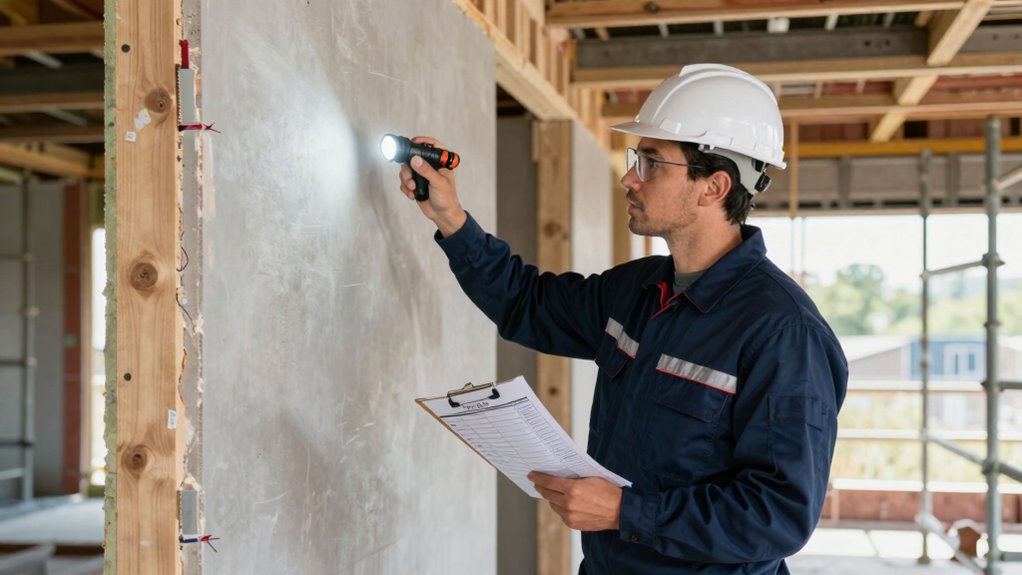
When your project reaches inspection points, inspectors will focus on specific areas to make certain everything meets code. You’ll see checks on the foundation and framing first, then move on to mechanical and electrical systems. Knowing what to expect at each stage helps you stay prepared and avoid delays. Additionally, inspectors may review ventilation considerations to ensure proper airflow and safety in your sauna and cold plunge setup. Being aware of everyday safety practices can also help prevent issues that might cause re-inspections or delays. Understanding building code compliance can further streamline the inspection process and help you address potential issues proactively. Moreover, understanding affiliate disclosures ensures transparency if you’re referencing third-party resources during your project planning. Being familiar with regulatory requirements also aids in ensuring your project remains on track and adheres to all necessary standards.
Foundation and Framing Checks
Have you ever wondered what inspectors look for during foundation and framing checks? They focus on ensuring the structure’s integrity and safety. Here’s what they typically review:
- Foundation safety: Inspectors verify that the foundation is properly poured, level, and free of cracks or water damage. They ensure it meets code requirements to support the entire structure. Using natural materials can sometimes influence inspection outcomes, so adherence to standards is crucial.
- Framing materials: They check that framing materials—like wood or steel—are correctly installed, sturdy, and conform to specifications. Proper nailing, bracing, and connection points are essential.
- Structural alignment: Inspectors confirm that walls, beams, and joists are aligned correctly, preventing future issues with stability and load distribution. This stage is vital for a solid build.
- Connected technology and inspection tools: Modern inspections often incorporate smart measurement devices that provide precise data, enhancing the accuracy and efficiency of the checks. These tools help detect subtle issues that might not be visible to the naked eye.
These checks prevent costly delays and ensure your project’s safety and durability.
Mechanical and Electrical Inspections
As construction progresses, mechanical and electrical inspections play a crucial role in guaranteeing systems are installed correctly and safely. During these inspections, the focus is on HVAC compliance, verifying that ductwork, ventilation, and heating systems meet code requirements. Inspectors check for proper insulation, airflow, and connections to prevent future issues. Ensuring proper heat distribution is vital for efficient system performance and safety. Proper system testing can help identify potential problems early, reducing the risk of costly rework later. For electrical wiring, they examine the wiring layout, ensuring connections are secure and compliant with safety standards. They also verify grounding and circuit integrity. These inspections help identify errors early, reducing costly rework later. Performing thorough checks during mechanical and electrical inspections ensures your project remains on schedule and meets all safety and code requirements. Incorporating inspection checklists can further streamline the process and ensure all critical points are covered. Additionally, understanding installation standards can help prepare your team for what inspectors will verify during each stage. Recognizing the importance of building codes can also improve compliance and facilitate smoother inspections.
Tips to Stay Compliant and Avoid Permit Delays
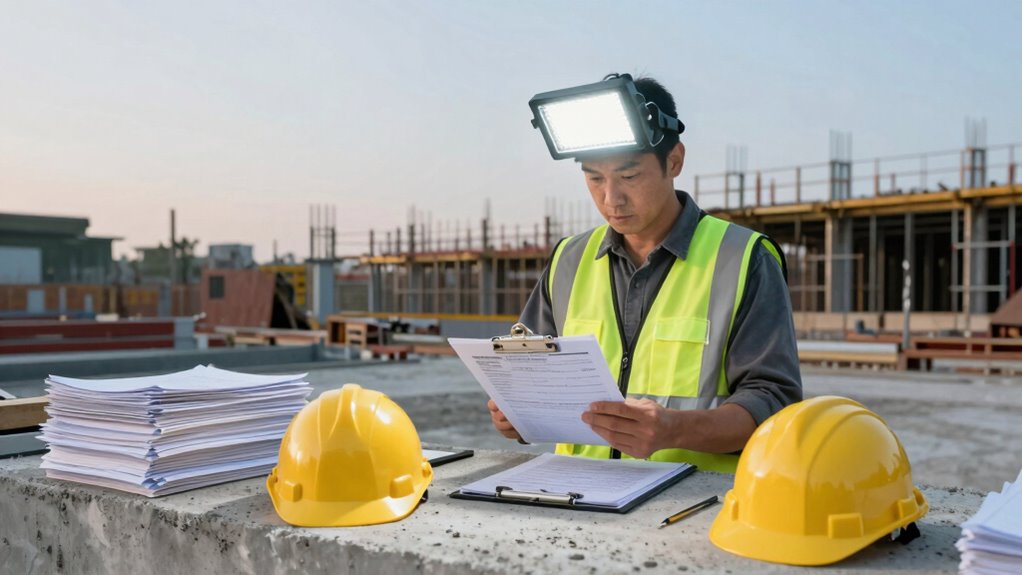
To stay compliant and avoid permit delays, you need to comprehend all permit requirements upfront. Keep accurate documentation of your plans and inspections to prevent issues later. Also, schedule inspections promptly to ensure your project stays on track and avoids unnecessary setbacks. Understanding safe installation practices can further help you prevent issues during the permitting process, especially when adhering to building codes and standards. Additionally, staying informed about permit application procedures can streamline your approval process and minimize delays. Familiarizing yourself with vetted Witbeck Vacuums can also assist in maintaining a clean work environment, which is essential for inspections and compliance. Moreover, understanding bank SWIFT/BIC codes can be crucial if your project involves international transactions or funding.
Understand Permit Requirements
Wondering how to navigate permit requirements smoothly? Start by understanding the permit procedures specific to your project and location. This guarantees you remain compliant with local regulations and avoid costly delays. To stay on track:
- Research local building codes and permit types needed for your project.
- Review the application process thoroughly, including required documents.
- Confirm deadlines and renewal periods to maintain regulatory compliance throughout construction.
Maintain Accurate Documentation
Maintaining accurate documentation is essential for staying compliant and preventing permit delays. Effective documentation management guarantees all necessary records are organized and accessible when needed. Keep detailed records of permits, inspection notices, approvals, and correspondence with authorities. Proper record keeping helps you track project progress and verify compliance with regulations. Regularly update your files to reflect any changes or new approvals. This disciplined approach minimizes errors and reduces the risk of missing critical deadlines. Digital record keeping can streamline access and backup important documents. Consistent record updates ensure that all information remains current and reliable, further supporting your compliance efforts. By staying meticulous with your documentation, you’ll avoid delays caused by incomplete or misplaced records, ensuring your project stays on schedule and meets all permit requirements efficiently.
Schedule Inspections Promptly
Scheduling inspections promptly is essential for keeping your project on track and avoiding costly delays. Delaying inspection scheduling can lead to permit renewals lapsing or work halting unexpectedly. To stay compliant:
- Keep a detailed calendar of your inspection deadlines and set reminders.
- Contact the inspection office early to book your appointments, especially before permit renewals expire.
- Monitor your inspection results and reschedule immediately if issues arise, ensuring continuous progress.
What to Do When Inspections Fail and How to Fix It
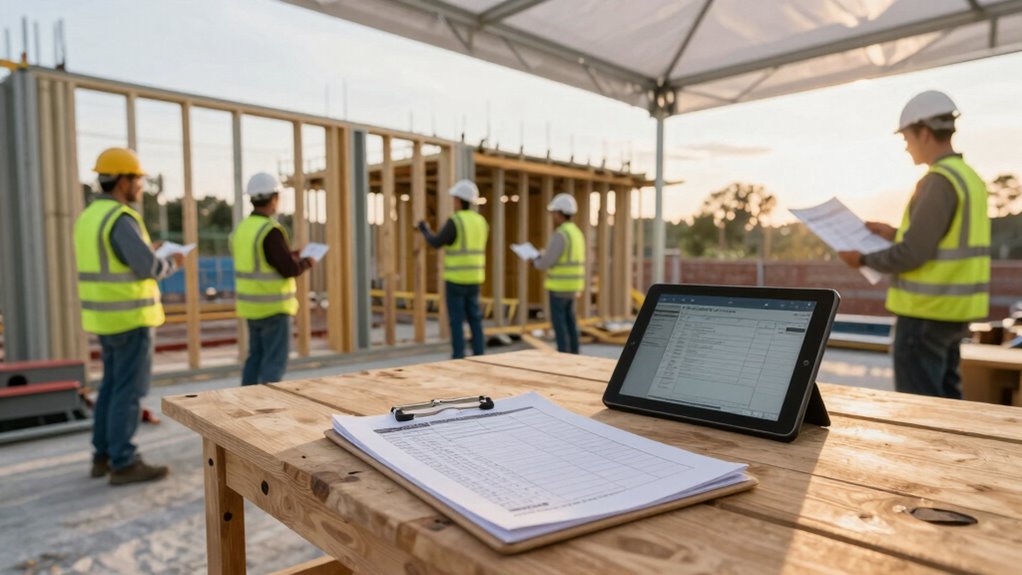
When an inspection doesn’t pass, it’s essential to act quickly and systematically to address the issues. Review the inspector’s comments carefully to understand exactly what failed and why. Develop clear repair procedures to correct the deficiencies efficiently, prioritizing the most critical issues first. Once repairs are complete, implement reinspection strategies to ensure all corrections meet code standards. Keep detailed documentation of the work performed, including dates, materials used, and any adjustments made. Communicate promptly with the inspector if questions arise or if additional clarification is needed. By following a structured approach, you can resolve issues swiftly, minimize delays, and be well-prepared for the next inspection. This proactive method helps keep your project on track and compliant.
How to Create a Permits and Inspections Checklist for Your Project
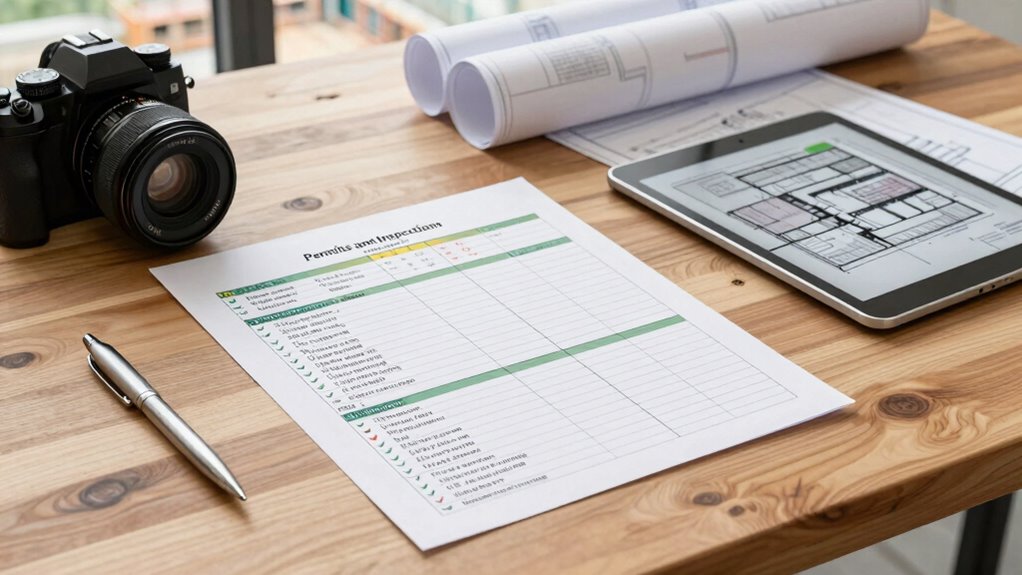
Creating a thorough permits and inspections checklist is essential to keep your project on track and guarantee compliance with all regulatory requirements. To do this effectively, start by identifying all required permits and deadlines specific to your project scope. Next, organize inspection schedules to confirm site safety and prevent delays. Finally, incorporate budget management by tracking costs related to permits and inspections to avoid overspending.
Your checklist should include:
- Listing all necessary permits and their approval deadlines.
- Scheduling inspections aligned with project milestones.
- Monitoring expenses associated with permits and site safety measures.
This organized approach helps streamline the approval process, maintains site safety standards, and keeps your project within budget, minimizing unexpected delays.
Final Tips to Keep Your Construction Project on Schedule
To keep your construction project on schedule, focus on proactive communication and regular progress tracking. Address permitting pitfalls early by double-checking all documentation and avoiding delays caused by missing or incorrect permits. Stay vigilant during inspections to prevent missteps that could halt work. Maintain open lines with inspectors and promptly address any concerns. Use this table to guide your efforts:
| Strategy | Benefit |
|---|---|
| Regular progress updates | Detect issues early, prevent delays |
| Clear communication with inspectors | Avoid inspection missteps, ensure compliance |
| Pre-emptive permit reviews | Reduce permitting pitfalls, keep work flowing |
Frequently Asked Questions
How Do Permit Fees Vary by Project Size and Location?
Permit costs change based on your project’s scale and location. Larger projects typically have higher permit fees because they require more extensive reviews and inspections. In different areas, fees can vary markedly due to local regulations, zoning laws, and administrative costs. You should research your specific city or county’s fee schedule, as understanding these variations helps you budget accurately and avoid surprises during your project planning.
Can Permits Be Transferred Between Contractors or Owners?
You might think permits are transferable between contractors or owners, but generally, they aren’t. When a permit transfer or contractor change occurs, you usually need to notify your local authority and request a permit transfer. This process can vary by location and project type, so it’s essential to check with your permitting office. Failing to do so could cause delays or even invalidate your permit, impacting your project’s timeline.
What Are Common Reasons for Permit Application Rejection?
You might face permit denial due to application errors like incomplete forms, incorrect information, or missing documents. These mistakes can delay approval and hold up your project. Make certain you double-check all details and follow submission guidelines carefully. Common reasons for rejection also include non-compliance with local codes or zoning laws. Addressing these issues proactively helps prevent permit denial and keeps your project on schedule.
How Long Do Inspections Typically Take Once Scheduled?
Once scheduled, inspections typically take between 30 minutes to a few hours, depending on the scope of work. Your inspection duration can vary based on factors like project complexity and inspector workload. Scheduling timelines usually allow for some flexibility, with appointments often set within a few days to a week. To guarantee smooth progress, it’s best to confirm your inspection appointment and prepare all necessary documentation beforehand.
Are There Penalties for Working Without Permits?
Skipping permits is like playing with fire—you risk hefty penalties for permit violations and legal consequences. If you work without the proper permits, authorities can halt your project, fine you, or even force you to undo work already done. These penalties serve as a wake-up call, ensuring you’re compliant and avoiding costly setbacks. Always secure the necessary permits to stay on the right side of the law and keep your build on track.
Conclusion
Staying on top of permits and inspections is key to avoiding delays and ensuring safety. Think of it like a well-maintained machine—each part must work smoothly for the whole to run efficiently. Some say if you skip inspections, you’ll save time, but history shows delays often come from overlooked compliance issues. So, stay proactive, follow the checklist, and trust that thorough preparation keeps your project moving seamlessly.